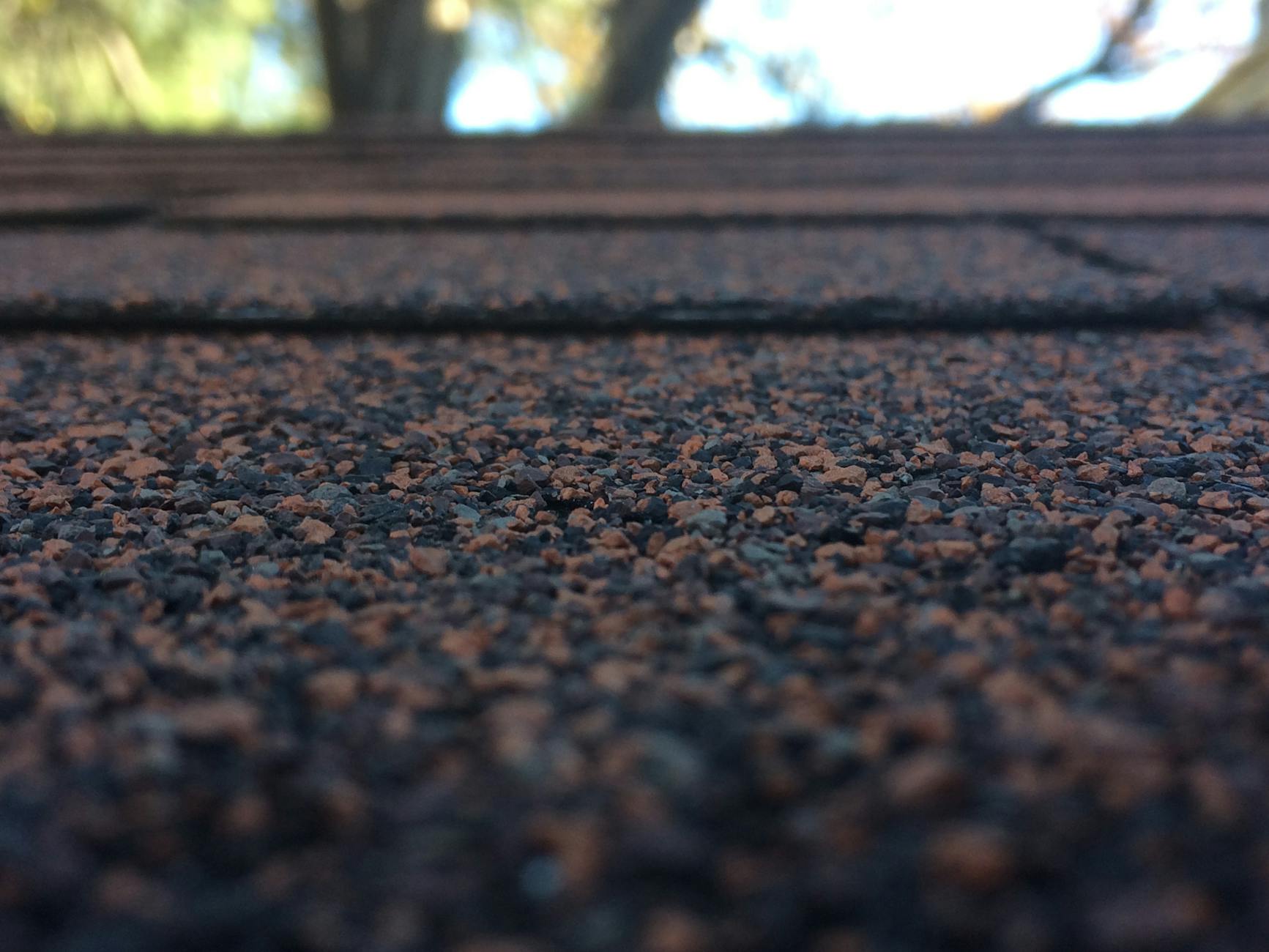
Impact resistant roof discount is one of the most valuable savings homeowners can unlock on their insurance premiums. This discount rewards property owners who install roofing materials rated to withstand hail and severe weather. Insurers offer it because impact-resistant roofs generate fewer claims after storms. Typical savings range from 5% to 35% off your annual homeowners premium.
In dollar terms, that translates to roughly $100 to $700 or more per year. The discount is especially generous in hail-prone states like Texas, Colorado, and Oklahoma. However, availability and amounts vary significantly by insurer and location. Understanding how this discount works can help you make a roofing investment that pays for itself over time.
How the Impact Resistant Roof Discount Works
Insurance companies base this discount on standardized impact ratings. The two main testing standards are UL 2218 and FM 4473. UL 2218 applies to flexible materials like asphalt shingles. FM 4473 covers rigid materials like metal panels, slate, and tile. Both standards rate roofing from Class 1 through Class 4. Class 4 is the highest rating and earns the largest impact resistant roof discount.
In the UL 2218 test, steel balls are dropped onto shingle samples from specific heights. A Class 4 shingle must survive a 2-inch steel ball dropped from 20 feet. The back of the shingle cannot show any cracking, tearing, or splitting. Most Class 4 asphalt shingles use SBS (styrene-butadiene-styrene) modified asphalt. This synthetic rubber polymer absorbs impact energy without fracturing. For example, popular qualifying products include GAF Timberline ArmorShield II, Owens Corning Duration STORM, CertainTeed NorthGate, and Malarkey Legacy shingles.
To qualify for the impact resistant roof discount, your entire roof must be covered with rated materials. Partial installations typically do not qualify. In most cases, insurers require documentation proving the Class 4 rating. Your roofing contractor should provide a certificate of completion listing the exact product installed. Some insurers also send an inspector to verify the installation before applying the discount.
How Much Can You Save with an Impact Resistant Roof Discount?
Savings vary dramatically based on where you live and which insurer you use. In hail-prone regions, the impact resistant roof discount can cut your premium by 20% to 35%. In lower-risk areas, expect savings closer to 5% to 10%. Texas was the first state to require insurers to offer this discount. The Texas Department of Insurance mandates that all homeowners insurers in the state provide credits for impact-resistant roofing. As a result, Texas homeowners with Class 4 roofs in high-hail zones can save up to 35%.
Colorado homeowners typically save 10% to 25% with a Class 4 roof. Oklahoma residents can save 5% to 20% through standard impact resistant roof discount programs. However, Oklahoma homeowners who pursue an IBHS FORTIFIED Home designation can save up to 42% on the wind and hail portion of their premium. Kansas and Nebraska offer similar ranges of 5% to 20%.
| Insurance Company | Discount Range | Key Details |
|---|---|---|
| State Farm | 10–35% | Class 3 earns ~10%; Class 4 up to 35% in high-hail zones |
| Allstate | 5–30% | Up to 30% for Class 4 in hail-prone states |
| Travelers | 20–25% | Requires Class 4 shingles and certified contractor verification |
| Farmers | 20–25% | Class 4 required; inspection may be needed |
| Nationwide | 20–25% | Discount depends on material type and roof age |
| USAA | 5–15% | Requires cosmetic damage exclusion waiver |
| Progressive | Varies by state | Roof upgrade discount programs available |
| Liberty Mutual | Varies by state | Roof-related discounts confirmed but not publicly specified |
Which Insurance Companies Offer This Discount?
State Farm offers one of the most generous impact resistant roof discount programs in the industry. They maintain a published list of qualifying roofing products by state. Their discounts scale based on both the impact class rating and your region’s hail frequency. Allstate also provides substantial savings, particularly in Texas and Colorado. Typically, Allstate applies the discount automatically once they verify your roof’s rating.
Travelers and Farmers both offer strong discounts in the 20% to 25% range for Class 4 roofs. Nationwide provides similar savings but factors in your roof’s age alongside its impact rating. USAA offers the impact resistant roof discount with an important caveat. They require policyholders to accept a cosmetic damage exclusion. This means you waive the right to file claims for cosmetic hail damage like dents and scuffs. In most cases, this tradeoff still makes financial sense for homeowners with Class 4 roofs.
Progressive and Liberty Mutual both confirm offering roof-related discounts. However, their specific percentages are not publicly listed and vary by state. For example, your best approach is to request a quote with and without the discount to see your exact savings. Contact your insurer directly and ask specifically about their impact resistant roof discount program.
How to Apply for the Impact Resistant Roof Discount
Start by confirming your roof qualifies. Check if your shingles carry a UL 2218 Class 4 or FM 4473 Class 4 rating. Your roofing contractor can provide this information. You can also look up qualifying products on the Texas Department of Insurance website, which maintains one of the most comprehensive lists available. Metal roofs, slate, and stone-coated steel panels often qualify by default under FM 4473.
Next, gather your documentation. You will need the contractor’s certificate of completion showing the product name and class rating. Keep your purchase receipt and any warranty paperwork. Some insurers also accept the manufacturer’s product specification sheet. Typically, Class 4 shingles cost 10% to 30% more than standard architectural shingles. However, the annual impact resistant roof discount can offset this cost within a few years.
🏠 Get Free Home Insurance Guides
Free · No spam · Unsubscribe anytime
Call your insurance company or agent and request the discount. Provide your documentation and ask if an inspection is required. Some insurers apply the impact resistant roof discount immediately upon receiving proof. Others send an adjuster to verify the installation first. As a result, the timeline can range from a few days to several weeks. Once approved, the discount appears on your next renewal. Make sure to confirm it shows up on your declarations page. If you switch insurers later, bring your documentation to the new company to claim the discount again.
Frequently Asked Questions
Does a Class 3 roof qualify for an impact resistant roof discount?
Some insurers do offer a smaller discount for Class 3 roofs. For example, State Farm provides roughly 10% for Class 3 compared to up to 35% for Class 4. However, most companies reserve their best discounts for Class 4 rated materials only.
How long does an impact resistant roof discount last?
The discount typically lasts for the life of the qualifying roof. In most cases, insurers continue applying it as long as the rated materials remain in place. However, some companies may require reverification after a major hail event or when your roof reaches a certain age.
Is the impact resistant roof discount available in every state?
Not all states mandate this discount. Texas requires all insurers to offer it by law. Colorado also has strong legislative support for hail mitigation credits. However, in lower-risk states, the discount may be smaller or offered only by select carriers. Check with your insurer to confirm availability in your area.
Compare Home Insurance Rates
Ready to see if you could be paying less for homeowners insurance? Compare quotes from top insurers in your area. Getting multiple quotes is the most effective way to find a better rate.
(paid link)
Official Sources & Resources
For verified information on home insurance regulations and consumer protection:
- NAIC (National Association of Insurance Commissioners): naic.org
- Insurance Information Institute: iii.org
- FEMA (Federal Emergency Management Agency): fema.gov
- FloodSmart (National Flood Insurance Program): floodsmart.gov
- USA.gov — Housing: usa.gov/housing
Content last reviewed April 2026. If you notice any outdated information, please contact us.