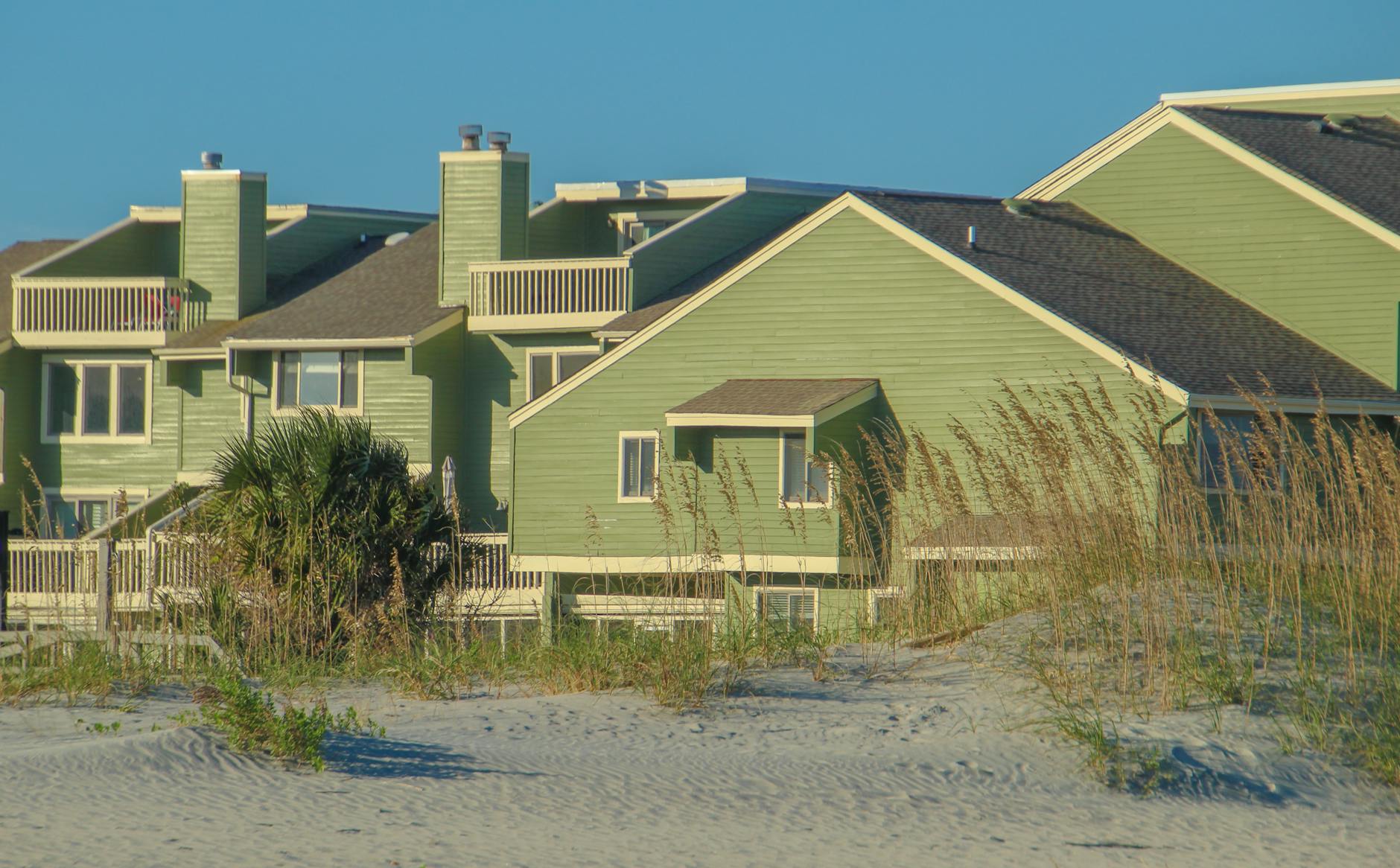
Coastal property insurance protects homeowners against wind, flood, and erosion damage near the shoreline. Over 7.2 million single-family homes along the Atlantic and Gulf coasts face hurricane storm surge risk. Their combined reconstruction value exceeds $1.8 trillion. Standard homeowners policies leave dangerous gaps in coverage for these properties. Flood damage is always excluded. Wind coverage may be limited or unavailable in high-risk zones. Erosion is not covered at all. As a result, coastal homeowners often need three or more separate policies to fully protect their investment. Understanding what each policy covers is the first step toward closing those gaps.
Understanding the Risk: Coastal Property Insurance
Hurricane insured losses from 2020 through 2024 totaled roughly $150 to $190 billion. Hurricane Ian alone caused an estimated $50 to $65 billion in insured losses in 2022. Hurricane Milton added another $25 to $50 billion in 2024. These figures only reflect insured losses. Uninsured losses typically add 40 to 60 percent more. The frequency and severity of coastal storms continue to increase.
Coastal property insurance costs vary dramatically by state. Florida carries the largest exposure at approximately $3.6 trillion in insured coastal value. Texas follows at roughly $1.1 trillion. New York and New Jersey combine for about $1.3 trillion. Louisiana, South Carolina, and North Carolina round out the highest-risk tier. According to the Insurance Information Institute, coastal properties typically pay two to five times more than comparable inland homes.
Erosion compounds the risk significantly. Approximately 40 percent of the U.S. coastline is actively eroding, according to USGS data. Louisiana loses 25 to 35 square miles of land per year. The Outer Banks of North Carolina erode at rates exceeding 10 feet annually in some areas. However, neither standard homeowners insurance nor NFIP flood insurance covers erosion damage. By 2045, an estimated 300,000 coastal homes worth $120 billion face chronic flooding from erosion and sea level rise.
What Standard Homeowners Insurance Covers (and Doesn’t)
A standard HO-3 homeowners policy covers wind damage in most states. However, many insurers exclude wind coverage entirely in coastal zones. In states like Texas, North Carolina, South Carolina, and Mississippi, homeowners must purchase separate windstorm policies through state-run wind pools. Even where wind is included, hurricane deductibles are percentage-based. A 5 percent deductible on a $400,000 home means the homeowner pays the first $20,000 out of pocket.
Flood damage is never covered under standard homeowners insurance. This includes storm surge, which causes some of the worst hurricane damage. The National Flood Insurance Program provides separate flood policies. However, NFIP coverage is capped at $250,000 for dwelling and $100,000 for contents. For example, homeowners with properties worth more than $250,000 need excess flood coverage from a private insurer to close the gap.
Coastal property insurance must also account for what no policy covers. Erosion, land loss, and gradual earth movement are excluded from virtually every insurance product. Mold damage resulting from flooding often has strict sublimits. In most cases, sewer backup requires a separate endorsement. These exclusions leave coastal homeowners carrying significant uninsured risk.
Additional Coverage Options for Coastal Property Insurance
Closing coverage gaps requires layering multiple policies. The NFIP remains the primary source for flood insurance, with approximately 4.7 million policies in force nationwide. Under FEMA’s Risk Rating 2.0 system, premiums now range from $400 to over $12,000 per year based on property-specific risk. Florida accounts for roughly 1.7 million NFIP policies. Since 1968, the NFIP has paid out over $96 billion in claims. The average claim payout is approximately $52,000.
State residual market programs provide coastal property insurance where private insurers have withdrawn. Each program has different coverage limits and structures.
| Program | State | Coverage Type | Policies in Force | Max Dwelling Coverage |
|---|---|---|---|---|
| Citizens Property Insurance | Florida | All perils | ~1.2 million | Varies by county |
| TWIA | Texas | Wind/hail only | ~200,000 | $2.14 million |
| Louisiana Citizens | Louisiana | All perils | ~100,000 | Varies |
| NC Beach Plan | North Carolina | Wind/hail only | ~70,000 | $1.05 million |
| SC Wind & Hail Association | South Carolina | Wind/hail only | ~35,000 | $1.5 million |
| MS Wind Pool | Mississippi | Wind/hail only | ~35,000 | $500,000 |
Private flood insurance is growing as an alternative to the NFIP. Private carriers often offer higher coverage limits and broader terms. Typically, private flood policies can cover amounts exceeding the NFIP’s $250,000 dwelling cap. However, not all private flood policies are accepted by mortgage lenders. Homeowners should verify lender acceptance before switching from the NFIP.
How Much Does Coastal Property Insurance Cost?
Coastal property insurance premiums are among the highest in the nation. Florida leads with average annual premiums of $6,000 to $11,000 or more. Coastal tri-county areas like Miami-Dade, Broward, and Palm Beach can exceed $15,000 per year. Louisiana follows at $4,000 to $6,500 annually after post-hurricane rate increases of 20 to 60 percent. The national average for homeowners insurance sits around $2,300 to $2,500, according to NAIC data.
The total cost of coastal coverage adds up quickly. A homeowner in coastal Florida might pay $8,000 for wind and property coverage, $3,000 for NFIP flood insurance, and $1,500 for excess flood coverage. That totals $12,500 or more annually. In most cases, these costs are in addition to property taxes and mortgage payments. As a result, the total carrying cost of coastal property has risen sharply over the past five years.
Several factors affect coastal property insurance premiums. Distance to the coastline matters most. Construction type, roof age, and elevation also play major roles. FEMA flood zone designation directly impacts flood insurance pricing. Homes in V zones, which face wave action, pay far more than those in X zones. Hurricane deductible selection also affects premiums. Choosing a higher percentage deductible lowers annual costs but increases out-of-pocket exposure after a storm.
🏠 Get Free Home Insurance Guides
Free · No spam · Unsubscribe anytime
How to Reduce Your Risk and Lower Premiums
Mitigation is the most effective way to lower coastal property insurance costs. The IBHS FORTIFIED roof designation can reduce wind premiums by 25 to 55 percent. The upgrade costs approximately $1,000 to $3,000 above standard re-roofing. Alabama mandates insurer discounts for FORTIFIED homes. Mississippi, South Carolina, and Louisiana offer similar reductions. Installing impact-rated windows or hurricane shutters typically saves 15 to 35 percent on the wind portion of premiums.
State programs can offset mitigation costs. Florida’s My Safe Florida Home program provides free wind inspections. It offers grants of up to $10,000 for income-qualified homeowners. Louisiana’s Fortify Homes Program provides up to $10,000 for roof upgrades. South Carolina’s Safe Home Program offers grants up to $5,000 for hurricane retrofits. These programs make mitigation more accessible for coastal homeowners on tight budgets.
Beyond structural improvements, homeowners should review their policies annually. For example, shopping multiple carriers can reveal significant price differences. Bundling home and auto coverage often triggers additional discounts. Raising the standard deductible from $1,000 to $2,500 can lower premiums meaningfully. However, homeowners should never reduce coverage limits just to save money. Adequate coastal property insurance is essential protection against catastrophic financial loss.
Frequently Asked Questions
Does standard homeowners insurance cover flood damage from hurricanes?
No. Standard homeowners insurance never covers flood damage, including storm surge from hurricanes. You need a separate flood policy through the NFIP or a private flood insurer. In most cases, mortgage lenders in FEMA flood zones require this coverage.
Why is coastal property insurance so expensive in Florida?
Florida has the highest coastal exposure of any state at $3.6 trillion in insured value. Frequent hurricanes, litigation costs, and insurer withdrawals have driven premiums up sharply. As a result, many Florida homeowners now pay $6,000 to $15,000 per year for coverage.
What is a hurricane deductible and how does it work?
A hurricane deductible is a percentage of your dwelling coverage, typically 2 to 5 percent. For example, a 3 percent deductible on a $500,000 home means you pay the first $15,000 of hurricane damage. However, choosing a higher deductible can significantly lower your annual coastal property insurance premium.
Compare Home Insurance Rates
Ready to see if you could be paying less for homeowners insurance? Compare quotes from top insurers in your area. Getting multiple quotes is the most effective way to find a better rate.
(paid link)
Official Sources & Resources
For verified information on home insurance regulations and consumer protection:
- NAIC (National Association of Insurance Commissioners): naic.org
- Insurance Information Institute: iii.org
- FEMA (Federal Emergency Management Agency): fema.gov
- FloodSmart (National Flood Insurance Program): floodsmart.gov
- USA.gov — Housing: usa.gov/housing
Content last reviewed April 2026. If you notice any outdated information, please contact us.