High crime area home insurance is a growing concern for homeowners in neighborhoods with elevated theft, burglary, or vandalism rates. Insurance companies use your ZIP code’s crime data to calculate premiums. If your area reports frequent property crimes, you will likely pay more for coverage. According to the FBI’s 2024 crime report, property crime occurred at a rate of 1,760 incidents per 100,000 people nationwide.
The total value of stolen property reached nearly $23 billion that year. However, crime rates vary dramatically by location. New Mexico reported 500 burglaries per 100,000 residents. New Hampshire reported just 48. These local differences directly affect what you pay for home insurance. Standard policies may leave gaps that put your finances at risk.
Understanding the Risk: High Crime Area Home Insurance
High crime area home insurance costs more because insurers base rates on collective risk. When your neighbors file more theft and vandalism claims, everyone’s premiums rise. The Insurance Information Institute (III) confirms that your ZIP code is one of the top factors in premium calculation. Areas with frequent break-ins and property damage are flagged as high-risk zones.
The FBI reported a national burglary rate of 229 incidents per 100,000 residents in 2024. That represents a 69% decrease from 2005 levels. However, certain cities still experience rates far above the national average. For example, metro areas in New Mexico, Louisiana, and Arkansas consistently rank among the highest for property crime. In most cases, homeowners in these areas face premium surcharges of 10% to 25% above the state average.
Property crime also includes motor vehicle theft and larceny. The larceny rate in 2024 was 1,272 per 100,000 people. As a result, insurers in high-crime neighborhoods must account for a wider range of potential claims. This drives up the cost of high crime area home insurance even for homeowners who have never filed a claim.
What Standard Homeowners Insurance Covers (and Doesn’t)
A standard HO-3 homeowners policy covers theft and vandalism under personal property coverage. This typically pays to replace stolen belongings up to your policy limit. It also covers damage caused during a break-in. For example, a kicked-in door or broken window would be covered under dwelling protection. However, there are important limitations.
Most standard policies cap coverage for high-value items. Jewelry is typically limited to $1,500. Electronics, firearms, and collectibles also face sub-limits. If a burglar steals a $5,000 engagement ring, your standard policy may only pay $1,500. Additionally, standard policies do not cover identity theft or fraud that results from stolen personal documents.
Homeowners in high-crime areas also face higher deductibles. Some insurers impose crime-related surcharges or require larger out-of-pocket costs before coverage kicks in. In most cases, a $1,000 to $2,500 deductible applies to theft claims. This means smaller losses may not be worth filing, which still costs you money.
Additional Coverage Options for High Crime Area Home Insurance
Homeowners who need broader protection have several options. Scheduled personal property endorsements remove sub-limits on valuables. An umbrella policy adds liability protection. Identity theft coverage is available as a rider from most major carriers. For those unable to find private coverage, FAIR Plans exist in 34 states and Washington, D.C. These state-managed programs provide basic property insurance to high-risk homeowners denied by private insurers.
The table below compares key coverage options for high crime area home insurance:
| Coverage Type | What It Covers | Typical Cost | Best For |
|---|---|---|---|
| Standard HO-3 | Theft, vandalism, dwelling damage | $2,100–$3,500/year | Most homeowners |
| Scheduled Personal Property | Specific high-value items (no sub-limits) | $50–$300/year per item | Jewelry, art, electronics |
| Identity Theft Rider | Fraud recovery costs, legal fees | $25–$60/year | Document theft victims |
| FAIR Plan (state program) | Basic property and fire coverage | Varies by state | Homeowners denied private coverage |
| Home Security Discount | Premium reduction for alarm systems | Saves 5%–20% | All high-crime area residents |
To qualify for a FAIR Plan, you typically need proof of denial from at least two private insurers. However, FAIR Plans offer limited coverage compared to standard policies. They are designed as a last resort, not a replacement for comprehensive high crime area home insurance.
How Much Does High Crime Area Home Insurance Cost?
The national average homeowners insurance premium is approximately $2,580 per year for $300,000 in dwelling coverage. However, homeowners in high-crime ZIP codes often pay significantly more. According to Bankrate, location-based risk factors can increase premiums by 10% to 30%. That means high crime area home insurance could cost $2,840 to $3,350 annually for the same coverage level.
State-level variation is significant. Louisiana, Oklahoma, and Texas have the highest average premiums nationwide. These states combine high property crime rates with severe weather risk. As a result, homeowners face compounding cost pressures. In contrast, states like Vermont and New Hampshire have both low crime and low premiums. The NAIC reported that HO-3 premiums increased 11.26% nationally in a single year. High-crime areas saw even steeper increases.
Your claims history also matters. Filing a theft claim can raise your premium by 10% to 20% at renewal. Typically, claims stay on your record for three to five years. This creates a difficult cycle for homeowners in high-crime neighborhoods who need to use their coverage.
🏠 Get Free Home Insurance Guides
Free · No spam · Unsubscribe anytime
How to Reduce Your Risk and Lower Premiums
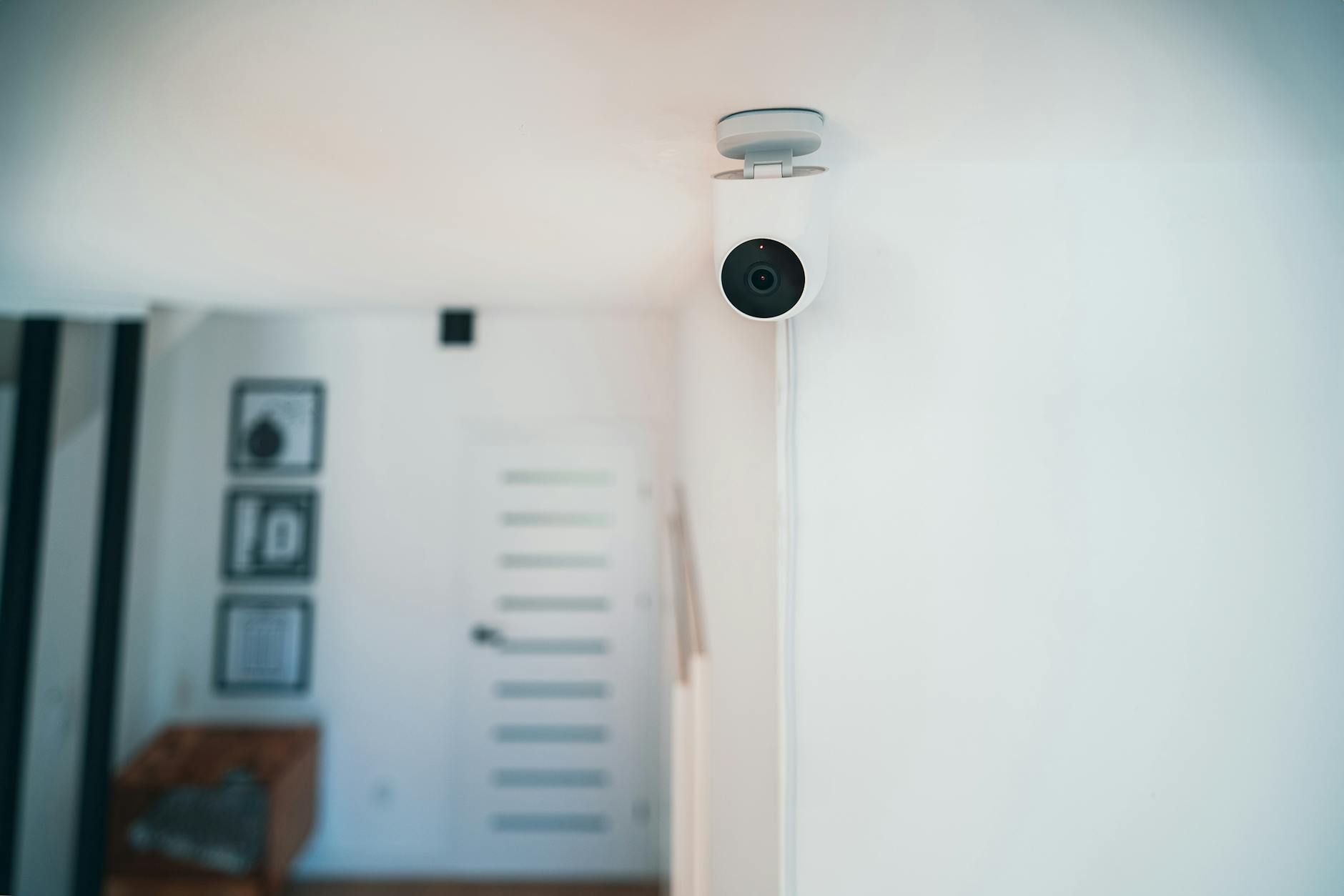
Installing a monitored security system is the single most effective step. According to Progressive, professionally monitored alarm systems can earn discounts of 5% to 20% on your premium. Major carriers including State Farm, Allstate, Nationwide, and USAA all offer security-related discounts. Smart home devices like video doorbells and motion-activated cameras may qualify for additional savings.
Physical home hardening also helps reduce high crime area home insurance costs. Deadbolt locks, reinforced door frames, and window security film deter break-ins. Exterior lighting with motion sensors reduces hiding spots. For example, the III recommends trimming bushes near windows and keeping entry points well-lit. These low-cost improvements signal to insurers that your home is a lower risk.
Bundling your home and auto policies typically saves 5% to 15%. Raising your deductible from $1,000 to $2,500 can lower your premium by 10% or more. However, make sure you can afford the higher out-of-pocket cost. Maintaining a claim-free record is equally important. In most cases, three to five years without a claim will earn you the best available rates on high crime area home insurance.
Frequently Asked Questions
Does living in a high-crime area automatically disqualify me from getting home insurance?
No, it does not automatically disqualify you. However, some private insurers may decline coverage in the highest-risk ZIP codes. In most cases, you can still obtain high crime area home insurance through your state’s FAIR Plan program. These plans exist in 34 states and Washington, D.C.
How much can a security system save on high crime area home insurance?
A professionally monitored alarm system typically saves 5% to 20% on your premium. For example, on a $3,000 annual policy, that equals $150 to $600 in yearly savings. The exact discount depends on your insurer and the type of system installed.
Will filing a theft claim raise my home insurance rates?
Yes, filing a theft claim can increase your premium by 10% to 20% at renewal. Typically, the surcharge remains on your record for three to five years. As a result, some homeowners in high-crime areas choose to pay for smaller losses out of pocket to protect their rates.
Compare Home Insurance Rates
Ready to see if you could be paying less for homeowners insurance? Compare quotes from top insurers in your area. Getting multiple quotes is the most effective way to find a better rate.
(paid link)
Official Sources & Resources
For verified information on home insurance regulations and consumer protection:
- NAIC (National Association of Insurance Commissioners): naic.org
- Insurance Information Institute: iii.org
- FEMA (Federal Emergency Management Agency): fema.gov
- FloodSmart (National Flood Insurance Program): floodsmart.gov
- USA.gov — Housing: usa.gov/housing
Content last reviewed April 2026. If you notice any outdated information, please contact us.