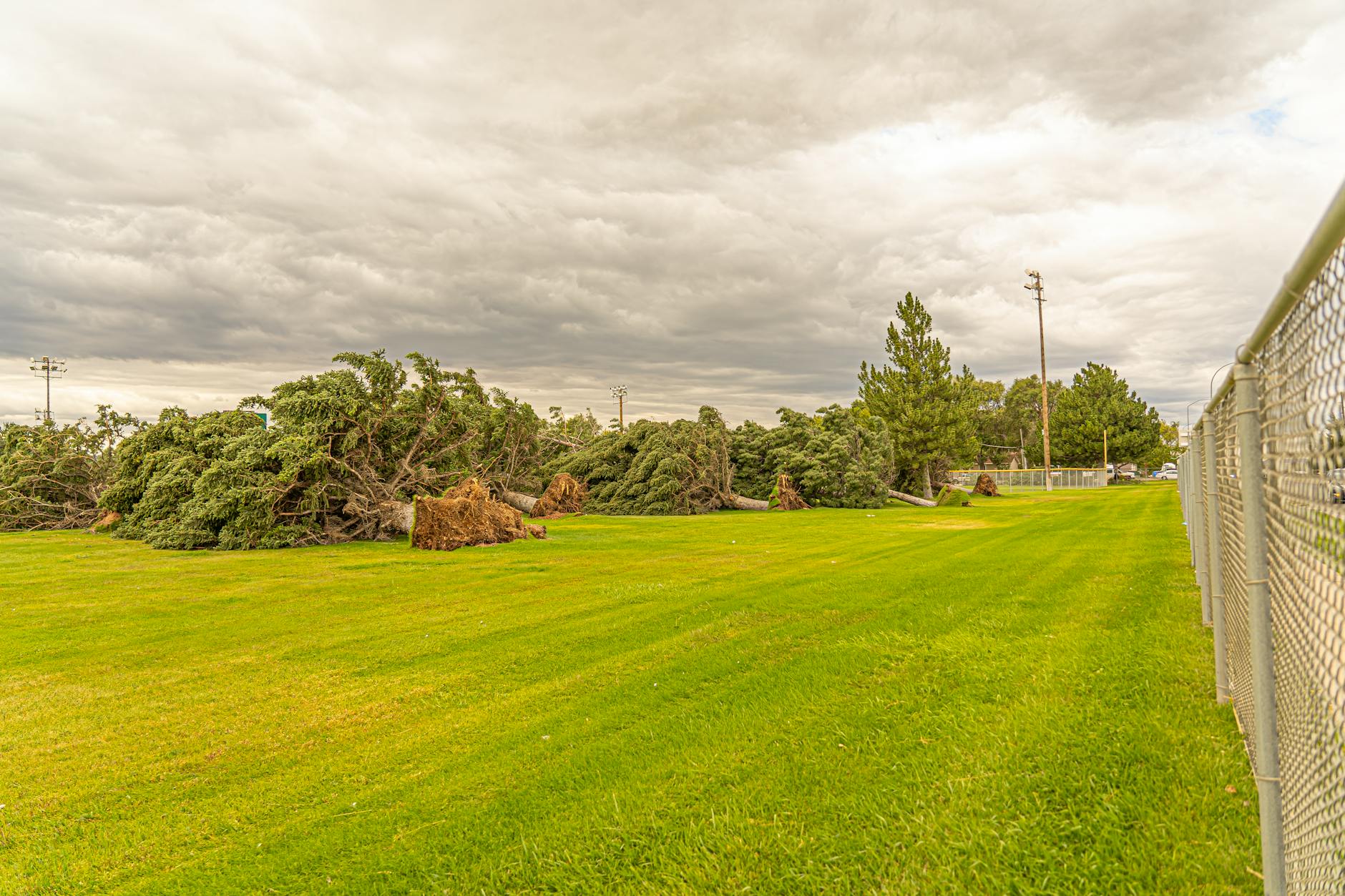
Ice storm home insurance is something every homeowner in cold-weather states should understand before the next freeze hits. Each year, ice storms cause billions in property damage across the United States. Winter Storm Uri in 2021 alone generated $18.6 billion in insured losses. Tree limbs snap under ice weight and crash into roofs.
Power lines go down, leaving homes without heat for days. Frozen pipes burst inside walls and flood entire floors. According to the University of Colorado, roughly 60% of American homeowners are underinsured. The average coverage gap exceeds 20% of replacement cost. Standard policies leave dangerous blind spots that many families discover only after filing a claim.
Understanding the Risk: Ice Storm Home Insurance
Ice storms are growing more destructive and more expensive. Average annual insured winter storm losses jumped from $2 billion per year (2011–2020) to over $7 billion per year (2021–2025), according to Swiss Re. Three of the costliest winter storms in U.S. history struck within just five years. Winter Storm Uri (2021) cost insurers $18.6 billion. Winter Storm Elliott (2022) added $5.4 billion. Winter Storm Fern in January 2026 caused an estimated $4 to $6.7 billion in insured losses.
The hardest-hit states form a belt across the southern and central U.S. Texas, Oklahoma, Arkansas, Tennessee, and Kentucky face the highest ice storm frequency. However, the Northeast is not immune. Eastern Pennsylvania, northwest New Jersey, and the Hudson Valley also rank high on FEMA’s National Risk Index for ice storms. The Appalachian regions of North Carolina and the Chesapeake Bay area are also vulnerable.
Frozen and burst pipes are the leading cause of ice storm insurance claims. State Farm reported over 20,000 frozen-pipe claims between January 2024 and mid-2025. Those claims totaled $628 million in paid losses. The average payout exceeded $30,000 per claim. As a result, ice storm home insurance coverage deserves careful review every year before winter arrives.
What Standard Homeowners Insurance Covers (and Doesn’t)
A standard HO-3 homeowners policy does cover many ice storm perils. Structural damage from the weight of ice, snow, or sleet is included. Water damage from burst pipes is typically covered if the homeowner maintained heat. Trees that fall on insured structures from wind or ice are covered too. In most cases, ice dam damage to your home’s interior also qualifies for a claim. Your policy also covers additional living expenses if you must leave your home.
However, there are critical gaps in ice storm home insurance under standard policies. Tree removal is capped at just $500 to $1,000 per tree in most policies. Professional removal of a large ice-damaged tree can cost $2,000 or more. If a tree falls in your yard but misses all structures, your insurer pays nothing. Flood damage from melting snow or ice seeping into your basement requires a separate NFIP flood policy. Ground heaving from freeze-thaw cycles is excluded entirely.
Power outage responsibility surprises many homeowners. You are only responsible for the service line between the utility pole and your house. Damage to utility-owned lines is not your problem. But if a prolonged outage causes your pipes to freeze, your claim could be denied. Insurers require you to maintain heat at 55°F or above. Turning off heat before traveling in winter can void your coverage. For example, a week-long vacation during a cold snap could leave you uninsured for burst-pipe damage.
Additional Coverage Options for Ice Storm Home Insurance
Several endorsements can close the gaps in your ice storm home insurance. Service line coverage protects underground utility connections between your home and the street. Typical limits range from $10,000 to $20,000. A sewer and drain backup endorsement covers interior water damage from backed-up drains. This is important when ice blocks exterior drainage. FAIR Plans exist in 33 states as insurers of last resort for homeowners who cannot get private coverage.
The table below compares key ice storm home insurance endorsements and their typical costs:
| Coverage Type | What It Covers | Typical Limit | Annual Cost |
|---|---|---|---|
| Service Line Coverage | Underground utility lines (water, electric, sewer) | $10,000–$20,000 | $30–$50 |
| Sewer/Drain Backup | Interior damage from backed-up drains | $5,000–$25,000 | $50–$250 |
| Increased Tree Removal | Higher per-tree removal limits | $2,500–$5,000 per tree | $20–$40 |
| Equipment Breakdown | Furnace, generator, HVAC failure from power surge | $50,000–$100,000 | $25–$75 |
| NFIP Flood Insurance | Snowmelt flooding, ground-level water intrusion | Up to $250,000 | $700–$1,500+ |
Typically, bundling these endorsements costs less than $200 per year combined. That is a fraction of the average $30,000 frozen-pipe claim. Homeowners in Texas, Oklahoma, Tennessee, and the Carolinas should pay special attention. These states saw the highest ice storm home insurance claims during recent storms. Contact your agent each fall to review your winter coverage.
How Much Does Ice Storm Home Insurance Cost?
Premiums vary widely by state and risk level. Texas homeowners pay an average of $3,291 per year for homeowners insurance. Oklahoma averages roughly $7,680 annually. Michigan saw a 36% premium increase over two years, driven partly by severe winter weather. These ice-storm-prone states consistently rank above the national average for homeowners premiums.
Deductible structure matters just as much as premium cost. Most policies use a flat dollar deductible of $500 to $2,500 for ice storm claims. However, 19 states allow or require separate wind and hail deductibles. These are often percentage-based at 1% to 5% of insured value. For example, a $300,000 home with a 2% wind deductible means $6,000 out of pocket before coverage kicks in. Review your deductible type carefully when evaluating ice storm home insurance costs.
The long-term trend is clear. As a result of escalating winter storm losses, insurers are raising rates and tightening underwriting. In Texas alone, Winter Storm Uri generated 510,772 insurance claims totaling $11.2 billion. That single event reshaped pricing across the state. Shopping annually and comparing quotes from at least three carriers is essential for managing your ice storm home insurance costs.
🏠 Get Free Home Insurance Guides
Free · No spam · Unsubscribe anytime
How to Reduce Your Risk and Lower Premiums
Proactive tree maintenance is your first line of defense. Remove dead or damaged limbs that overhang your roof and power lines. Neglecting hazardous trees can result in claim denial. A new impact-resistant roof can earn a 5% to 35% premium discount depending on your insurer. State Farm offers up to 35% off in some states for qualifying roofing materials. These upgrades protect your home and your ice storm home insurance rates simultaneously.
Installing a standby generator is one of the smartest investments for ice-prone areas. Amica offers a 4% to 10% discount on the property portion of your policy for automatic generators. More importantly, generators prevent the most common ice storm claim: frozen pipes during extended power outages. Keep your thermostat at 55°F or above, even when traveling. Insulate exposed pipes in attics, crawl spaces, and exterior walls.
Additional mitigation steps include installing water leak detection devices and maintaining proper attic ventilation to prevent ice dams. Typically, combining a new roof, generator, and leak detection system can reduce your premium by 15% to 25%. Document all improvements with photos and receipts. Share them with your insurer to ensure every available ice storm home insurance discount is applied to your policy.
Frequently Asked Questions
Does homeowners insurance cover tree removal after an ice storm?
In most cases, yes, but only if the tree damages an insured structure. Standard policies limit tree removal to $500–$1,000 per tree. However, if a tree falls in your yard without hitting anything, your insurer typically will not pay for removal.
Will my ice storm home insurance cover frozen pipe damage if I was on vacation?
It depends on whether you maintained heat in your home. Most policies require a minimum thermostat setting of 55°F. For example, if you shut off the heat before leaving and pipes burst, your insurer can deny the claim for negligence.
Do I need separate flood insurance for ice storm water damage?
Typically, yes, if the water enters from ground level. Standard homeowners insurance covers water from burst pipes and ice dams above. However, snowmelt or ice runoff that seeps in through the foundation is classified as flooding. You would need a separate NFIP flood policy for that type of ice storm home insurance coverage.
Compare Home Insurance Rates
Ready to see if you could be paying less for homeowners insurance? Compare quotes from top insurers in your area. Getting multiple quotes is the most effective way to find a better rate.
(paid link)
Official Sources & Resources
For verified information on home insurance regulations and consumer protection:
- NAIC (National Association of Insurance Commissioners): naic.org
- Insurance Information Institute: iii.org
- FEMA (Federal Emergency Management Agency): fema.gov
- FloodSmart (National Flood Insurance Program): floodsmart.gov
- USA.gov — Housing: usa.gov/housing
Content last reviewed April 2026. If you notice any outdated information, please contact us.