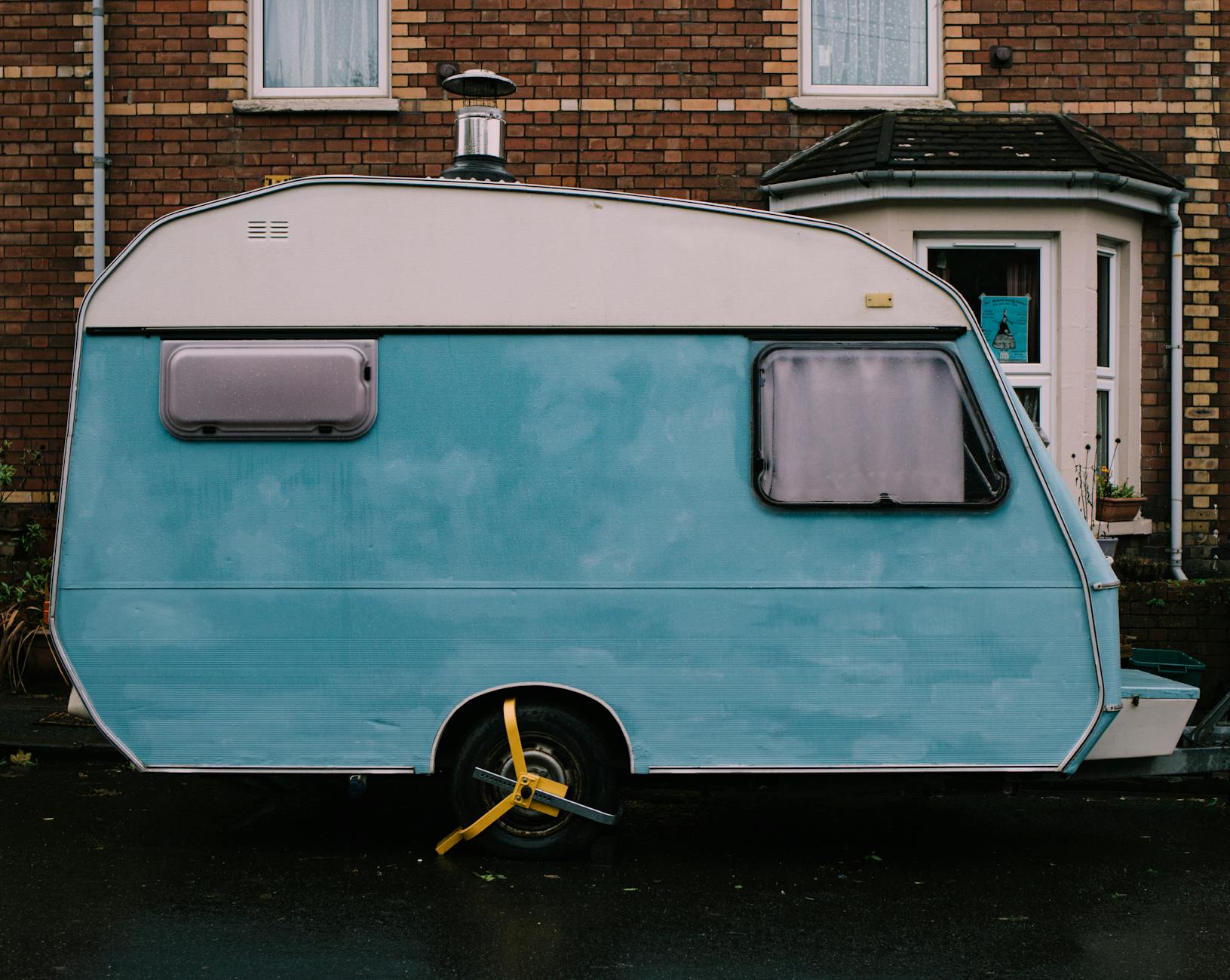
Mobile home insurance is a specialized policy designed to protect manufactured and mobile homes from damage, theft, and liability claims. Unlike standard homeowners insurance built for site-constructed houses, mobile home insurance accounts for the unique risks these structures face. Mobile homes are more vulnerable to wind, hail, and storm damage due to their lighter construction.
They also face transport risks that traditional homes never encounter. In most cases, lenders require this coverage if you finance your mobile home. Even without a loan, carrying proper insurance protects your investment and personal belongings. Understanding your coverage options helps you make smarter decisions and avoid costly gaps when disaster strikes.
What Is Mobile Home Insurance?
Mobile home insurance is formally known as an HO-7 policy. It mirrors the structure of a standard HO-3 homeowners policy but is tailored for manufactured housing. However, there is one critical difference. An HO-3 policy covers your dwelling under “open perils,” meaning everything is covered unless specifically excluded. An HO-7 policy typically uses “named perils” coverage for the dwelling. This means it only protects against risks explicitly listed in the policy.
Named perils in a typical mobile home insurance policy include fire, lightning, windstorm, hail, explosion, theft, and vandalism. Some insurers offer broader coverage options for an additional premium. For example, Foremost Insurance, the largest mobile home insurer in the country, offers both basic and comprehensive HO-7 plans.
The National Association of Insurance Commissioners (NAIC) classifies mobile home insurance separately from standard homeowners policies. This distinction matters when shopping for coverage. Always confirm you are getting an HO-7 policy, not a standard HO-3 that may not properly cover a manufactured structure.
What Does Mobile Home Insurance Cover?
A standard mobile home insurance policy includes four core coverage areas. Dwelling coverage pays to repair or rebuild your home after a covered event. Personal property coverage protects your belongings inside the home. Liability coverage handles legal and medical costs if someone is injured on your property. Additional living expenses cover temporary housing if your home becomes uninhabitable.
Personal property limits typically range from 50% to 70% of your dwelling coverage amount. Liability coverage usually starts at $100,000. Other structures on your lot, such as detached garages or sheds, are generally covered at 10% of your dwelling limit.
| Coverage Area | HO-7 (Mobile Home) | HO-3 (Standard Home) |
|---|---|---|
| Dwelling coverage | Named perils | Open perils |
| Personal property | Named perils | Named perils |
| Liability | Yes — $100K+ standard | Yes — $100K+ standard |
| Additional living expenses | Yes | Yes |
| Other structures | Yes — 10% of dwelling | Yes — 10% of dwelling |
| Trip/transit coverage | Optional add-on | Not applicable |
| Flood coverage | Not included | Not included |
What Mobile Home Insurance Does NOT Cover
Mobile home insurance excludes several important risks. Flood damage is never covered under a standard HO-7 policy. You need a separate policy through the National Flood Insurance Program (NFIP) or a private flood insurer. Earthquake damage also requires a separate endorsement or standalone policy.
Damage during transport is another major exclusion. If you move your mobile home to a new location, you need a separate transit policy. As a result, many owners overlook this gap until it is too late. Normal wear and tear, rust, mold, and pest damage are also excluded. These are considered maintenance issues, not insurable events.
Foundation settling, cracking, and government actions like condemnation are not covered either. Typically, any damage caused by neglect or intentional acts will void your claim. Review your policy exclusions carefully before signing.
How Much Does Mobile Home Insurance Cost?
The average mobile home insurance cost ranges from $700 to $1,500 per year nationwide. This is lower than the average HO-3 premium of roughly $2,200 per year. However, mobile homes have lower replacement values. Per dollar of coverage, mobile home insurance often costs more due to higher risk factors.
Several factors unique to mobile homes affect your premium. Age matters significantly. Homes built before 1976 predate HUD safety standards and are harder to insure. Proper tie-downs and anchoring systems can lower your rate. Single-wide homes cost less to insure than double-wide models. Your location plays a huge role as well. Homes in Tornado Alley or Gulf Coast wind zones pay substantially higher premiums.
Skirting and enclosed foundations reduce risk and may qualify you for discounts. In most cases, homes in mobile home parks face different liability requirements than those on private land. Your claims history and the community’s overall claims record can also impact your rate.
🏠 Get Free Home Insurance Guides
Free · No spam · Unsubscribe anytime
How to Find the Best Mobile Home Insurance
Start by getting quotes from at least three insurers that specialize in manufactured housing. Foremost Insurance, a subsidiary of Farmers, is the largest mobile home insurer in the United States. American Modern Insurance also specializes in this market. USAA offers excellent mobile home insurance rates for military families.
When comparing policies, look beyond price. Check whether the policy offers named perils or comprehensive coverage. Ask about replacement cost versus actual cash value for your dwelling. Replacement cost pays to rebuild at current prices. Actual cash value deducts depreciation, which can leave you significantly underinsured.
For example, bundling your mobile home insurance with auto coverage often saves 5% to 15%. Ask about discounts for storm shutters, smoke detectors, and security systems. The Insurance Information Institute (III) recommends reviewing your policy annually to ensure your coverage keeps pace with your home’s value.
Frequently Asked Questions
Is mobile home insurance legally required?
No state law requires mobile home insurance. However, lenders will require it if you have a mortgage or chattel loan. In most cases, mobile home park owners also require proof of liability coverage before you can move in.
Does mobile home insurance cover tornado damage?
Yes. Wind and hail are named perils under a standard HO-7 policy. However, if your home is not properly anchored, your insurer may deny the claim. Typically, insurers require tie-downs that meet local building codes.
What is the difference between mobile home and manufactured home insurance?
They are the same product. “Manufactured home” is the official HUD term for homes built after June 15, 1976. As a result, insurers use both terms interchangeably. Your HO-7 mobile home insurance policy covers either type.
Compare Home Insurance Rates
Ready to see if you could be paying less for homeowners insurance? Compare quotes from top insurers in your area. Getting multiple quotes is the most effective way to find a better rate.
(paid link)
Official Sources & Resources
For verified information on home insurance regulations and consumer protection:
- NAIC (National Association of Insurance Commissioners): naic.org
- Insurance Information Institute: iii.org
- FEMA (Federal Emergency Management Agency): fema.gov
- FloodSmart (National Flood Insurance Program): floodsmart.gov
- USA.gov — Housing: usa.gov/housing
Content last reviewed April 2026. If you notice any outdated information, please contact us.