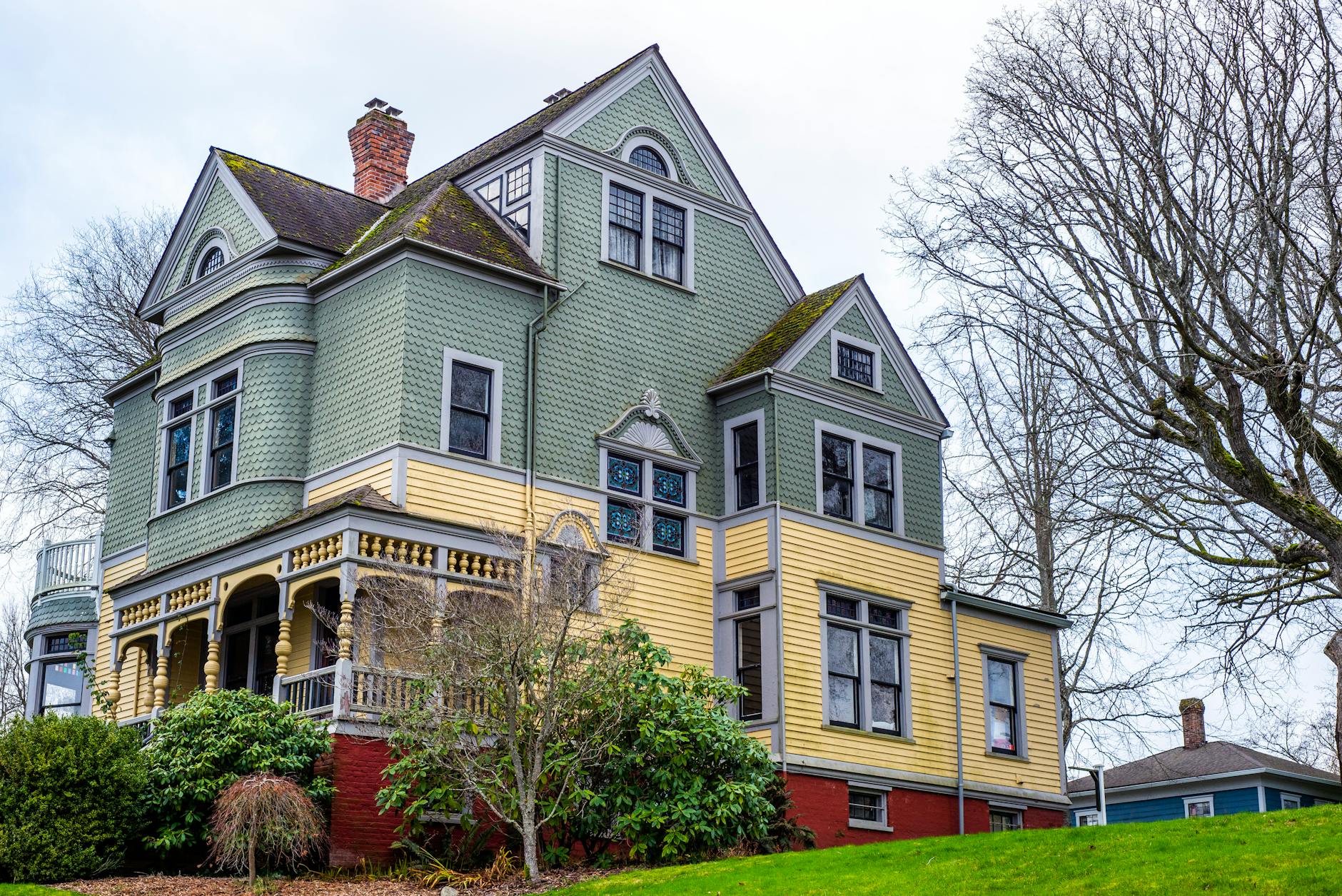
Historic home insurance is specialized coverage designed for older properties that standard policies cannot adequately protect. Homes built before 1940 often feature plaster walls, slate roofs, and ornate woodwork. These materials cost far more to replicate than modern equivalents. As a result, the gap between a home’s market value and its rebuild cost can be enormous.
A standard HO-3 policy bases coverage on replacement cost. However, rebuilding a Victorian-era home with period-appropriate craftsmanship may cost two or three times its sale price. That mismatch makes historic home insurance essential for owners of older properties. Without proper coverage, a major loss could leave you severely underinsured.
What Is Historic Home Insurance?
Historic home insurance typically comes in the form of an HO-8 policy. The National Association of Insurance Commissioners (NAIC) classifies HO-8 as the “modified” or “older home” form. It was created specifically for properties where replacement cost far exceeds market value. In most cases, this applies to homes 40 years or older with unique architectural features.
The HO-8 differs from a standard HO-3 in two critical ways. First, it covers only 10 named perils instead of offering open-peril protection. Second, it pays claims on an actual cash value or functional replacement cost basis. Functional replacement means your ornate plaster crown molding gets replaced with standard drywall. Your slate roof becomes asphalt shingles. The home is made livable again but may lose its historic character.
For high-value historic properties, some insurers offer upgraded policies. These provide guaranteed replacement cost that covers exact replication of original materials. However, these premium policies come at a significantly higher price.
What Does Historic Home Insurance Cover?
A standard HO-8 historic home insurance policy covers 10 named perils. These include fire, lightning, windstorm, hail, explosion, and smoke damage. It also covers vandalism, theft, riot, aircraft damage, vehicle damage, and volcanic eruption. For example, if a fire destroys your 1890s Queen Anne home, the policy pays to restore it.
However, the coverage is narrower than what most homeowners expect. Here is how historic home insurance compares with a standard HO-3 policy:
| Coverage Feature | HO-3 (Standard) | HO-8 (Historic/Older Home) |
|---|---|---|
| Dwelling coverage basis | Open peril | Named peril (10 perils only) |
| Claim settlement | Replacement cost | Actual cash value or functional replacement |
| Water damage (burst pipes) | Covered | Typically excluded |
| Falling objects | Covered | Not covered |
| Weight of ice/snow | Covered | Not covered |
| Electrical surge damage | Covered | Not covered |
| Building code upgrades | Optional endorsement | Optional endorsement (highly recommended) |
| Personal property | Named peril (16 perils) | Named peril (10 perils) |
An ordinance or law endorsement is especially important for historic homes. It covers the cost of bringing a damaged home up to current building codes. Typically, this adds 10% to 25% of your dwelling coverage amount.
What Historic Home Insurance Does NOT Cover
Historic home insurance excludes several perils that standard policies cover. Water damage from burst pipes is the most significant gap. For a home with galvanized plumbing from the 1920s, this exclusion creates real risk. Freezing of household systems is also excluded. In most cases, damage from the weight of ice or snow is not covered either.
Flood and earthquake damage are excluded from all homeowners policies, including HO-8. You need separate policies for these perils. However, historic homes in flood zones face even higher stakes. The National Flood Insurance Program (NFIP) caps dwelling coverage at $250,000. That may fall short for a historic home’s true rebuild cost.
Deferred maintenance is another major exclusion. Insurers will not pay for damage caused by neglected repairs. For example, a roof leak you ignored for years that causes interior water damage is not covered. Keeping older systems updated is essential to maintaining coverage.
How Much Does Historic Home Insurance Cost?
Historic home insurance costs significantly more than standard coverage. According to Bankrate, HO-8 policies average roughly $2,035 per year. That is about 59% more than the average HO-3 premium of $1,278. However, premiums vary widely based on several factors unique to older properties.
The age and condition of your home’s systems drive costs the most. Knob-and-tube wiring, common in pre-1940 homes, can double your premium. Some insurers refuse to cover it entirely. Galvanized plumbing and outdated heating systems also increase rates. Typically, updating these systems to modern standards produces the biggest premium savings.
Your home’s replacement cost gap matters too. A home worth $300,000 on the market but $900,000 to rebuild with original materials will cost more to insure. Location plays a role as well. Coastal historic homes or those in high-risk states face steeper premiums. As a result, shopping around is critical for finding affordable coverage.
🏠 Get Free Home Insurance Guides
Free · No spam · Unsubscribe anytime
How to Find the Best Historic Home Insurance
Start by getting quotes from insurers that specialize in older properties. Chubb’s Masterpiece policy is the gold standard for high-value historic homes. It offers guaranteed replacement cost and access to vetted restoration specialists. Foremost Insurance, a Farmers subsidiary, focuses on hard-to-insure homes that standard carriers decline.
When comparing historic home insurance quotes, look beyond the premium. Ask whether claims are settled at actual cash value or functional replacement cost. For example, ACV on a 100-year-old slate roof might pay only $8,000 on a $40,000 replacement. Functional replacement cost is better but still uses modern materials. Guaranteed replacement cost is ideal but most expensive.
Document your home’s unique features before you need to file a claim. Photograph original woodwork, stained glass, and architectural details. Get appraisals for custom elements. Also ask about ordinance or law coverage. Carriers like Allstate, Liberty Mutual, and Progressive all offer historic home insurance with various endorsement options. USAA provides excellent coverage for military families with older homes. Compare at least three to five quotes to find the best value.
Frequently Asked Questions
Do I need historic home insurance if my home is on the National Register?
Being on the National Register of Historic Places is honorary. It places no federal insurance requirements on private owners. However, your home’s age and construction may still require an HO-8 policy. In most cases, the listing itself does not change your coverage needs.
Can I get replacement cost coverage on a historic home?
Yes, but it costs more. Standard HO-8 policies pay actual cash value or functional replacement cost. However, specialty insurers like Chubb offer guaranteed replacement cost for historic homes. This ensures your home is rebuilt with period-appropriate materials after a covered loss.
What upgrades lower historic home insurance premiums the most?
Updating electrical wiring, plumbing, and heating systems typically produces the largest savings. For example, replacing knob-and-tube wiring with modern electrical can reduce premiums by 20% or more. Roof replacement and adding security systems also help lower costs.
Compare Home Insurance Rates
Ready to see if you could be paying less for homeowners insurance? Compare quotes from top insurers in your area. Getting multiple quotes is the most effective way to find a better rate.
(paid link)
Official Sources & Resources
For verified information on home insurance regulations and consumer protection:
- NAIC (National Association of Insurance Commissioners): naic.org
- Insurance Information Institute: iii.org
- FEMA (Federal Emergency Management Agency): fema.gov
- FloodSmart (National Flood Insurance Program): floodsmart.gov
- USA.gov — Housing: usa.gov/housing
Content last reviewed April 2026. If you notice any outdated information, please contact us.