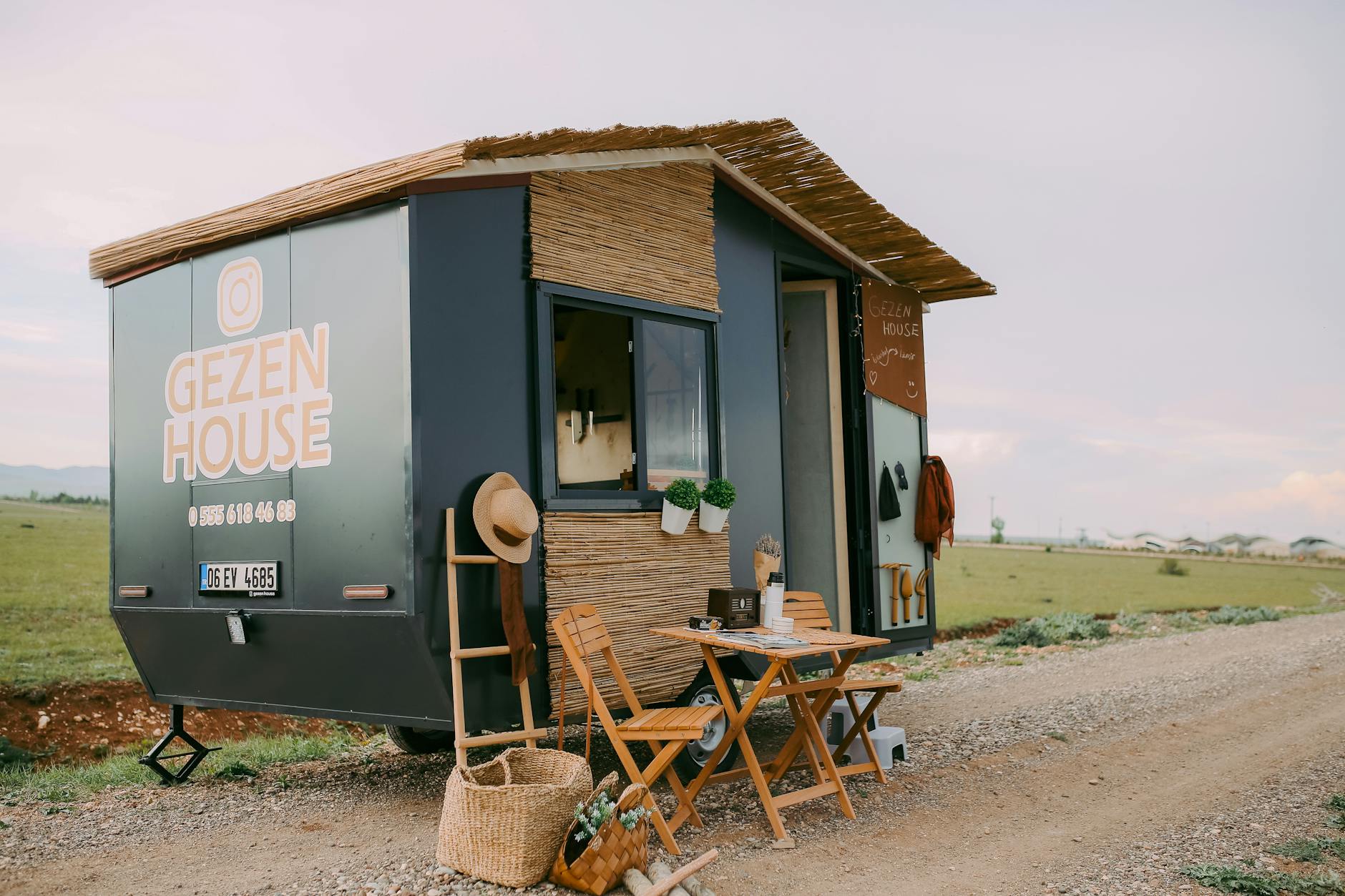
Tiny home insurance protects owners of dwellings typically under 400 square feet. These compact homes have surged in popularity over the past decade. However, insuring them is not as simple as buying a standard policy. Most traditional homeowners policies assume a full-size house on a permanent foundation. Tiny homes often fall into a classification gap.
They may be too small for standard coverage. They may also be too residential for RV insurance. As a result, tiny home insurance requires careful research and the right policy type. Whether your home sits on a foundation or rolls on wheels, understanding your coverage options is essential. The wrong policy could leave you unprotected when disaster strikes.
What Is Tiny Home Insurance?
Tiny home insurance is a broad term for policies that cover small dwellings. These homes are generally under 500 square feet. The specific policy type depends on how your tiny home is built and classified. For example, a home on a permanent foundation may qualify for a standard HO-3 homeowners policy. A tiny home on wheels (THOW) typically needs RV insurance or a specialty policy instead.
Unlike a standard HO-3 policy designed for traditional houses, tiny home insurance often involves lower dwelling coverage limits. Standard homeowners policies typically cover $250,000 or more in dwelling value. Tiny home policies usually range from $25,000 to $150,000. In most cases, insurers also require certification from RVIA (Recreation Vehicle Industry Association) or NOAH (National Organization of Alternative Housing) before issuing coverage.
Some carriers now offer specialty hybrid policies built specifically for tiny homes. These cover unique features like solar panels, rainwater collection systems, and composting toilets. Strategic Insurance Agency and Foremost Insurance Group are among the leaders in this niche market.
What Does Tiny Home Insurance Cover?
A comprehensive tiny home insurance policy covers several key areas. Dwelling coverage protects the structure itself from perils like fire, wind, and hail. Personal property coverage protects your belongings inside the home. Liability coverage pays if someone is injured on your property. Loss of use coverage helps with living expenses if your home becomes uninhabitable. For homes on wheels, a trip endorsement can cover damage during towing.
However, coverage details vary significantly based on your policy type. The table below compares standard homeowners coverage with typical tiny home insurance options.
| Coverage Feature | Standard HO-3 | Tiny Home (Foundation) | Tiny Home on Wheels |
|---|---|---|---|
| Dwelling coverage | $250,000+ | $25,000–$150,000 | $25,000–$100,000 |
| Personal property | 50–70% of dwelling | $10,000–$50,000 | $5,000–$30,000 |
| Liability | $100,000–$500,000 | $100,000–$300,000 | $50,000–$300,000 |
| Loss of use | Included | Included | Varies by policy |
| Transit/towing damage | Not covered | Not applicable | With trip endorsement |
| Other structures | 10% of dwelling | Up to $50,000 | Limited or excluded |
| Certification required | Building code only | NOAH or local code | RVIA preferred |
Typically, foundation-based tiny homes receive broader coverage. Homes on wheels face more restrictions. As a result, THOW owners should carefully review what each policy includes before signing.
What Tiny Home Insurance Does NOT Cover
Like standard homeowners policies, tiny home insurance excludes certain perils. Floods, earthquakes, and mudslides always require separate policies. Normal wear and tear is never covered. Pest damage from termites or rodents is also excluded. In most cases, damage from neglected maintenance falls outside your policy.
However, tiny homes face unique exclusions as well. DIY-built homes without RVIA or NOAH certification may be completely uninsurable. If your home is parked in violation of local zoning laws, your policy could be voided. Damage that occurs while a THOW is hitched to a vehicle may not be covered without a specific travel endorsement.
Business use is another gap. If you rent your tiny home on Airbnb, standard tiny home insurance will not cover business liability. You would need a separate commercial or short-term rental rider. Always disclose how you use your home to your insurer.
How Much Does Tiny Home Insurance Cost?
Tiny home insurance costs significantly less than standard homeowners coverage. Most owners pay between $500 and $1,500 per year. For comparison, the average standard homeowners premium reached approximately $3,057 in 2026 according to Insurify. The lower replacement value of tiny homes drives this cost difference.
Several factors affect your premium. Foundation versus wheels is the biggest variable. Location matters as well — homes in flood zones, wildfire regions, or hurricane-prone areas pay 10 to 30 percent more. Certification status also impacts price. RVIA or NOAH certified homes are easier and cheaper to insure. Professionally built homes cost less to cover than DIY builds.
For example, a THOW with RV insurance might pay $800 to $1,500 annually. A foundation-based tiny home with an HO-3 policy could pay $400 to $1,200. Your chosen deductible and coverage limits also influence your final premium. Higher deductibles lower your annual cost but increase out-of-pocket risk.
🏠 Get Free Home Insurance Guides
Free · No spam · Unsubscribe anytime
How to Find the Best Tiny Home Insurance
Finding the right tiny home insurance starts with understanding your home’s classification. Determine whether your home qualifies as a permanent structure, manufactured home, or recreational vehicle. This classification dictates which policy types are available to you. Get your home certified through RVIA or NOAH before shopping — it dramatically expands your options.
Compare quotes from multiple carriers. American Family Insurance, Foremost Insurance Group, Progressive, and American Modern all offer tiny home insurance options. Strategic Insurance Agency specializes in homes under 500 square feet. USAA members can access coverage through their Foremost partnership.
When comparing policies, look beyond the premium. Check dwelling coverage limits, personal property caps, and liability amounts. Ask about transit endorsements if your home moves. Verify that custom features like off-grid systems are covered. Typically, the cheapest policy is not the best policy. Choose coverage that matches your actual replacement cost and risk profile.
Frequently Asked Questions
Can I get tiny home insurance if I built my home myself?
DIY tiny homes are harder to insure but not impossible. However, most insurers require RVIA or NOAH certification regardless of who built the home. For example, NOAH offers video-based inspections accessible to self-builders. Without certification, your options are extremely limited.
Does tiny home insurance cover me if I live in my home full-time?
Yes, but you must disclose full-time occupancy to your insurer. In most cases, RV policies designed for recreational use may not cover full-time living. A specialty tiny home insurance policy or an HO-7 manufactured home policy typically works better for permanent residents.
Is tiny home insurance required by law?
No state requires tiny home insurance by law. However, if you have a mortgage or loan on your home, your lender will require coverage. As a result, even without a legal mandate, carrying tiny home insurance is strongly recommended to protect your investment.
Compare Home Insurance Rates
Ready to see if you could be paying less for homeowners insurance? Compare quotes from top insurers in your area. Getting multiple quotes is the most effective way to find a better rate.
(paid link)
Official Sources & Resources
For verified information on home insurance regulations and consumer protection:
- NAIC (National Association of Insurance Commissioners): naic.org
- Insurance Information Institute: iii.org
- FEMA (Federal Emergency Management Agency): fema.gov
- FloodSmart (National Flood Insurance Program): floodsmart.gov
- USA.gov — Housing: usa.gov/housing
Content last reviewed April 2026. If you notice any outdated information, please contact us.