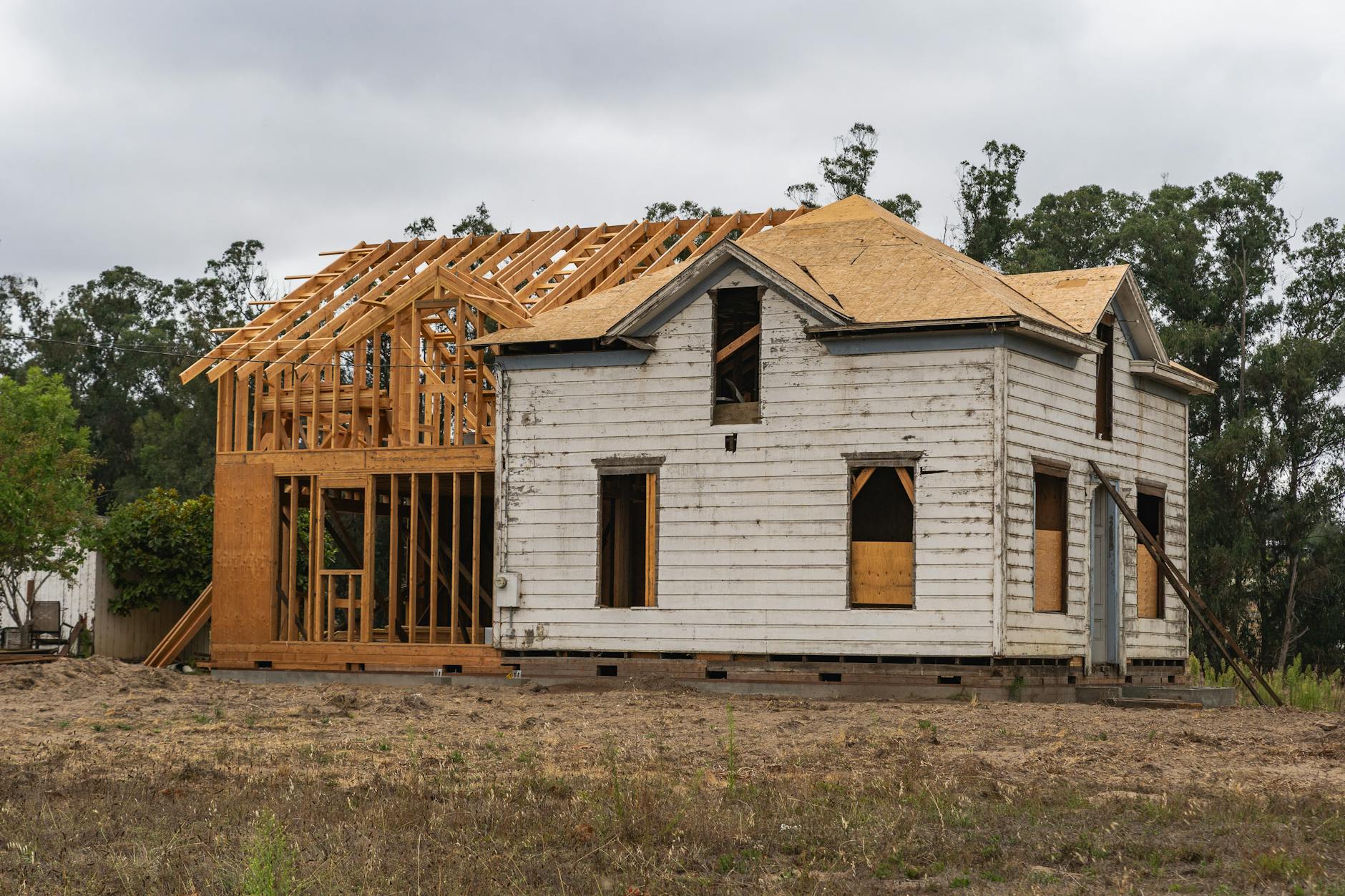
Fixer upper home insurance protects buyers who purchase older or distressed properties that need significant repairs. These homes present unique risks that standard policies may not cover. Renovation projects introduce hazards like exposed wiring, missing walls, and stored building materials. In most cases, a traditional HO-3 homeowners policy assumes a finished, occupied dwelling. A fixer-upper breaks that assumption. Insurers view renovation properties as higher risk due to vacancy, construction activity, and changing property values. As a result, you may need specialized coverage to protect your investment during the entire renovation process.
What Is Fixer Upper Home Insurance?
Fixer upper home insurance is not a single policy type. It describes a combination of coverages designed for homes undergoing renovation. The right policy depends on the scope of your project and whether you live in the home during repairs. For minor updates, your existing HO-3 policy may suffice with proper notification to your insurer. However, major renovations typically require additional coverage.
For extensive projects, builders risk insurance is often the primary policy. It covers the structure, building materials on-site, and even project delay costs. This standalone policy is written on a “completed value” basis. That means coverage equals the estimated value after renovation is finished. Builders risk policies typically last 6 to 12 months and are renewable.
Older fixer-uppers in poor condition may only qualify for an HO-8 policy. This modified coverage form uses functional replacement cost rather than full replacement cost. It covers repairs with modern equivalent materials instead of original ones. For example, drywall replaces plaster and composite replaces slate. HO-8 policies are named-peril only, covering just 11 specific risks.
What Does Fixer Upper Home Insurance Cover?
A proper fixer upper home insurance arrangement covers damage to the existing structure from fire, wind, hail, lightning, and vandalism. It also protects new building materials stored on-site or in transit. Builders risk policies add coverage for temporary structures like scaffolding. They may also cover debris removal after a covered loss. Theft of building materials is the most common builders risk claim during renovations.
The following table shows how fixer upper home insurance coverage compares to a standard HO-3 policy:
| Coverage Area | Standard HO-3 | Fixer-Upper Coverage |
|---|---|---|
| Occupied dwelling protection | Yes — open peril | Yes — may require HO-8 (named peril) |
| Vacant home (60+ days) | No — vacancy clause suspends coverage | Yes — with vacancy permit or vacant home policy |
| Building materials on-site | Not covered | Covered under builders risk |
| Theft of construction materials | Not addressed | Covered under builders risk |
| Project delay costs | Not applicable | Covered — lost income and extra loan interest |
| Ordinance or law compliance | Not standard | Available as endorsement for code upgrades |
| Contractor liability | Not covered | Contractor carries own policy; builders risk adds project-level liability |
| Dwelling valuation | Current replacement cost | Post-renovation completed value |
Typically, fixer upper home insurance also includes an ordinance or law endorsement. This covers the extra cost of bringing an older home up to current building codes. For fixer-uppers built decades ago, code compliance costs can be substantial.
What Fixer Upper Home Insurance Does NOT Cover
Even comprehensive fixer upper home insurance has important exclusions. Faulty workmanship is never covered. If a contractor installs wiring incorrectly, the defective work itself is excluded. However, if that bad wiring causes a fire, the resulting damage may be covered under an “ensuing loss” clause. Design flaws and code violations are also excluded from standard renovation policies.
Earthquakes and floods require separate policies regardless of your renovation status. Damage caused by contractor negligence falls under the contractor’s own liability insurance. Normal wear and tear is always excluded. In most cases, personal property belonging to contractors or subcontractors is not covered under your policy either.
The most critical exclusion involves vacancy. Standard HO-3 policies suspend coverage for vandalism, glass breakage, and water damage after 60 consecutive days of vacancy. If you move out during renovations, this gap can lead to denied claims. A vacancy permit endorsement or separate vacant home policy is essential for longer projects.
How Much Does Fixer Upper Home Insurance Cost?
Fixer upper home insurance costs vary based on the policy type you need. Builders risk insurance typically runs 1% to 5% of your total renovation budget. For example, a $100,000 renovation project would cost $1,000 to $5,000 for builders risk coverage. The average monthly cost for remodeling coverage is approximately $100 to $105.
Vacant home insurance averages around $4,200 per year nationally. That is typically 30% to 50% more expensive than standard homeowners insurance on the same property. Installing security systems can reduce premiums by 10% to 20%. A newer roof saves $200 to $400 annually compared to an aged roof.
Several factors increase your fixer upper home insurance premiums. Homes in high-risk areas for hurricanes or wildfires cost more. Properties vacant longer than 60 days trigger higher rates. The scope of renovation matters too. As a result, a gut renovation costs more to insure than a cosmetic update. Failing to notify your insurer about renovations can result in roughly 5% depreciation applied to any claim payout.
🏠 Get Free Home Insurance Guides
Free · No spam · Unsubscribe anytime
How to Find the Best Fixer Upper Home Insurance
Start by contacting your current homeowners insurer before closing on a fixer-upper. Ask whether they offer a dwelling under construction endorsement or course of construction coverage. For minor renovations lasting under two months, an endorsement added to your existing policy is typically the most affordable option.
For major projects, get quotes from carriers that specialize in renovation coverage. State Farm offers builders risk for remodels. Nationwide provides builders risk with strong claims satisfaction. Erie Insurance is known for excellent customer service on older homes. Foremost specializes in vacant home coverage. US Assure focuses specifically on builders risk for remodeling projects.
When comparing fixer upper home insurance quotes, check three things. First, verify the dwelling coverage limit reflects your post-renovation value. Second, confirm the vacancy clause terms and whether a permit endorsement is included. Third, ensure building materials in transit and on-site are covered. Always require your contractor to carry their own general liability and workers compensation insurance separately.
Frequently Asked Questions
Can I get regular homeowners insurance on a fixer-upper?
It depends on the home’s condition and your renovation scope. For minor cosmetic updates, a standard HO-3 policy may work if you notify your insurer. However, homes in poor condition may only qualify for an HO-8 modified coverage policy. Major renovations typically require builders risk insurance instead.
Do I need fixer upper home insurance if I live in the home during renovations?
Yes, you still need proper coverage even if the home is occupied. In most cases, your standard policy requires notification about renovation work. If renovations exceed 10% of your insured dwelling value, an endorsement or separate builders risk policy is typically required.
What happens if I don’t tell my insurer about renovations?
Failing to disclose renovations can have serious consequences. Your insurer may deny claims related to construction activity. As a result, you could face a 5% depreciation penalty on claim payouts. Typically, your policy requires you to report any material changes to the property’s condition or use.
Compare Home Insurance Rates
Ready to see if you could be paying less for homeowners insurance? Compare quotes from top insurers in your area. Getting multiple quotes is the most effective way to find a better rate.
(paid link)
Official Sources & Resources
For verified information on home insurance regulations and consumer protection:
- NAIC (National Association of Insurance Commissioners): naic.org
- Insurance Information Institute: iii.org
- FEMA (Federal Emergency Management Agency): fema.gov
- FloodSmart (National Flood Insurance Program): floodsmart.gov
- USA.gov — Housing: usa.gov/housing
Content last reviewed April 2026. If you notice any outdated information, please contact us.