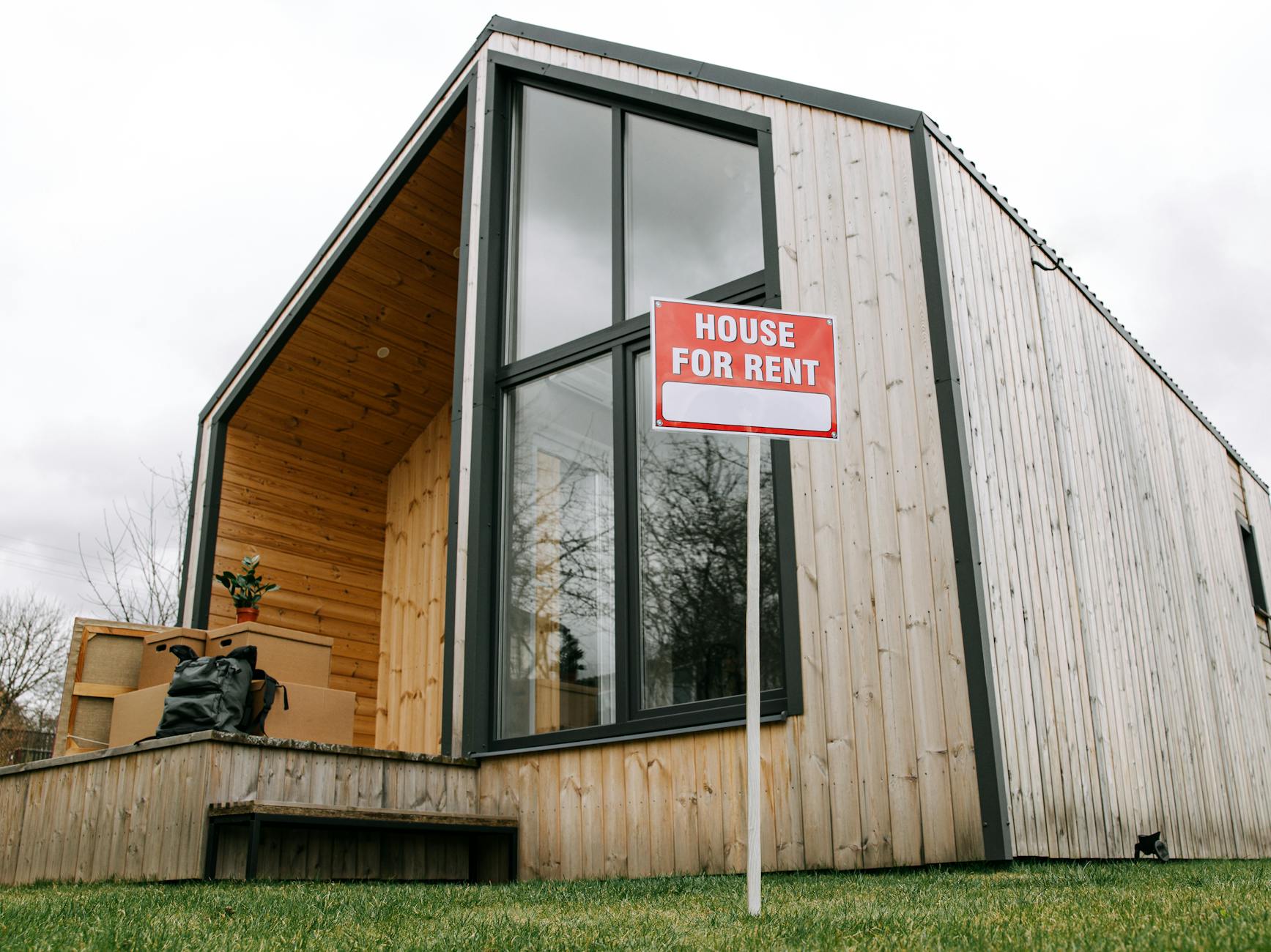
Rental property insurance is a specialized policy designed to protect landlords from financial losses tied to their investment properties. If you own a home, duplex, or apartment building that you rent to tenants, standard homeowners insurance will not cover you. Insurers routinely deny claims when they discover the property is tenant-occupied under a homeowners policy. As a result, every landlord needs a dedicated rental property insurance policy.
This coverage protects the building itself, shields you from liability lawsuits, and replaces lost rental income when disaster strikes. The average landlord policy costs between $1,500 and $1,900 per year nationally. That is roughly 25% more than a standard homeowners policy. However, the cost of going uninsured far exceeds any annual premium.
What Is Rental Property Insurance?
Rental property insurance is a policy built specifically for non-owner-occupied dwellings. It covers single-family homes, duplexes, triplexes, and four-unit buildings leased to tenants. In most cases, it bundles dwelling coverage, liability protection, and loss of rental income into one policy. Any landlord who collects rent from a property they own should carry this coverage.
The key difference from homeowners insurance is the focus on rental activity. A homeowners policy covers your personal belongings and your living expenses if displaced. Rental property insurance instead covers landlord-owned equipment on-site and reimburses lost rent. It also addresses liability risks unique to landlords. For example, a tenant who slips on an icy walkway can sue you for medical bills. Your rental property insurance pays for legal defense and any settlement up to your policy limit.
Importantly, rental property insurance does not cover your tenants’ belongings. Tenants need their own renters insurance for personal property protection. Many experienced landlords now require renters insurance as a lease condition.
What Does Rental Property Insurance Cover?
A standard rental property insurance policy includes three core coverages. Dwelling coverage pays to repair or rebuild the structure after fire, windstorm, hail, vandalism, or other named perils. Liability coverage handles lawsuits from tenants or visitors injured on your property. Loss of rental income replaces the rent you lose while the property is uninhabitable due to a covered event.
| Coverage Type | What It Protects | Typical Limits |
|---|---|---|
| Dwelling (Structure) | Building damage from fire, wind, hail, vandalism | 100% of replacement cost |
| Liability | Tenant/visitor injury lawsuits and legal defense | $300,000 – $1,000,000 |
| Loss of Rental Income | Lost rent during covered repairs | 6 – 18 months of rent |
| Landlord Personal Property | Appliances and tools you provide on-site | Varies by policy |
| Medical Payments | Minor injuries to non-residents on property | $1,000 – $5,000 |
However, standard policies exclude flood damage, earthquake damage, and tenant non-payment of rent. Mold is often excluded unless caused by a sudden covered event. Most policies also void coverage if the property sits vacant for more than 30 to 60 consecutive days. Landlords should review these exclusions carefully and add endorsements where needed.
How Much Does Rental Property Insurance Cost?
The national average for rental property insurance falls between $1,500 and $1,900 per year for a single-family rental. Larger or higher-value properties can reach $3,250 annually. Monthly, landlords typically pay $125 to $160. In most cases, premiums run about 25% higher than a comparable homeowners policy because rental properties face higher risk from tenant turnover and vacancy.
Location is the biggest cost factor. Hawaii averages just $756 per year. Texas and Oklahoma can exceed $6,000 annually due to severe weather exposure. Property age, construction type, local crime rates, and your credit score also affect pricing. Poor credit alone can add $700 or more per year to your premium. Deductibles typically range from $500 to $2,500 as a flat amount. Some states now use percentage-based deductibles of 2% to 3% of insured value for wind and hail claims.
Bundling your rental property insurance with auto or umbrella coverage can save 18% to 20%. Paying annually instead of monthly also reduces costs. Installing smoke detectors, security cameras, and smart locks may qualify you for additional discounts.
Which Companies Offer Rental Property Insurance?
State Farm is a top choice with an A++ AM Best rating and bundling discounts up to 20%. Liberty Mutual is frequently named the best overall landlord insurer for its flexible coverage levels and 24/7 claims center. Farmers stands out with loss-of-rent coverage up to 18 months and built-in tenant screening tools through SmartMove.
Travelers covers single-family through four-unit properties and includes $1,000 or more in medical payments coverage in the base policy. Steadily is a landlord-specialist insurer named by CNBC as one of the best landlord insurance companies in 2026. It provides online quotes in under one minute. For multi-unit apartment buildings, biBerk (a Berkshire Hathaway subsidiary) offers property, liability, and workers comp under one umbrella.
Nationwide and Allstate also offer strong rental property insurance options. Nationwide promotes flood coverage as a complement to landlord policies. Allstate provides detailed online tools showing claim frequency by ZIP code. Getting quotes from at least three carriers is essential since pricing varies significantly for identical properties.
🏠 Get Free Home Insurance Guides
Free · No spam · Unsubscribe anytime
Tips for Choosing the Right Rental Property Insurance
Start by selecting replacement cost coverage instead of actual cash value. Replacement cost pays to rebuild without deducting for depreciation. Set your liability limit to at least $1,000,000. The incremental cost from $300,000 to $1,000,000 is small. For example, an umbrella policy adding $1 million to $5 million in extra liability costs roughly $150 to $300 per year.
Require all tenants to carry renters insurance. This reduces your liability exposure and fills the personal property gap that rental property insurance does not cover. Check your policy’s vacancy clause carefully. Know how many consecutive days the property can sit empty without voiding coverage. Notify your insurer between tenants to stay protected.
Typically, landlords who document property condition with dated photos before and after each tenancy face fewer disputed claims. Conduct regular inspections and keep maintenance records. Insurers increasingly deny claims tied to deferred maintenance or neglect. Screen tenants thoroughly to reduce risk. Fewer problem tenants means fewer claims and lower future premiums on your rental property insurance.
Frequently Asked Questions
Is rental property insurance the same as homeowners insurance?
No. Rental property insurance is designed for non-owner-occupied properties leased to tenants. Homeowners insurance covers owner-occupied homes and personal belongings. However, if you rent out a property with only a homeowners policy, your insurer may deny claims related to tenant activity.
Does rental property insurance cover tenant damage?
It depends on the type of damage. Vandalism and malicious damage by tenants are typically covered under rental property insurance. However, normal wear and tear is always excluded. In most cases, you can add an endorsement for additional tenant-damage protection.
Do I need rental property insurance if I only rent to family?
Yes. Renting to family members still changes the property’s status from owner-occupied to rental. As a result, your standard homeowners policy likely will not cover claims. A dedicated rental property insurance policy protects you regardless of who your tenant is.
Compare Home Insurance Rates
Ready to see if you could be paying less for homeowners insurance? Compare quotes from top insurers in your area. Getting multiple quotes is the most effective way to find a better rate.
(paid link)
Official Sources & Resources
For verified information on home insurance regulations and consumer protection:
- NAIC (National Association of Insurance Commissioners): naic.org
- Insurance Information Institute: iii.org
- FEMA (Federal Emergency Management Agency): fema.gov
- FloodSmart (National Flood Insurance Program): floodsmart.gov
- USA.gov — Housing: usa.gov/housing
Content last reviewed April 2026. If you notice any outdated information, please contact us.