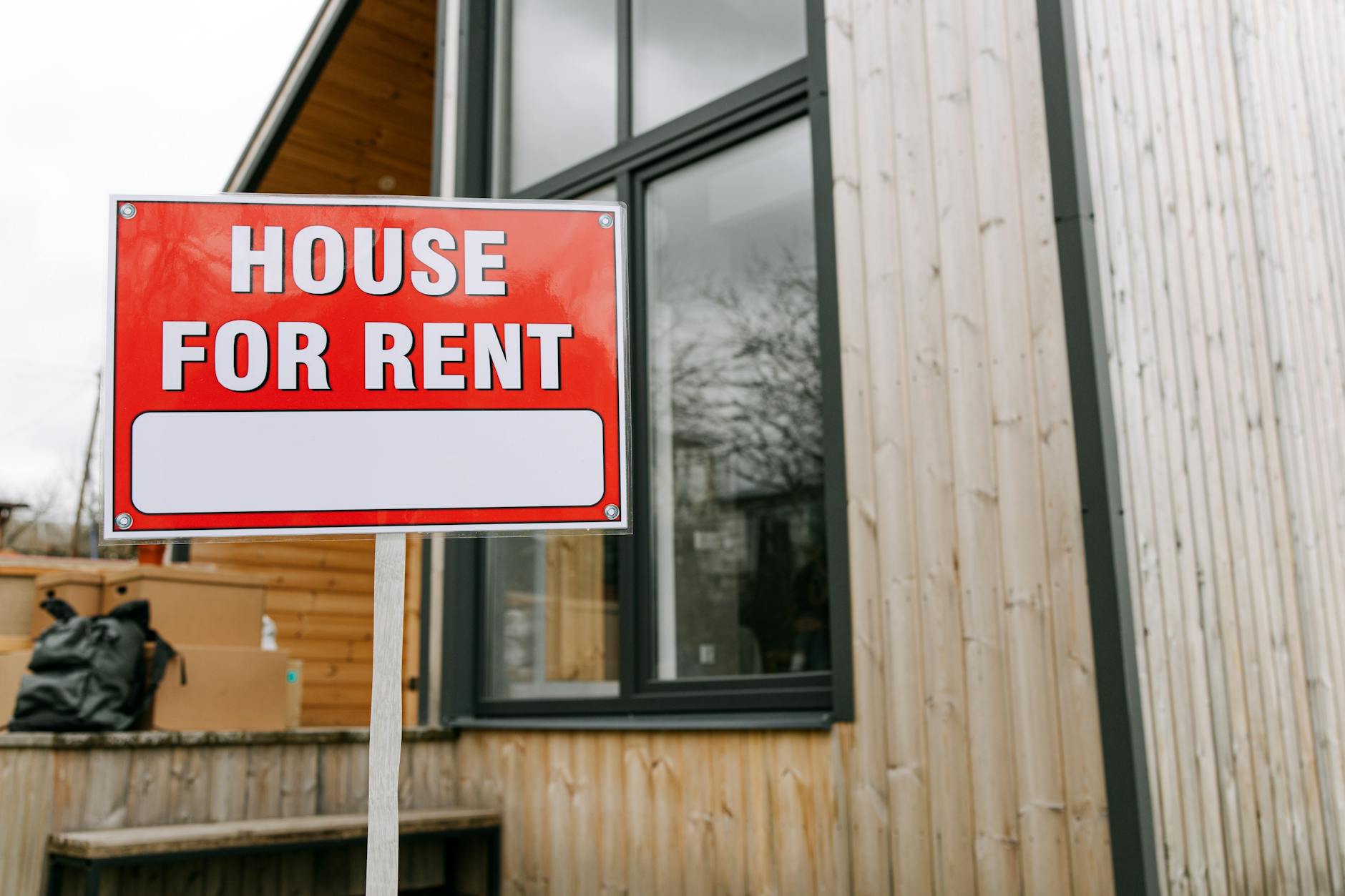
Long distance landlord insurance protects rental property owners who manage homes or apartments from another city or state. Owning investment property far from where you live creates unique risks. Maintenance problems can escalate before you even hear about them. Vacancy periods may go unnoticed for weeks.
Liability exposure increases when you cannot personally inspect the premises. A standard homeowners policy will not cover a property you rent to tenants. In most cases, your insurer will deny claims entirely if they discover the home is tenant-occupied under a homeowners policy. That is why long distance landlord insurance exists as a specialized product. It covers the specific risks that come with renting out property you do not live in or near.
What Is Long Distance Landlord Insurance?
Long distance landlord insurance is a dwelling fire policy designed for rental property owners who live far from their investments. It works like standard landlord insurance but accounts for the added risks of remote ownership. These risks include delayed maintenance response, longer vacancy windows, and difficulty monitoring tenant behavior.
This coverage differs from homeowners insurance in several important ways. Homeowners insurance covers your primary residence and your personal belongings inside it. Landlord insurance covers the structure you rent out, your liability as a property owner, and lost rental income. However, it does not cover your tenants’ personal property. Tenants need their own renters insurance for that.
Any landlord who lives more than an hour from their rental property should consider long distance landlord insurance. Investors with properties in multiple states especially need this protection. As a result, the policy becomes essential for anyone who cannot quickly respond to emergencies at the property.
What Does Long Distance Landlord Insurance Cover?
Long distance landlord insurance typically includes three core coverages. Dwelling protection covers the physical structure against perils like fire, wind, and hail. Liability coverage protects you if a tenant or visitor is injured on the property. Loss of rental income pays your expected rent if a covered event makes the property uninhabitable.
Policies come in three tiers. A DP-1 policy covers only named perils at actual cash value. A DP-2 adds more perils and pays replacement cost. A DP-3 is an open-peril policy that covers everything except specific exclusions. For example, a DP-3 policy would cover a burst pipe that floods the kitchen, while a DP-1 might not.
| Coverage Type | What It Protects | Typical Limits |
|---|---|---|
| Dwelling | Structure, roof, walls, foundation | Replacement cost of the home |
| Liability | Tenant or visitor injury lawsuits | $100,000 – $1,000,000 |
| Loss of Rental Income | Lost rent during covered repairs | Up to 12 months of rent |
| Other Structures | Detached garages, sheds, fences | 10% of dwelling coverage |
| Landlord Personal Property | Appliances and furnishings you own | $2,500 – $15,000 |
One critical concern for remote landlords is the vacancy clause. Most policies limit or exclude coverage if a property sits unoccupied for 30 to 60 consecutive days. Vacant property claims cost roughly 17% more on average. Water damage alone accounts for 34% of vacant property claims. Typically, you must notify your insurer immediately when a unit goes vacant to avoid coverage gaps.
How Much Does Long Distance Landlord Insurance Cost?
The national average for landlord insurance runs between $1,500 and $1,900 per year for a single-family rental. That works out to roughly $125 to $160 per month. However, costs vary widely by state. Oklahoma averages around $595 per year, while Rhode Island averages approximately $2,419 per year.
Long distance landlord insurance generally costs about 25% more than a comparable homeowners policy. Several factors affect your premium. Property location, age, and condition matter most. Your chosen deductible also plays a role. Most landlords select deductibles between $1,000 and $1,500. Choosing a higher deductible of $2,500 can lower your annual premium significantly.
If your property sits vacant between tenants, vacancy insurance can add 50% to 60% to your base premium. As a result, minimizing vacancy periods directly reduces your insurance costs. Installing smart home devices like water leak sensors and security cameras may qualify you for additional discounts with some carriers.
Which Companies Offer Long Distance Landlord Insurance?
State Farm offers a Rental Dwelling Policy through its local agent network. This works well for remote landlords who want a dedicated agent near the property. Allstate provides a Landlord Package Policy with multi-property discounts. Liberty Mutual covers non-occupied dwellings and properties under renovation, which benefits long distance landlord insurance buyers between tenants.
Travelers is a strong choice for serious investors with properties across multiple states. They offer commercial-grade protection suited to LLC-structured landlords. Steadily operates in all 50 states and specifically covers vacant and mid-renovation properties. Obie is a tech-enabled platform built for real estate investors that provides instant online quotes from A-rated carriers.
For military members, USAA partners with Foremost to offer dwelling coverage up to $1 million. Foremost provides two package tiers: the Landlord Package and the Landlord Platinum Package. In most cases, comparing quotes from at least three carriers will help you find the best rate for your long distance landlord insurance needs.
🏠 Get Free Home Insurance Guides
Free · No spam · Unsubscribe anytime
Tips for Choosing the Right Long Distance Landlord Insurance
Start by hiring a local property management company. They handle inspections, maintenance, and tenant relations on your behalf. Typically, property managers charge 8% to 12% of monthly rent. This investment pays for itself by preventing small problems from becoming expensive claims. Your long distance landlord insurance premium may also decrease with professional management in place.
Build a network of trusted local contractors before emergencies happen. Have a plumber, electrician, and general handyman on speed dial. Schedule quarterly or semi-annual property inspections. Virtual video inspections work when you cannot visit in person. For example, your property manager can walk through the unit on a video call so you can see conditions firsthand.
Always require your tenants to carry renters insurance. This reduces your liability exposure and is legal in most states. Review your long distance landlord insurance policy annually. Coverage needs change as property values shift and local regulations evolve. Track vacancy dates carefully to stay within your policy’s occupancy requirements. Finally, consider an umbrella policy if you own multiple rental properties across different states.
Frequently Asked Questions
Do I need special insurance if I own rental property in another state?
Yes. A standard homeowners policy will not cover a property you rent out. You need long distance landlord insurance that covers dwelling damage, liability, and lost rental income. However, you should also verify that your policy meets the specific requirements of the state where the property is located.
What happens to my coverage if my rental property sits vacant?
Most landlord policies include a vacancy clause that limits coverage after 30 to 60 days of no occupancy. As a result, claims on vacant properties may be reduced or denied entirely. You should notify your insurer immediately when a tenant moves out and ask about vacancy endorsements.
Can I get long distance landlord insurance for multiple properties under one policy?
Some insurers offer multi-property or portfolio policies. For example, Travelers and Allstate provide discounts when you insure several rentals together. Typically, bundling properties under one carrier simplifies management and lowers your overall long distance landlord insurance costs.
Compare Home Insurance Rates
Ready to see if you could be paying less for homeowners insurance? Compare quotes from top insurers in your area. Getting multiple quotes is the most effective way to find a better rate.
(paid link)
Official Sources & Resources
For verified information on home insurance regulations and consumer protection:
- NAIC (National Association of Insurance Commissioners): naic.org
- Insurance Information Institute: iii.org
- FEMA (Federal Emergency Management Agency): fema.gov
- FloodSmart (National Flood Insurance Program): floodsmart.gov
- USA.gov — Housing: usa.gov/housing
Content last reviewed April 2026. If you notice any outdated information, please contact us.