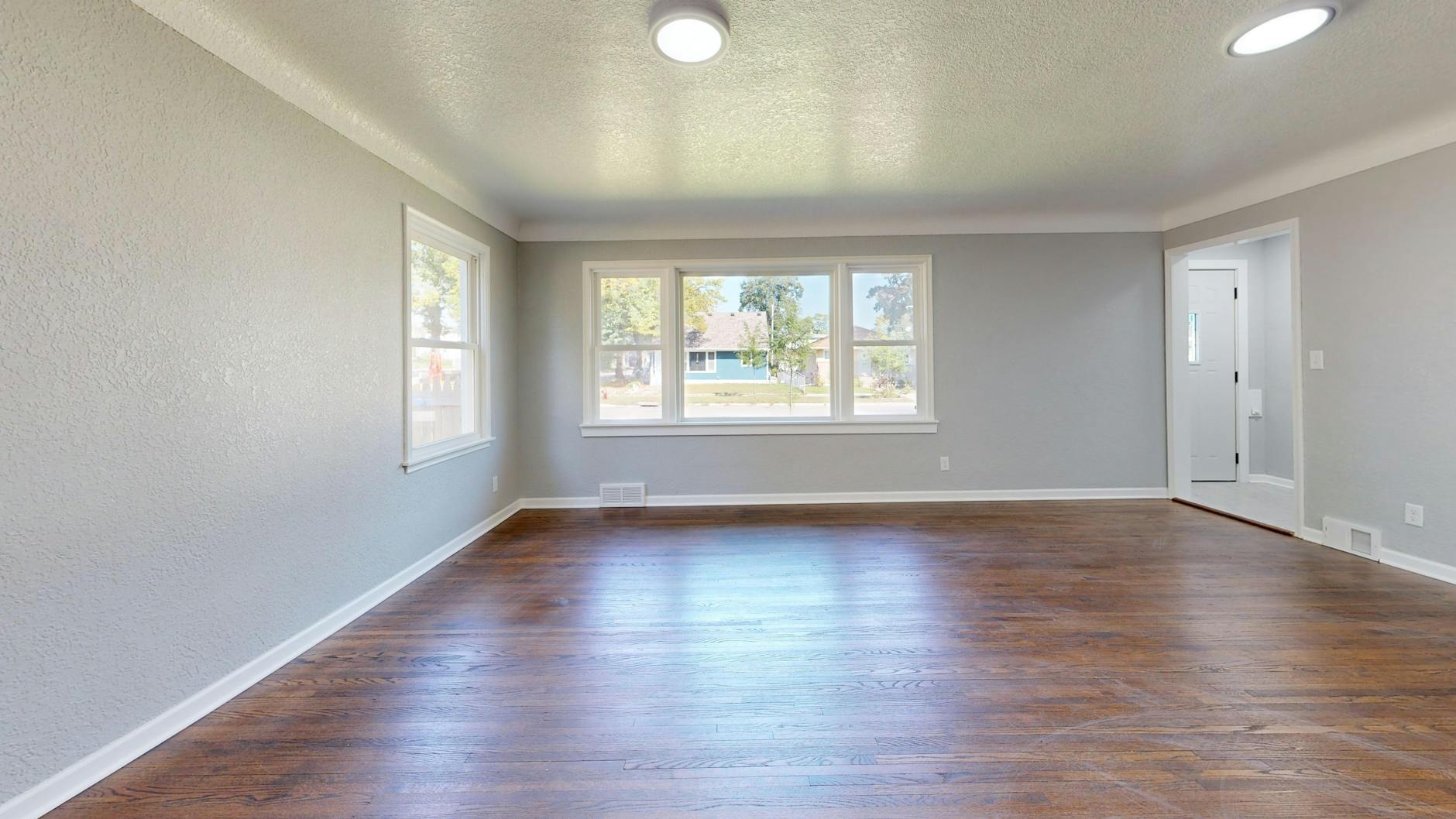
Vacant rental property insurance protects landlords when a rental unit sits empty between tenants. Most standard landlord policies include a vacancy clause. This clause limits or excludes coverage after 30 to 60 days of no occupancy. However, finding a new tenant often takes longer than that. Without proper coverage, landlords face serious financial exposure.
Vandalism, theft, and water damage are far more likely in empty properties. In fact, vacant homes are three times more likely to be vandalized than occupied ones. A single incident could cost thousands in repairs. As a result, landlords need a dedicated policy to bridge these coverage gaps. The right vacant rental property insurance keeps your investment protected during turnover periods.
What Is Vacant Rental Property Insurance?
Vacant rental property insurance is a specialized policy designed for properties with no tenants or furnishings. It differs from standard landlord insurance in one key way. Standard policies assume someone lives in the property. Once a rental sits empty beyond the vacancy threshold, coverage shrinks dramatically. Theft, vandalism, and water damage exclusions typically kick in after 30 to 60 days.
It is important to understand the difference between “vacant” and “unoccupied.” A vacant property has no personal belongings inside. An unoccupied property still contains furniture and appliances. In most cases, insurance companies treat these situations very differently. Unoccupied homes usually keep their standard coverage. Vacant homes do not. For landlords between tenants, the property is almost always considered vacant.
This type of coverage is essential for landlords who own multiple units. Seasonal rentals, properties under renovation, and units listed for sale also qualify. Typically, these policies run for 3, 6, or 12 months. They can be canceled when a new tenant moves in.
What Does Vacant Rental Property Insurance Cover?
Most vacant rental property insurance policies use a named-peril approach. This means they only cover risks specifically listed in the policy. Common covered perils include fire, lightning, wind, hail, and explosion. However, coverage for theft and vandalism may require an additional endorsement. Liability protection is also included in most policies.
Here is a comparison of typical coverage options and limits:
| Coverage Type | Typical Limits | Notes |
|---|---|---|
| Dwelling (Structure) | $100,000 – $500,000+ | Actual cash value; replacement cost available |
| Personal Liability | $300,000 – $1,000,000 | Covers injuries on your property |
| Vandalism & Theft | Varies by insurer | Often optional; may have higher deductible |
| Loss of Rental Income | Up to 12 months of rent | Only if property was actively listed |
| Water Damage | Limited or excluded | Burst pipes common in vacant properties |
| Medical Payments | $1,000 – $5,000 | Covers minor injuries to visitors |
Deductibles for vacant rental property insurance typically range from $1,000 to $5,000. Higher deductibles lower your premium. However, they also increase your out-of-pocket costs after a claim. For example, choosing a $2,500 deductible instead of $1,000 could save 10% to 15% on premiums.
How Much Does Vacant Rental Property Insurance Cost?
Vacant rental property insurance costs significantly more than standard landlord coverage. The national average is approximately $4,200 per year in 2026. That is roughly 50% to 60% more than a standard homeowners policy. Compared to occupied landlord insurance, vacant coverage can cost up to 120% more. For example, a landlord policy averaging $1,516 per year could jump to $3,300 or more when the property is vacant.
Several factors affect your premium. Property location plays the biggest role. High-crime areas and disaster-prone regions cost more. The age and condition of the building also matter. Properties with updated roofing, plumbing, and electrical systems get lower rates. Security measures like alarm systems and regular inspections can reduce premiums by 10% to 20%. As a result, investing in basic security often pays for itself.
Some insurers offer short-term policies at prorated rates. A 3-month vacant rental property insurance policy might cost $1,000 to $1,500. This flexibility helps landlords who expect a quick turnaround between tenants. Monthly payment options are also available through certain carriers.
Which Companies Offer Vacant Rental Property Insurance?
Foremost Insurance is one of the most recognized names in this space. They offer named-peril vacant policies with optional vandalism coverage. Foremost also allows landlords to switch between vacant and landlord policies through a simple endorsement. There is no need to cancel and rebind when a tenant moves in. This saves time and avoids coverage gaps.
National Real Estate Insurance Group (NREIG) specializes in coverage for real estate investors. Their vacant rental property insurance includes monthly reporting. You pay only for the months you need. There are no minimum earned premiums. This makes NREIG a strong choice for landlords managing multiple properties. Typically, their flexible billing appeals to portfolio landlords.
American Modern Insurance offers both temporary and long-term vacant policies. Their temporary option works well for unexpected vacancies. Farmers Insurance provides a 12-month homeowners policy with a vacant home endorsement. Progressive and State Farm also offer vacant property endorsements in select states. In most cases, working with an independent agent helps you compare options faster.
🏠 Get Free Home Insurance Guides
Free · No spam · Unsubscribe anytime
Tips for Choosing the Right Vacant Rental Property Insurance
Start by reviewing your current landlord policy’s vacancy clause. Know exactly when coverage reduces or expires. Then contact your insurer about adding a vacancy endorsement. This is often the cheapest option. However, standalone vacant policies sometimes offer broader protection. Compare both before deciding.
Keep utilities running at your vacant property. Many insurers require active water, heat, and electricity. This also helps prevent frozen pipes in winter. Schedule regular property inspections, ideally weekly. Document each visit with photos. For example, some carriers require proof of inspections to honor claims. Install basic security like motion-sensor lights and deadbolts.
Finally, shop around and get at least three quotes. Vacant rental property insurance rates vary widely between carriers. An independent insurance agent can access surplus lines markets. These specialty markets often cover properties that standard carriers decline. Ask about discounts for bundling multiple properties. Also confirm whether vandalism and theft are included or optional. Reading the policy exclusions is just as important as knowing what is covered.
Frequently Asked Questions
How long can a rental property be vacant before I lose coverage?
Most standard landlord policies reduce coverage after 30 to 60 consecutive days of vacancy. However, the exact threshold depends on your insurer and state. As a result, you should review your policy’s vacancy clause before a tenant moves out.
Is vacant rental property insurance required by law?
No state law requires vacant rental property insurance. However, your mortgage lender may require continuous coverage. In most cases, lenders want proof that the property is insured regardless of occupancy status.
Can I switch back to a regular landlord policy when I find a new tenant?
Yes, most insurers allow you to convert back to a standard landlord policy. For example, Foremost lets you switch through a simple endorsement. Typically, the transition is seamless and avoids any lapse in coverage.
Compare Home Insurance Rates
Ready to see if you could be paying less for homeowners insurance? Compare quotes from top insurers in your area. Getting multiple quotes is the most effective way to find a better rate.
(paid link)
Official Sources & Resources
For verified information on home insurance regulations and consumer protection:
- NAIC (National Association of Insurance Commissioners): naic.org
- Insurance Information Institute: iii.org
- FEMA (Federal Emergency Management Agency): fema.gov
- FloodSmart (National Flood Insurance Program): floodsmart.gov
- USA.gov — Housing: usa.gov/housing
Content last reviewed April 2026. If you notice any outdated information, please contact us.