Insurance water damage is one of the most common and costly issues homeowners face today. Water damage and freezing account for roughly 23% of all homeowners insurance claims. That makes it the second most frequent claim type, behind only wind and hail. In most cases, a standard HO-3 policy covers sudden and accidental water damage. However, not all water damage qualifies for coverage. Flood damage, gradual leaks, and sewer backups typically require separate policies or endorsements.
Understanding your insurance water damage protections can save you thousands of dollars. The average claim pays out nearly $14,000. About 14,000 water damage emergencies happen every day across the United States. Knowing what your policy covers and what it excludes is essential for every homeowner.
What Does Insurance Water Damage Actually Cover?
Standard homeowners insurance covers water damage that is sudden and accidental. For example, a burst pipe in winter is typically covered under your policy. A washing machine hose that snaps without warning qualifies too. Water heater ruptures and sudden AC condensation line failures also fall under most HO-3 policies. If a storm damages your roof and rain enters, your insurance water damage coverage usually applies.
However, the policy covers the resulting damage — not the failed item itself. A burst pipe’s water damage to your floors and walls is covered. The cost to repair the pipe is not. Similarly, a broken dishwasher that floods your kitchen triggers coverage for the flooring and cabinets. The dishwasher replacement comes out of your pocket. This distinction catches many homeowners off guard.
Gradual damage is the biggest exclusion to understand. A slow leak behind a wall that goes unnoticed for months is not covered. Insurers consider that a maintenance failure, not an insurable event. Adjusters examine mold growth, wood rot, and staining patterns to determine the timeline. As a result, regular home inspections protect both your property and your claim eligibility.
Insurance Water Damage Exclusions and Additional Coverage
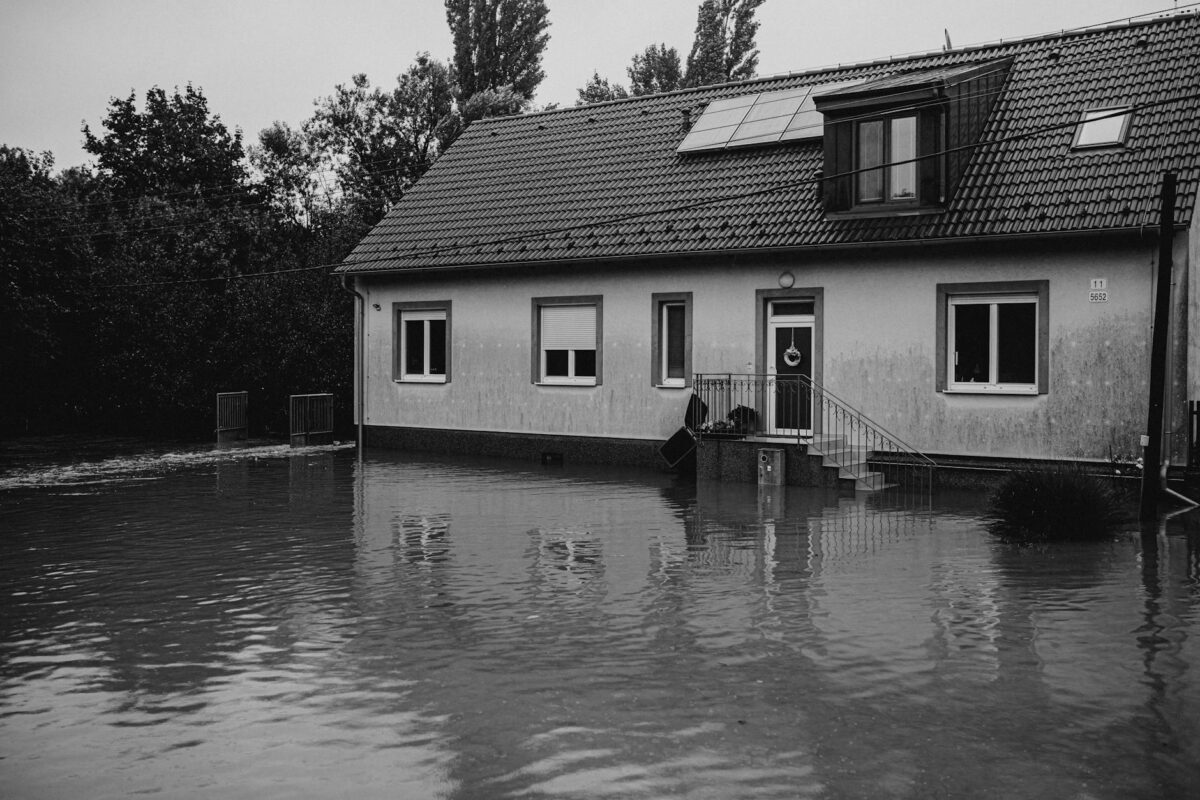
Flood damage is never covered under a standard homeowners policy. This surprises many homeowners after a major storm. Flooding from rising rivers, storm surge, and heavy rainfall requires separate flood insurance. The National Flood Insurance Program offers up to $250,000 for your home’s structure. Contents coverage maxes out at $100,000. Under FEMA’s Risk Rating 2.0, the average NFIP premium is about $926 per year. High-risk coastal zones can exceed $4,000 annually.
Sewer backup is another major exclusion from standard policies. When sewage backs up through your drains or toilets, your basic insurance water damage coverage does not apply. You need a separate endorsement called water backup and sump discharge coverage. This add-on typically costs $50 to $250 per year. It provides $5,000 to $25,000 in protection limits. Given that cleanup alone costs thousands, this endorsement is well worth adding.
| Water Damage Type | Standard Policy | Additional Coverage Needed |
|---|---|---|
| Burst or frozen pipes | Covered | None |
| Appliance leaks (sudden) | Covered | None |
| Storm damage through roof | Covered | None |
| Flooding (external water) | Not covered | NFIP flood policy |
| Sewer or drain backup | Not covered | Sewer backup endorsement |
| Gradual leaks or seepage | Not covered | Not insurable |
What to Do After Water Damage Hits Your Home
Acting fast after water damage is critical for your health and your claim. Mold can begin growing within 24 to 48 hours, according to FEMA. Your first step is to stop the water source if possible. Then document everything with photos and video before cleanup begins. Contact your insurance company immediately to start the claims process. Most policies include a duty to mitigate clause. This means you must take reasonable steps to prevent further damage.
For mitigation, use fans, dehumidifiers, and wet vacuums to remove standing water. However, do not discard damaged items until the adjuster inspects them. Do not make permanent repairs before the inspection either. The national average for water damage restoration runs $3,800 to $3,900. Costs range from $1,300 to $6,400 depending on severity. If mold develops, remediation adds an average of $2,225 to the total. Save all receipts for your insurance water damage claim.
When filing your claim, be thorough and organized. Provide your insurer with a detailed inventory of all damaged items. Include purchase dates and estimated replacement values where possible. Typically, your adjuster will inspect the damage within a few business days. The average insurance water damage payout is approximately $14,000. Keep copies of all written communication with your insurer. If your claim is denied, you have the right to appeal or hire a public adjuster for help.
🏠 Get Free Home Insurance Guides
Free · No spam · Unsubscribe anytime
Frequently Asked Questions
Does homeowners insurance cover water damage from a burst pipe?
In most cases, yes. Standard homeowners insurance covers sudden pipe bursts and the resulting damage. However, the policy typically does not pay to replace the pipe itself. Insurance water damage coverage applies to affected floors, walls, and personal belongings.
Is flood damage the same as water damage on my insurance policy?
No, they are very different under your policy. Standard homeowners insurance covers internal water issues like burst pipes and appliance failures. Flood damage from external rising water requires a separate flood policy. For example, NFIP policies average about $926 per year and cover up to $250,000 in structural damage.
How quickly should I file an insurance water damage claim?
File your claim as soon as possible — ideally within 24 hours. Mold can develop within 48 hours of water exposure. Typically, faster reporting leads to smoother claims processing and better outcomes. Document all damage with photos before starting any cleanup work.
Compare Home Insurance Rates
Ready to see if you could be paying less for homeowners insurance? Compare quotes from top insurers in your area. Getting multiple quotes is the most effective way to find a better rate.
(paid link)
Official Sources & Resources
For verified information on home insurance regulations and consumer protection:
- NAIC (National Association of Insurance Commissioners): naic.org
- Insurance Information Institute: iii.org
- FEMA (Federal Emergency Management Agency): fema.gov
- FloodSmart (National Flood Insurance Program): floodsmart.gov
- USA.gov — Housing: usa.gov/housing
Content last reviewed May 2026. If you notice any outdated information, please contact us.