Burst pipe coverage is one of the most important protections in a standard homeowners insurance policy. Every year, roughly 14,000 water damage emergencies happen in U.S. homes each day. According to industry data from the Table of Contents
org/fact-statistic/facts-statistics-homeowners-and-renters-insurance”>Insurance Information Institute (III), water damage and freezing claims account for about 28% of all homeowners insurance claims. The average claim costs nearly $14,000. In severe cases, losses can exceed $30,000. Understanding your burst pipe coverage helps you act fast when disaster strikes. It also helps you avoid costly surprises when filing a claim. However, not everything is covered. Knowing the limits of your burst pipe coverage before a pipe breaks can save you thousands of dollars and months of frustration.
What Burst Pipe Coverage Typically Includes
A standard homeowners policy (HO-3) covers sudden and accidental water damage. This means if a pipe bursts unexpectedly, your insurer will typically pay for the resulting damage. Covered losses usually include soaked drywall, ruined flooring, and damaged personal belongings. Your policy may also cover the cost of tearing out walls or floors to reach the broken pipe.
In most cases, burst pipe coverage extends to Additional Living Expenses (ALE). If water damage makes your home uninhabitable, ALE pays for hotel stays and meals. For example, a family displaced for two weeks could receive $3,000 or more for temporary housing. This benefit applies while your home undergoes professional restoration.
Water damage restoration typically costs between $1,300 and $6,400. The national average sits around $3,900. Your burst pipe coverage kicks in after you meet your deductible. Standard deductibles range from $500 to $2,500, depending on your policy.
What Isn’t Covered Under Burst Pipe Coverage
Your policy draws a clear line between sudden damage and gradual damage. A pipe that slowly leaks for weeks or months is considered a maintenance issue. Insurers will deny these claims because homeowners are expected to maintain their plumbing. As a result, a slow drip that rots your subfloor over time will not be covered.
Here are the most common exclusions homeowners encounter:
| Scenario | Covered? | Why |
|---|---|---|
| Pipe bursts suddenly from freezing | Yes | Sudden and accidental |
| Slow leak damages floor over months | No | Gradual damage / maintenance |
| Sewer or drain backs up into home | No* | Requires separate endorsement |
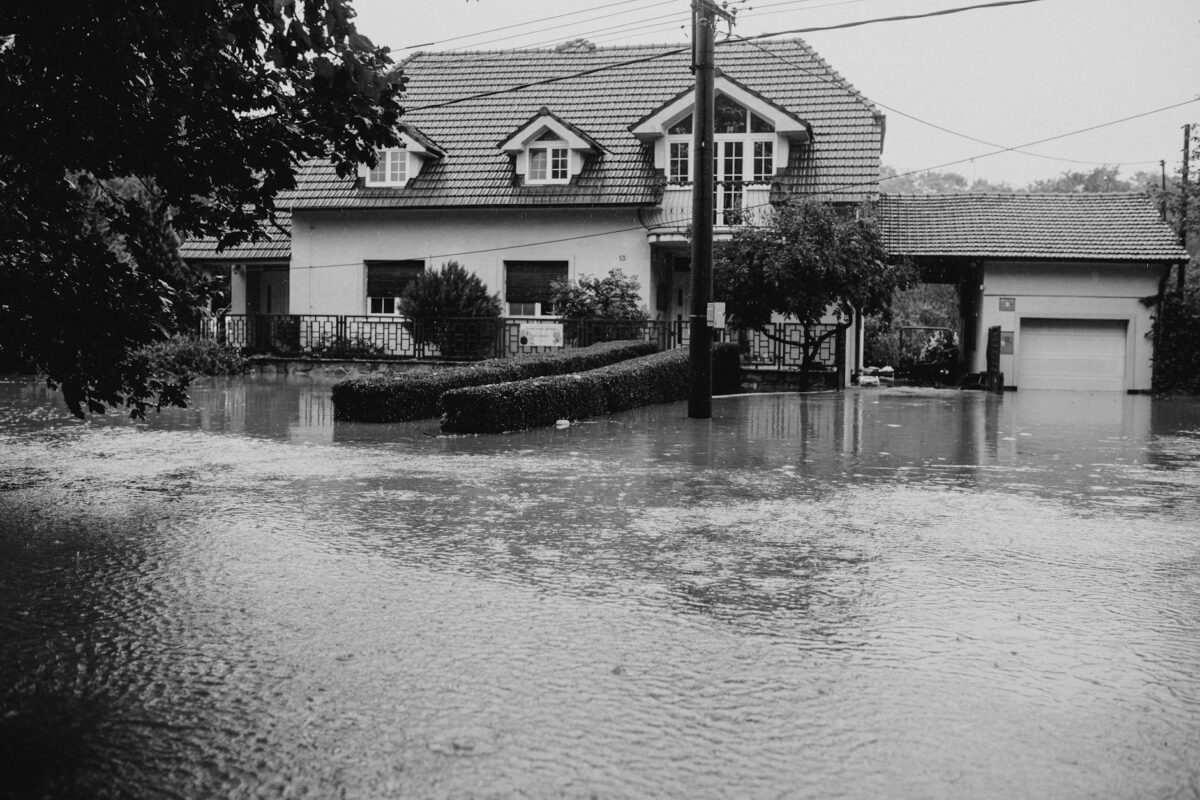
| Flood from external source enters home | No | Requires separate flood policy |
| Pipe replacement cost itself | Varies | Some policies exclude the pipe |
| Damage in a vacant home (30+ days) | No | Vacancy exclusion applies |
*Sewer backup coverage is available as an add-on endorsement. It typically costs $40 to $70 per year. Additionally, homes built between 1978 and 1995 with polybutylene pipes may face exclusions or surcharges. These pipes are known to fail, and many insurers treat them as a pre-existing risk.
How to File a Claim and Protect Your Burst Pipe Coverage
Acting quickly is critical. Your insurer expects you to take reasonable steps to prevent further damage. Typically, this means shutting off your water supply immediately. You should also move belongings away from standing water. Failing to mitigate damage can result in a partial or full claim denial, even when burst pipe coverage would otherwise apply.
Follow these steps after a pipe bursts:
- Shut off the main water valve right away.
- Document all damage with photos and video before cleanup.
- Contact your insurance company within 24 hours.
- Keep all receipts for emergency repairs and temporary housing.
- Get written estimates from licensed restoration contractors.
For example, State Farm reported paying over $628 million on more than 20,000 frozen pipe claims in a recent period. The average payout exceeded $30,000 per claim. These numbers show why having adequate burst pipe coverage matters. However, your claim will move faster if you document everything thoroughly from the start.
How to Strengthen Your Burst Pipe Coverage
Review your policy annually to confirm your coverage limits match your home’s current value. Consider adding a sewer backup endorsement and a service line endorsement. These add-ons typically cost under $100 per year combined. They fill the gaps that standard burst pipe coverage leaves open.
🏠 Get Free Home Insurance Guides
Free · No spam · Unsubscribe anytime
Prevention also lowers your risk. Insulate exposed pipes in attics, basements, and crawl spaces. Keep your thermostat at 55°F or higher when traveling in winter. Install a water leak detection system that automatically shuts off flow. Some insurers offer discounts of 5% to 10% for these devices. As a result, you protect both your home and your burst pipe coverage eligibility.
Frequently Asked Questions
Does homeowners insurance cover burst pipes in winter?
Yes. In most cases, burst pipe coverage applies to pipes that freeze and burst suddenly. However, your insurer may deny the claim if you failed to heat your home adequately. Keeping your thermostat at 55°F or above is typically the minimum standard.
Will insurance pay to replace the actual pipe that burst?
It depends on your policy. Some policies cover the cost to access and replace the pipe. Others only cover the resulting water damage. For example, cutting through drywall to reach the pipe is usually covered, but the pipe itself may not be.
How long do I have to file a burst pipe insurance claim?
Most policies require prompt notification, typically within 24 to 72 hours. However, the formal filing deadline varies by state and insurer. Contact your agent as soon as possible to protect your burst pipe coverage rights and avoid any delays in processing.
Compare Home Insurance Rates
Ready to see if you could be paying less for homeowners insurance? Compare quotes from top insurers in your area. Getting multiple quotes is the most effective way to find a better rate.
(paid link)
Official Sources & Resources
For verified information on home insurance regulations and consumer protection:
- NAIC (National Association of Insurance Commissioners): naic.org
- Insurance Information Institute: iii.org
- FEMA (Federal Emergency Management Agency): fema.gov
- FloodSmart (National Flood Insurance Program): floodsmart.gov
- USA.gov — Housing: usa.gov/housing
Content last reviewed May 2026. If you notice any outdated information, please contact us.