Roof leak insurance is one of the most misunderstood parts of a standard homeowners policy. Every year, millions of homeowners discover water dripping through their ceiling. The question they ask next is almost always the same: will my insurance pay for this? The answer depends on what caused the leak. According to the Insurance Information Institute, wind and hail damage accounts for 42% of all homeowners insurance losses.
Water damage and freezing makes up another 27.6% of claims. However, not every roof leak qualifies for coverage. Your insurer will investigate whether the damage was sudden and accidental or the result of gradual wear. Understanding how roof leak insurance works before you file a claim can mean the difference between a full payout and a denial letter.
What Does Roof Leak Insurance Actually Cover?
Standard homeowners insurance covers roof leaks caused by sudden, accidental events. These include windstorms, hail, fallen trees, lightning strikes, and the weight of ice or snow. If a storm rips off shingles and rain enters your home, your policy should cover both the roof repair and the interior water damage. The average insurer payout for water-related property damage is $13,954.
However, roof leak insurance does not cover damage from neglect or aging materials. Gradual deterioration, deferred maintenance, and slow-developing leaks are excluded from virtually every policy. For example, if your 25-year-old shingles simply wore out and started leaking, that is not a covered peril. Insurers classify this as the homeowner’s responsibility. In most cases, the key question an adjuster asks is simple: was this sudden, or did it happen over time?
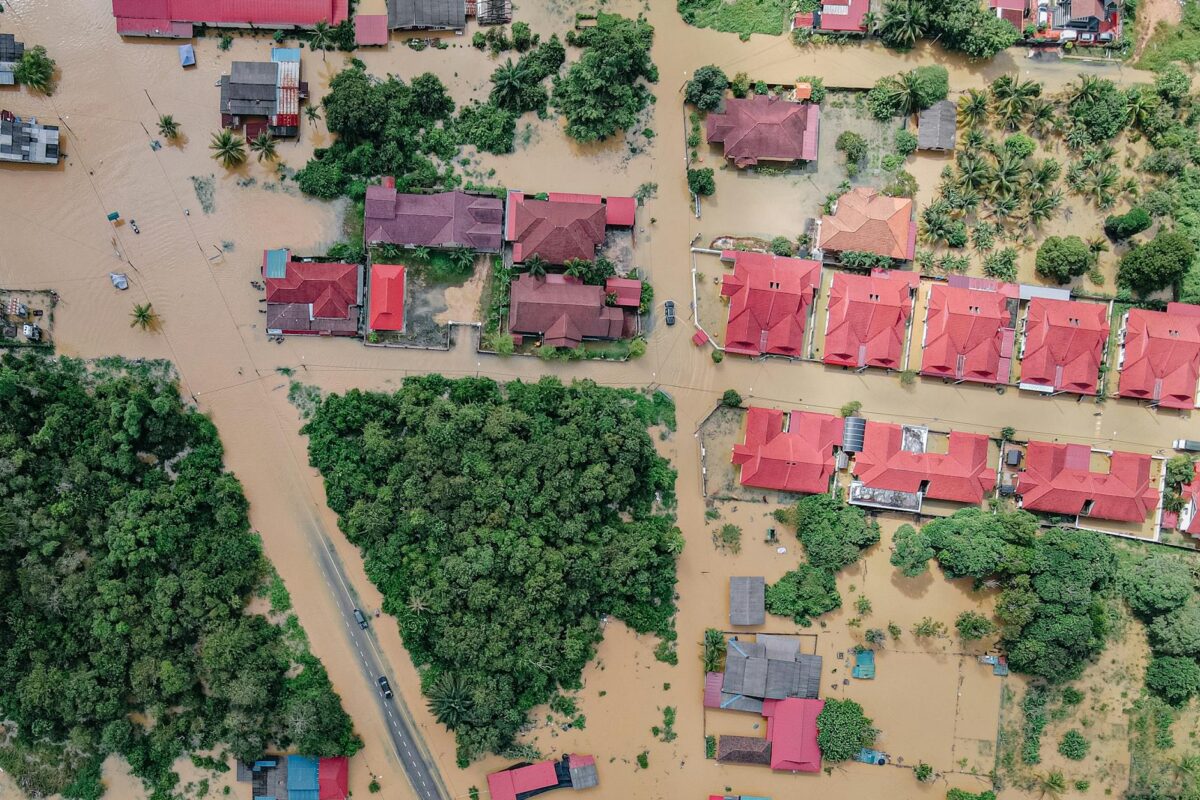
Flood damage is also excluded from standard policies. If rising water causes your roof to leak, you need a separate National Flood Insurance Program (NFIP) policy. FEMA paid out over $627 million in flood claims in 2024 alone.
Roof Leak Insurance Claim Costs and Denial Statistics
Roof repair costs have risen sharply in recent years. The average residential roof replacement now costs $17,631 as of 2025. That figure is up 33.3% from the 2021–2024 average. Smaller repairs range from $350 to $1,900, while storm damage repairs can exceed $6,500. Total roof claims across the U.S. reached $23 billion in 2025, according to Verisk data.
Despite these high costs, many roof leak insurance claims get denied. Inadequate documentation accounts for approximately 40% of property damage claim denials. Other common denial reasons include pre-existing damage, poor maintenance history, and cosmetic-only damage classifications. As a result, homeowners must prepare thoroughly before filing.
| Denial Reason | What Insurers Say | How to Prevent It |
|---|---|---|
| Wear and tear | Damage is age-related, not storm-caused | Keep annual inspection records |
| Gradual leak | Leak developed over time from neglect | Fix small issues immediately |
| Insufficient documentation | Not enough evidence of sudden damage | Photograph everything within 24 hours |
| Late reporting | Claim filed past the policy deadline | Report within 48 hours of discovery |
| Policy exclusion | Wind or named-storm exclusion applies | Review your declarations page annually |
Typically, coastal states like Florida have additional wind exclusions that can eliminate roof leak insurance coverage entirely. Check your policy’s declarations page to confirm which perils apply to your home.
How to File a Roof Leak Insurance Claim Successfully
The claims process requires careful timing and documentation. First, inspect the damage safely and photograph everything from multiple angles. Do not make permanent repairs before an adjuster visits. However, you should make temporary fixes to prevent further damage. Cover holes with tarps and collect water in buckets. Save receipts for these emergency measures.
Next, report the damage to your insurer within 48 hours. Delays give companies grounds to limit or deny your roof leak insurance claim. Then hire a licensed roofing contractor to provide an independent inspection report and written estimate. Have your contractor present during the adjuster’s visit. This ensures damage is not underestimated or misclassified as cosmetic.
If your roof leak insurance settlement seems too low, you have options. Request a re-inspection with a different adjuster. Hire a public adjuster to negotiate on your behalf. You can also file a complaint with your state insurance department through the NAIC. In most cases, having professional documentation and a contractor’s report strengthens your position significantly.
🏠 Get Free Home Insurance Guides
Free · No spam · Unsubscribe anytime
Frequently Asked Questions
Does homeowners insurance cover a roof leak from an old roof?
Typically, no. Standard roof leak insurance only covers sudden and accidental damage from named perils like storms or fallen trees. However, if a covered event damages an older roof, the claim may still be valid. The cause of the leak matters more than the age of the roof.
How long do I have to file a roof leak insurance claim?
Most policies require you to report damage within 48 to 72 hours of discovery. For example, if you notice a leak after a storm, contact your insurer that same day. Late reporting is one of the top reasons insurers deny claims entirely.
What if my roof leak insurance claim is denied?
You can dispute the denial by requesting a written explanation and submitting additional documentation. In most cases, hiring a public adjuster or getting a second contractor opinion helps. As a result, many initially denied claims are later approved on appeal or re-inspection.
Compare Home Insurance Rates
Ready to see if you could be paying less for homeowners insurance? Compare quotes from top insurers in your area. Getting multiple quotes is the most effective way to find a better rate.
(paid link)
Official Sources & Resources
For verified information on home insurance regulations and consumer protection:
- NAIC (National Association of Insurance Commissioners): naic.org
- Insurance Information Institute: iii.org
- FEMA (Federal Emergency Management Agency): fema.gov
- FloodSmart (National Flood Insurance Program): floodsmart.gov
- USA.gov — Housing: usa.gov/housing
Content last reviewed May 2026. If you notice any outdated information, please contact us.