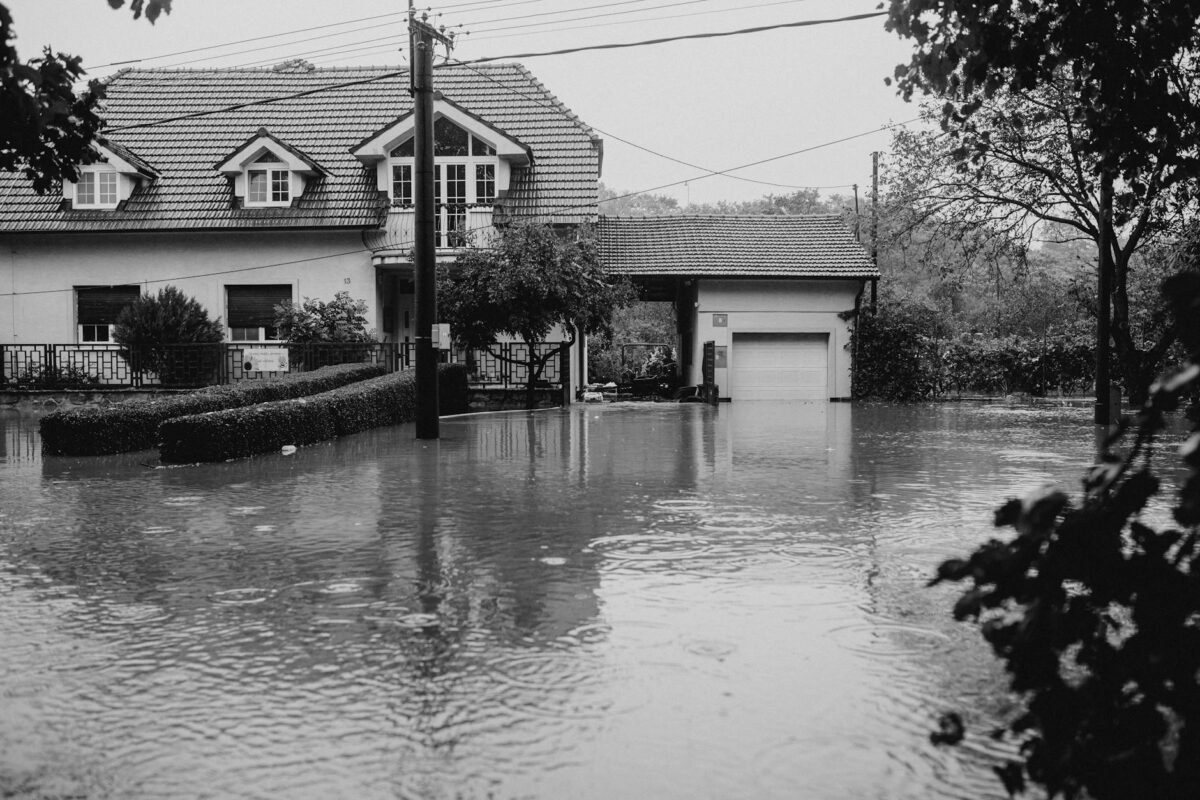
Water vs flood damage may sound like the same thing to most homeowners. However, your insurance company sees them as completely different events. This distinction can mean the difference between a covered claim and a denied one. Standard homeowners insurance typically covers sudden water damage from burst pipes or appliance failures. It does not cover flood damage at all.
According to the Insurance Information Institute, only about 27% of American homeowners carry flood insurance. That leaves millions of families exposed to devastating losses. The average flood claim through the National Flood Insurance Program tops $82,000. Understanding the water vs flood damage distinction before disaster strikes could save you tens of thousands of dollars.
How Insurance Companies Define Water vs Flood Damage
Your homeowners policy draws a clear line between water damage and flood damage. Water damage covered by standard policies comes from inside your home or from above. For example, a burst pipe, a leaking water heater, or an ice dam on your roof would typically be covered. These are sudden, accidental events that originate within the property itself.
Flood damage is defined very differently. FEMA defines a flood as a temporary inundation of two or more acres of normally dry land. This includes overflowing rivers, storm surge, heavy rainfall runoff, and snowmelt. In most cases, any water that enters your home from the ground up is considered flood damage. Your standard homeowners policy will not pay for it. As a result, you need a separate flood insurance policy to protect against these events.
Sewer and drain backups add another layer of confusion to the water vs flood damage issue. Typically, neither your homeowners policy nor flood insurance covers sewer backup. You need a separate endorsement, which usually costs $40 to $100 per year. About 1 in 60 insured homes files a water damage claim each year, according to the III. Knowing exactly what triggers each type of coverage is essential.
Water vs Flood Damage: Comparing Costs and Coverage
The financial gap between water damage and flood damage claims is significant. A typical homeowners water damage claim averages around $6,700. However, the average NFIP flood claim from 2020 to 2024 was $82,614. That difference highlights why separate flood coverage matters so much. Hurricane Helene alone generated over $4.5 billion in NFIP claims across 57,400 affected properties in 2024.
| Feature | Water Damage (Homeowners Policy) | Flood Damage (Flood Policy) |
|---|---|---|
| Source of water | Inside the home or from above | Outside the home, ground level or rising |
| Average claim | ~$6,700 | ~$82,614 |
| Covered by standard policy | Yes (if sudden and accidental) | No — requires separate policy |
| NFIP building coverage limit | N/A | Up to $250,000 |
| NFIP contents coverage limit | N/A | Up to $100,000 |
| Waiting period | None | 30 days for NFIP policies |
| Average annual premium | Included in homeowners policy | ~$1,077 (NFIP average) |
The water vs flood damage cost difference also extends to what is not covered. Gradual leaks from neglected plumbing are excluded from homeowners policies. Similarly, flood policies do not cover damage to landscaping, pools, or detached structures unless you purchase additional coverage. In most cases, understanding these exclusions before filing a claim prevents costly surprises.
Steps to Protect Your Home From Both Water and Flood Damage
Closing the water vs flood damage coverage gap requires action on multiple fronts. First, review your homeowners policy to confirm what water damage scenarios are covered. Ask your agent specifically about sewer backup endorsements. Approximately 64% of homeowners believe their home is not at flood risk, according to a 2023 Munich Re survey. However, flooding can happen anywhere, not just in high-risk zones.
Second, consider purchasing flood insurance even if you are not in a designated flood zone. NFIP policies are available through about 79 participating insurance companies. Private flood insurance is also growing rapidly. Keep in mind the 30-day waiting period for new NFIP policies. You cannot buy flood insurance during a storm warning and expect immediate coverage. For example, if hurricane season starts June 1, purchasing a policy by late April ensures you are covered in time.
Third, take preventive steps inside your home. Install water leak detectors near water heaters, washing machines, and under sinks. Maintain your plumbing to avoid gradual damage that your policy will not cover. As a result of these combined steps, you can address both sides of the water vs flood damage equation and avoid being caught without protection.
🏠 Get Free Home Insurance Guides
Free · No spam · Unsubscribe anytime
Frequently Asked Questions
Does homeowners insurance cover water damage from a burst pipe?
Yes, in most cases. Standard homeowners insurance covers sudden and accidental water damage from burst pipes. However, if the damage resulted from gradual leaking or neglected maintenance, your claim will likely be denied. The water vs flood damage distinction does not apply here since burst pipes are considered internal water damage.
Do I need flood insurance if I don’t live in a flood zone?
Flood insurance is strongly recommended for all homeowners. Over 25% of all NFIP claims come from properties outside high-risk flood zones. Typically, policies in lower-risk areas cost significantly less. The water vs flood damage gap means your homeowners policy will never cover rising water, regardless of your location.
Why is there a 30-day waiting period for flood insurance?
The NFIP 30-day waiting period prevents homeowners from buying coverage only when a storm is approaching. For example, you cannot purchase a policy the day before a hurricane and file a claim the next day. However, exceptions exist when a mortgage lender requires the policy at closing or when a flood map is revised to include your property.
Compare Home Insurance Rates
Ready to see if you could be paying less for homeowners insurance? Compare quotes from top insurers in your area. Getting multiple quotes is the most effective way to find a better rate.
(paid link)
Official Sources & Resources
For verified information on home insurance regulations and consumer protection:
- NAIC (National Association of Insurance Commissioners): naic.org
- Insurance Information Institute: iii.org
- FEMA (Federal Emergency Management Agency): fema.gov
- FloodSmart (National Flood Insurance Program): floodsmart.gov
- USA.gov — Housing: usa.gov/housing
Content last reviewed June 2026. If you notice any outdated information, please contact us.