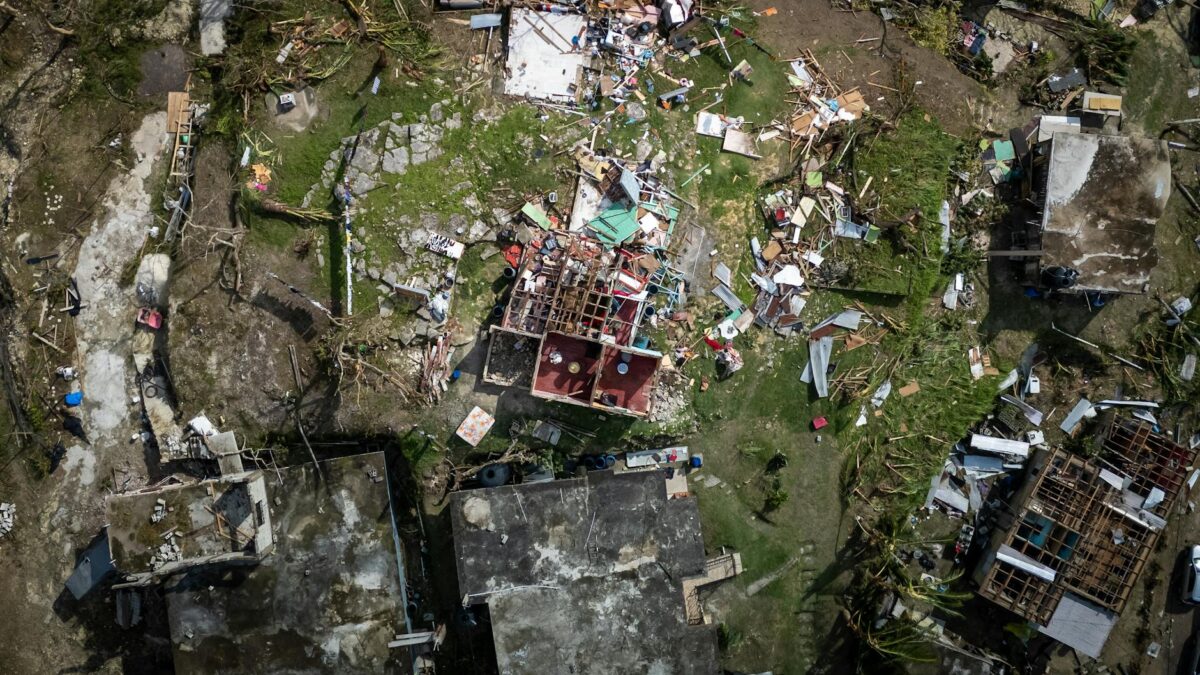
Tornado insurance claims are among the most complex and costly homeowner filings in the United States. In 2025, severe convective storms — including tornadoes — generated over $51 billion in insured losses for the third consecutive year, according to the Insurance Information Institute.
With NOAA confirming 1,796 tornadoes in 2024 alone — the second-highest total on record — more homeowners than ever face tornado insurance claims each season. The 2026 season has already produced an EF5 tornado in Wells County, Indiana, with 200-plus mph winds. Understanding the claims process is essential for protecting your home and finances. Tornado insurance claims require fast action, thorough documentation, and a clear understanding of your policy.
What Standard Home Insurance Covers After a Tornado
Most standard homeowners insurance policies cover tornado damage under the windstorm peril. This includes four main areas of protection. Dwelling coverage pays to repair or rebuild your home’s structure. Personal property coverage replaces damaged furniture, electronics, and clothing. Other structures coverage protects detached garages, sheds, and fences. Loss of use coverage pays for temporary housing while your home is uninhabitable.
However, there is a critical gap many homeowners overlook. Flood damage caused by tornado-driven rain is not covered by standard homeowners insurance. You need a separate NFIP flood policy for that protection. Vehicle damage also requires auto comprehensive coverage. As a result, tornado insurance claims often reveal these coverage gaps after the storm has already hit.
Understanding Wind and Hail Deductibles for Tornado Insurance Claims
Your out-of-pocket cost after a tornado depends on your deductible type. Many homeowners are surprised to learn they have a percentage-based wind deductible instead of a flat dollar amount. Currently, 19 states plus Washington, D.C. mandate special windstorm deductibles. In most cases, these range from 1% to 5% of your dwelling coverage limit.
For example, a 2% wind deductible on a $350,000 home means you pay $7,000 before insurance kicks in. In Texas, the average wind and hail deductible is $7,761, according to Insurify. Louisiana averages $5,991, and North Carolina averages $5,584. The average wind and hail claim is approximately $11,695 nationwide. This means a percentage-based deductible could consume most of your payout on smaller tornado insurance claims.
| State | Avg. Wind/Hail Deductible | Common Deductible Type |
|---|---|---|
| Texas | $7,761 | 2% percentage-based |
| Louisiana | $5,991 | 2–5% percentage-based |
| North Carolina | $5,584 | 2% percentage-based |
| Oklahoma | Varies | 2% now dominant |
| Midwest (general) | $1,000–$2,500 | Shifting from flat to 1–2% |
How to File Tornado Insurance Claims Successfully
Speed matters after a tornado. You should file your claim within 36 hours if possible. Start by photographing and recording video of all damage immediately. Take wide shots of every side of your home first. Then capture close-ups of each damaged area, including serial numbers on appliances. Do not discard any damaged items until an adjuster inspects them. Typically, an adjuster will visit within 3 to 5 days of filing.
Make temporary repairs to prevent further damage, such as tarping the roof or boarding windows. Keep all receipts for these emergency repairs. Your insurance company will reimburse reasonable temporary repair costs. Additionally, save every receipt for hotels, meals, and other living expenses. These fall under your loss of use coverage. Tornado insurance claims are strongest when supported by detailed, timestamped documentation from the very first day.
Processing times vary significantly based on damage severity. Simple wind claims typically settle in 2 to 4 weeks. However, complex structural damage can take 30 to 90 days or longer. Many states require insurers to acknowledge your claim within 15 days. They must accept or deny it within 30 days. After major tornado outbreaks, expect delays — a St. Louis Public Radio investigation found homeowners still fighting insurers months after tornado damage in 2025.
When Insurance Falls Short: FEMA and Other Options
If your tornado insurance claims payout does not cover your losses, federal assistance may be available. In 2024, FEMA issued 90 major disaster declarations — nearly double the annual average of 55. Between 2019 and 2024, FEMA obligated $2.8 billion for tornado-related disaster assistance, according to a GAO report. You can apply at DisasterAssistance.gov if a federal disaster has been declared for your area.
Tornado insurance claims can also be supplemented through state-level programs. Some states offer wind pools or fair-access insurance plans for high-risk areas. In addition, review your policy annually before tornado season begins. Confirm your dwelling coverage matches current rebuilding costs. Check whether your deductible is flat or percentage-based. These steps can prevent costly surprises when tornado insurance claims become a reality.
🏠 Get Free Home Insurance Guides
Free · No spam · Unsubscribe anytime
Frequently Asked Questions
Does homeowners insurance cover all tornado damage?
Standard policies cover wind damage to your home, belongings, and other structures. However, flood damage from tornado-related rain requires a separate flood insurance policy. As a result, tornado insurance claims may not cover all losses without additional coverage in place.
How long does it take to settle tornado insurance claims?
Simple claims typically settle in 2 to 4 weeks. For major structural damage, expect 30 to 90 days or longer. In most cases, your state requires the insurer to respond within 15 to 30 days of filing.
What should I do immediately after a tornado damages my home?
Photograph all damage before making any temporary repairs. Then file your tornado insurance claims within 36 hours. Keep every receipt for emergency repairs and temporary living expenses, as these are typically reimbursable under your policy.
Compare Home Insurance Rates
Ready to see if you could be paying less for homeowners insurance? Compare quotes from top insurers in your area. Getting multiple quotes is the most effective way to find a better rate.
(paid link)
Official Sources & Resources
For verified information on home insurance regulations and consumer protection:
- NAIC (National Association of Insurance Commissioners): naic.org
- Insurance Information Institute: iii.org
- FEMA (Federal Emergency Management Agency): fema.gov
- FloodSmart (National Flood Insurance Program): floodsmart.gov
- USA.gov — Housing: usa.gov/housing
Content last reviewed June 2026. If you notice any outdated information, please contact us.