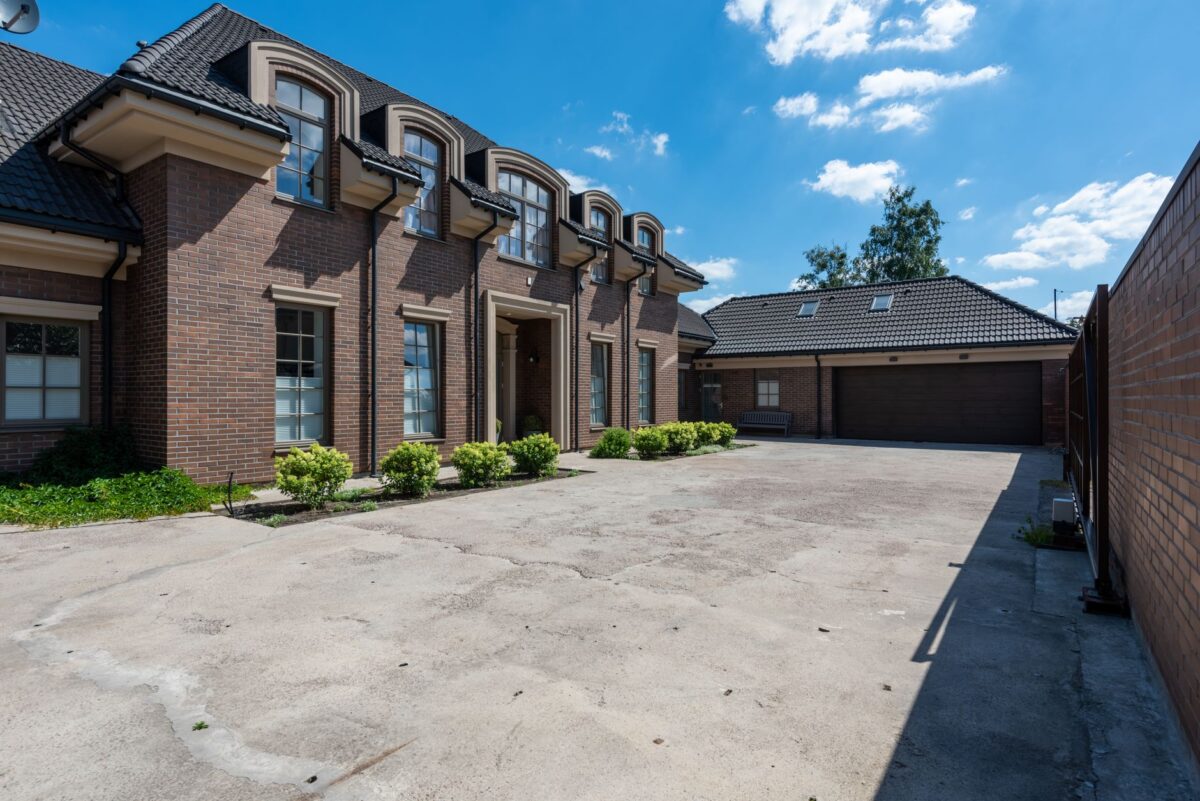
Detached garage insurance falls under a specific part of your homeowners policy called Coverage B, or “other structures.” A detached garage sits apart from your main home. As a result, insurers treat it differently than an attached garage. Understanding detached garage insurance matters because a standalone structure often holds thousands of dollars in value.
Many homeowners assume their standard policy fully protects it. In most cases, it does — but only up to a limit. This guide explains how detached garage insurance works, what it covers, and how to avoid coverage gaps. Whether you store cars, tools, or run a hobby workshop, the details below help you protect your investment.
How detached garage insurance fits your policy
Your detached garage is not physically connected to your house. Because of this, it is insured under Coverage B (Other Structures) rather than Coverage A (Dwelling). Fences, sheds, gazebos, and detached workshops fall under the same category. Coverage B protects the structure itself — walls, foundation, and roof.
Typically, insurers set the Coverage B limit at 10% of your dwelling coverage. For example, if your home is insured for $300,000, your other structures limit is $30,000. However, that amount is shared. It must cover your garage, shed, fence, and any other detached structures on the property. As a result, a large workshop can quickly exhaust the standard limit.
Detached garage insurance covers the same perils as your home. These include fire, windstorm, hail, lightning, and vandalism. However, flood and earthquake damage are excluded from standard policies. You would need separate coverage for those events.
What detached garage insurance does and does not cover
Coverage B pays to repair or rebuild the structure after a covered loss. It does not cover the contents inside. Tools, lawnmowers, sporting gear, and stored items fall under Coverage C (Personal Property). Vehicles parked in the garage are never covered by a homeowners policy — auto insurance handles those.
Your detached garage typically shares the same deductible as your dwelling. For example, with a $1,000 deductible, you pay the first $1,000 of any claim. The table below shows how the 10% rule applies at common dwelling limits.
| Dwelling Coverage (A) | Standard Other Structures Limit (B) |
|---|---|
| $200,000 | $20,000 |
| $300,000 | $30,000 |
| $400,000 | $40,000 |
| $500,000 | $50,000 |
Business use is a major exclusion. If you run a workshop or business out of the garage, standard detached garage insurance generally will not cover it. You must add a specific endorsement. For a real business, a commercial policy or in-home business endorsement is required.
How to fix gaps in your detached garage insurance
Start by estimating the full rebuild cost of your detached garage or workshop. Include the foundation, framing, roofing, electrical, and any finished interior. A modern two-car detached garage can cost $30,000 to $50,000 or more to rebuild. Compare that figure to your current Coverage B limit.
If the rebuild cost exceeds 10% of your dwelling coverage, ask your insurer to increase the limit. Most companies let you raise Coverage B for a modest premium increase. This is common for large workshops, detached apartments, or high-value outbuildings.
Next, address the contents and use. Cover valuable tools and equipment under Coverage C, and consider scheduled personal property for expensive items. If you use the space for any income-producing activity, ask about a business endorsement. Finally, document everything. Take dated photos and keep receipts. In most cases, good records speed up claims and prevent disputes after a loss.
Detached garage insurance and workshop considerations
Workshops raise unique concerns. Power tools, welding equipment, and electrical upgrades increase both value and risk. Typically, hobby use is covered, but commercial use is not. Draw a clear line between the two.
For example, building furniture as a hobby is usually fine. Selling that furniture for profit crosses into business territory. As a result, you may need extra protection. Detached garage insurance also rewards good maintenance. Insurers may reduce payouts for damage caused by neglect, rot, or poor upkeep.
🏠 Get Free Home Insurance Guides
Free · No spam · Unsubscribe anytime
Frequently Asked Questions
Does homeowners insurance automatically cover a detached garage?
Yes, in most cases. Detached garage insurance is included under Coverage B (Other Structures). However, it is typically limited to 10% of your dwelling coverage, and that limit is shared with other structures.
Is a workshop in my detached garage covered?
Hobby use is typically covered. However, business or commercial use is generally excluded. You must add an endorsement or a commercial policy for detached garage insurance to protect a working business.
Are the tools and items inside my detached garage covered?
Not under Coverage B. The structure is covered, but contents fall under Coverage C (Personal Property). As a result, valuable tools may need separate or scheduled coverage for full protection.
How much detached garage insurance do I need?
Base it on the full rebuild cost. If your garage costs more than 10% of your dwelling limit to rebuild, increase Coverage B. Typically, this small premium increase prevents a large out-of-pocket loss.
Compare Home Insurance Rates
Ready to see if you could be paying less for homeowners insurance? Compare quotes from top insurers in your area. Getting multiple quotes is the most effective way to find a better rate.
(paid link)
Official Sources & Resources
For verified information on home insurance regulations and consumer protection:
- NAIC (National Association of Insurance Commissioners): naic.org
- Insurance Information Institute: iii.org
- FEMA (Federal Emergency Management Agency): fema.gov
- FloodSmart (National Flood Insurance Program): floodsmart.gov
- USA.gov — Housing: usa.gov/housing
Content last reviewed July 2026. If you notice any outdated information, please contact us.