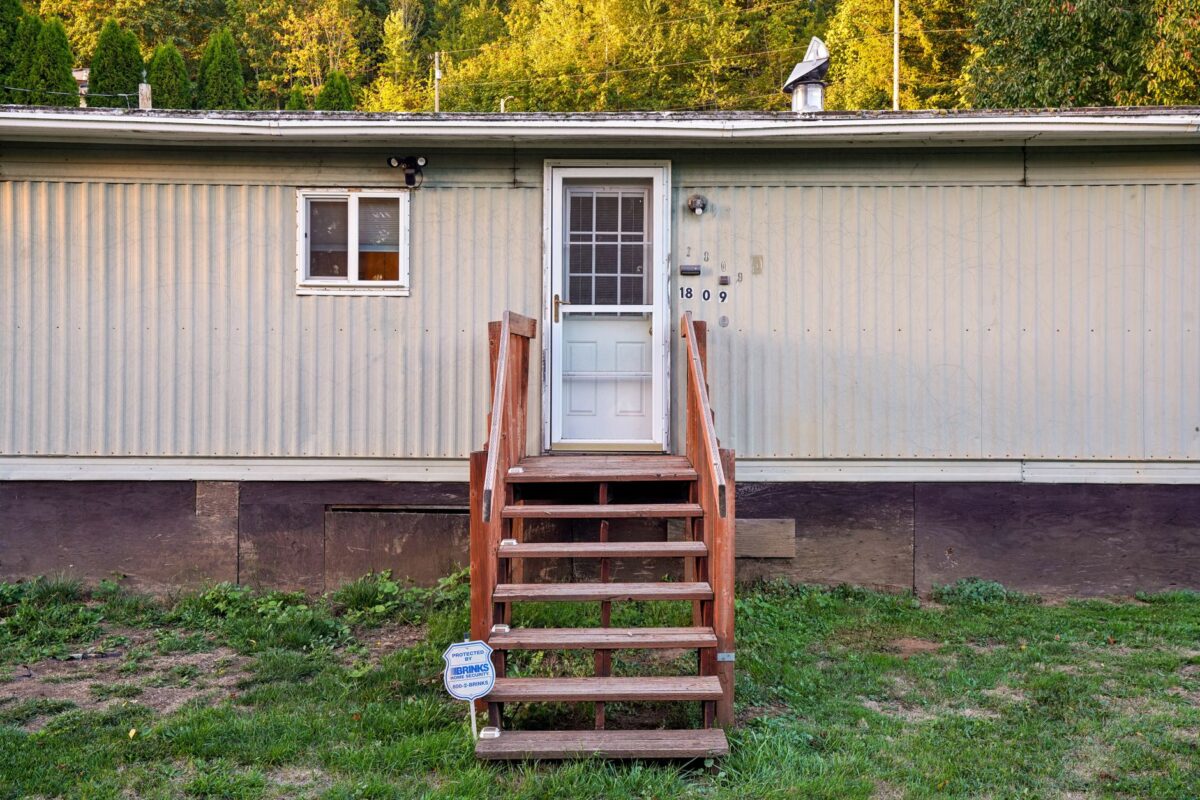
A single family rental is one of the most common investment properties in America, and it needs its own insurance policy. Your standard homeowners policy will not cover it. Once tenants move in, most HO-3 policies stop responding to claims. Insurers treat an owner-occupied house and a rented house as two different risks.
As a result, you need a landlord policy, usually written on a DP-3 dwelling fire form. This matters more than ever in 2026. Repair costs are up, liability awards are climbing, and rent loss after a fire can wipe out a year of returns. Understanding how a single family rental is insured protects both your building and your income stream.
Why a single family rental needs a landlord policy
The moment you hand over keys, your occupancy status changes. Homeowners policies are written for owner-occupied homes only. However, many landlords discover this after a claim is denied. The Insurance Information Institute confirms that renting out a home generally requires a landlord or dwelling fire policy instead.
The workhorse policy for a single family rental is the DP-3, also called the special form. It is an open-perils policy on the structure. That means it covers any cause of loss unless the policy specifically excludes it. Typically it pays replacement cost on the dwelling rather than depreciated value. Common exclusions include flood, earthquake, war, mold, rot, and ordinary wear.
A landlord policy also drops coverage you no longer need. For example, it carries little or no personal property coverage, since the contents belong to your tenant. In its place, you gain protections a homeowners policy never offers, such as fair rental value and landlord liability.
What the policy covers and what it costs
A DP-3 is built from lettered coverage parts. Each one does a specific job. Knowing the letters helps you read your declarations page quickly.
| Coverage | What it protects |
|---|---|
| A — Dwelling | The rental house itself, at replacement cost |
| B — Other structures | Detached garage, fence, shed |
| C — Personal property | Only items you own, such as appliances |
| D — Fair rental value | Lost rent while the home is unlivable |
| E — Liability | Injury or damage claims from tenants and guests |
| F — Medical payments | Small medical bills, no fault required |
Costs vary widely by state. In 2026, insuring a single family rental typically runs $800 to $2,500 per year. Most mid-market properties land between $1,000 and $1,500. The national average sits near $1,478 annually. That is roughly 15% to 25% more than a comparable homeowners policy on the same house. Arkansas, California, Florida, Louisiana, and Texas have seen the steepest increases.
Fair rental value deserves special attention. In most cases it pays up to 12 months of lost rent after a covered loss. If your single family rental brings in $2,000 a month, that is $24,000 of protection you would otherwise fund yourself.
Gaps that catch landlords off guard
Flood is the largest gap. No DP-3 covers rising water. Landlords must buy a separate policy through the National Flood Insurance Program or a private carrier. NFIP premiums average roughly $1,122 per year nationally. Low and moderate risk zones average just under $1,100, while high-risk coastal properties exceed $1,600.
Vacancy is the second trap. Most policies restrict or void coverage once a home sits empty beyond 30 or 60 days. If you are between tenants or mid-renovation, call your agent and add a vacancy permit endorsement. Otherwise a fire during turnover may not be paid.
Liability limits are the third issue. Base landlord policies often start at $100,000 or $300,000. That is thin for a rental. Many owners raise the limit to $500,000 and add an umbrella policy, which costs roughly $200 to $350 per year for an extra $1 million of protection.
Steps to take before your next renewal
Start by pulling your declarations page. Confirm the policy form says DP-3 and not DP-1, which is a bare-bones named-perils form paying actual cash value. Check that Coverage A reflects current rebuild cost, not market value or your purchase price. Construction costs have risen sharply, so a limit set five years ago is likely too low.
🏠 Get Free Home Insurance Guides
Free · No spam · Unsubscribe anytime
Next, require renters insurance in your lease. Ask for at least $100,000 in tenant liability coverage and name yourself as an additional interested party. This shifts tenant-caused losses onto their carrier and keeps your loss history clean. For example, a tenant’s kitchen fire may be paid by their policy instead of yours.
Finally, document upgrades. A new roof, updated electrical panel, water leak sensors, and a monitored alarm all reduce premiums. Ask about raising your deductible from $1,000 to $2,500, which often trims 10% to 15%. Then shop at least three quotes, since pricing for a single family rental varies enormously between carriers.
Frequently Asked Questions
Can I just keep my homeowners policy after I rent the house out?
No, and doing so risks a denied claim. Homeowners forms require owner occupancy. Notify your insurer and convert to a landlord policy before the tenant moves in.
Does landlord insurance cover my tenant’s furniture?
It does not. Coverage C on a single family rental policy applies only to property you own, such as appliances or lawn equipment. Tenants need their own renters insurance, which typically costs $15 to $25 per month.
How much liability coverage should a landlord carry?
Most advisors suggest at least $500,000 for a single family rental. However, if you own several properties or have significant assets, add a $1 million umbrella. The extra cost is usually under $30 per month.
Compare Home Insurance Rates
Ready to see if you could be paying less for homeowners insurance? Compare quotes from top insurers in your area. Getting multiple quotes is the most effective way to find a better rate.
(paid link)
Official Sources & Resources
For verified information on home insurance regulations and consumer protection:
- NAIC (National Association of Insurance Commissioners): naic.org
- Insurance Information Institute: iii.org
- FEMA (Federal Emergency Management Agency): fema.gov
- FloodSmart (National Flood Insurance Program): floodsmart.gov
- USA.gov — Housing: usa.gov/housing
Content last reviewed July 2026. If you notice any outdated information, please contact us.