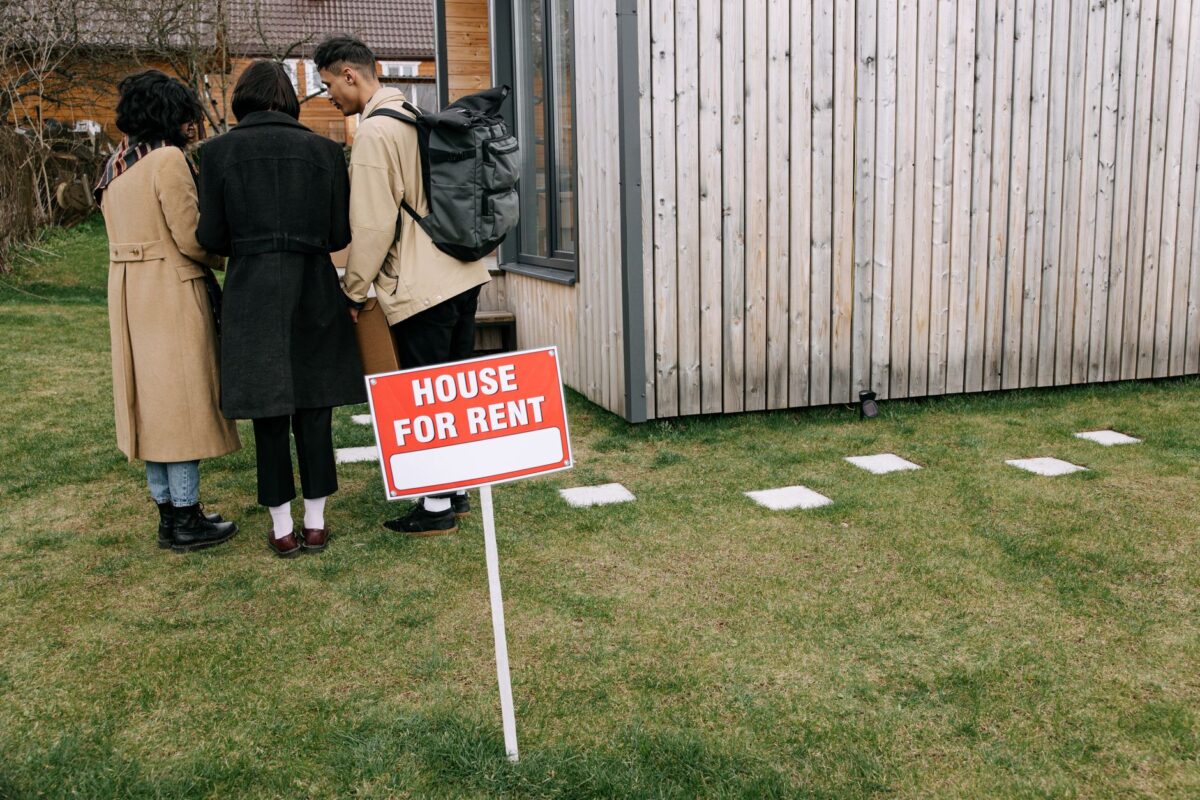
landlord vs renters insurance is one of the most misunderstood matchups in property coverage. Many rental property owners assume one policy protects everything. It does not. A landlord policy covers the building, the owner’s liability, and lost rental income. A renters policy covers the tenant’s belongings and the tenant’s personal liability.
However, the gap between the two is where expensive surprises live. For example, a kitchen fire can destroy both the cabinets and the tenant’s furniture. Two different policies pay those two claims. Understanding the landlord vs renters split matters before a loss happens, not after. This guide breaks down the landlord vs renters question line by line, with current 2026 costs.
What Each Policy Actually Covers
Landlord insurance is typically written as a dwelling fire policy, often called a DP-3 form. It covers the physical structure against perils like fire, wind, hail, and vandalism. It also includes owner liability protection and loss of rental income. As a result, if a covered fire makes the unit unlivable, the policy replaces the rent the owner loses during repairs. According to the Insurance Information Institute, landlord policies may also cover appliances the owner supplies, such as a refrigerator or washer.
Renters insurance covers three things for the tenant. First, personal property — furniture, clothing, and electronics. Second, personal liability if the tenant injures someone or damages property. Third, additional living expenses if the unit becomes unlivable after a covered loss. A standard policy carries $30,000 in property coverage and $100,000 in liability. In most cases, the deductible is around $500. The landlord vs renters divide is simple at its core. The owner insures the building. The tenant insures what is inside it and their own legal risk.
Landlord vs Renters Insurance: Cost and Coverage Breakdown
The price difference between the two policies is dramatic. Landlord insurance averages about $1,478 per year in 2026, up roughly 9% year over year. That is 15% to 25% more than a comparable homeowners policy. Rental properties carry more risk, so insurers charge more. Renters insurance, by contrast, averages just $151 to $216 per year — about $13 to $18 per month. For example, a tenant can often buy $30,000 in property protection for less than a streaming subscription.
| Coverage | Landlord Policy | Renters Policy |
|---|---|---|
| Building structure | Yes | No |
| Tenant’s belongings | No | Yes |
| Owner’s liability | Yes | No |
| Tenant’s liability | No | Yes |
| Lost rental income | Yes | No |
| Tenant’s hotel costs | No | Yes |
| Average annual cost (2026) | ~$1,478 | ~$151–$216 |
The landlord vs renters cost gap reflects what each policy protects. A building is worth hundreds of thousands of dollars. A tenant’s belongings usually total far less. However, neither policy covers flood damage. Flood coverage requires a separate policy through the National Flood Insurance Program or a private insurer. That rule applies on both sides of the landlord vs renters line.
Common Gaps That Cost Real Money
The most dangerous gap involves tenant belongings. Many tenants assume the landlord’s policy covers their property. It does not. If a pipe bursts and ruins a tenant’s $3,000 in electronics, the landlord policy pays nothing for those items. Typically, the tenant absorbs the full loss without renters coverage. This is the landlord vs renters misunderstanding that hurts tenants most often.
Owners face gaps too. A standard landlord policy may exclude tenant-caused damage beyond specific perils. Intentional damage by a tenant often requires an endorsement. In most cases, short-term rentals also need different coverage entirely. Renting through Airbnb or Vrbo under a standard DP-3 policy can void claims. Additionally, an owner who lets a property sit vacant for 30 to 60 days may lose coverage. Vacancy clauses are strict, and insurers enforce them.
Liability gaps run in both directions as well. For example, if a guest trips on a broken porch step, the owner’s liability coverage responds. However, if the tenant’s dog bites a visitor inside the unit, the tenant’s renters policy responds. When both parties carry proper coverage, the landlord vs renters system works cleanly. When one side is uninsured, lawsuits and finger-pointing follow.
What Landlords and Tenants Should Do Now
Property owners should take three steps. First, confirm the policy is a true landlord or dwelling fire policy, not a homeowners policy. Insurers can deny claims on a home that was quietly converted to a rental. Second, verify the policy includes loss of rental income, sometimes called fair rental value coverage. Third, require renters insurance in the lease. Many landlords now mandate $100,000 in tenant liability coverage. As a result, small tenant-caused losses stay off the owner’s claims record.
Tenants should act quickly too. Buy a renters policy before move-in, since coverage starts in minutes online. Choose replacement cost coverage instead of actual cash value, which deducts depreciation. Then document belongings with a phone video, room by room. Typically, this takes ten minutes and speeds up claims dramatically. Finally, both parties should review the landlord vs renters coverage split once a year, because rebuilding costs and possessions change over time.
🏠 Get Free Home Insurance Guides
Free · No spam · Unsubscribe anytime
Frequently Asked Questions
Does landlord insurance cover my tenant’s belongings?
No, it does not. A landlord policy covers the building, the owner’s liability, and lost rent. As a result, tenants need their own renters policy for personal property.
Can a landlord legally require renters insurance?
Yes, in most cases a lease can require renters insurance. Many landlords set a $100,000 liability minimum. However, requirements vary by state, so owners should check local landlord-tenant law.
Which is more expensive in the landlord vs renters comparison?
Landlord insurance costs far more, averaging about $1,478 per year in 2026. Renters insurance typically runs $151 to $216 per year. The landlord vs renters price gap exists because the building is worth much more than the contents.
Compare Home Insurance Rates
Ready to see if you could be paying less for homeowners insurance? Compare quotes from top insurers in your area. Getting multiple quotes is the most effective way to find a better rate.
(paid link)
Official Sources & Resources
For verified information on home insurance regulations and consumer protection:
- NAIC (National Association of Insurance Commissioners): naic.org
- Insurance Information Institute: iii.org
- FEMA (Federal Emergency Management Agency): fema.gov
- FloodSmart (National Flood Insurance Program): floodsmart.gov
- USA.gov — Housing: usa.gov/housing
Content last reviewed July 2026. If you notice any outdated information, please contact us.