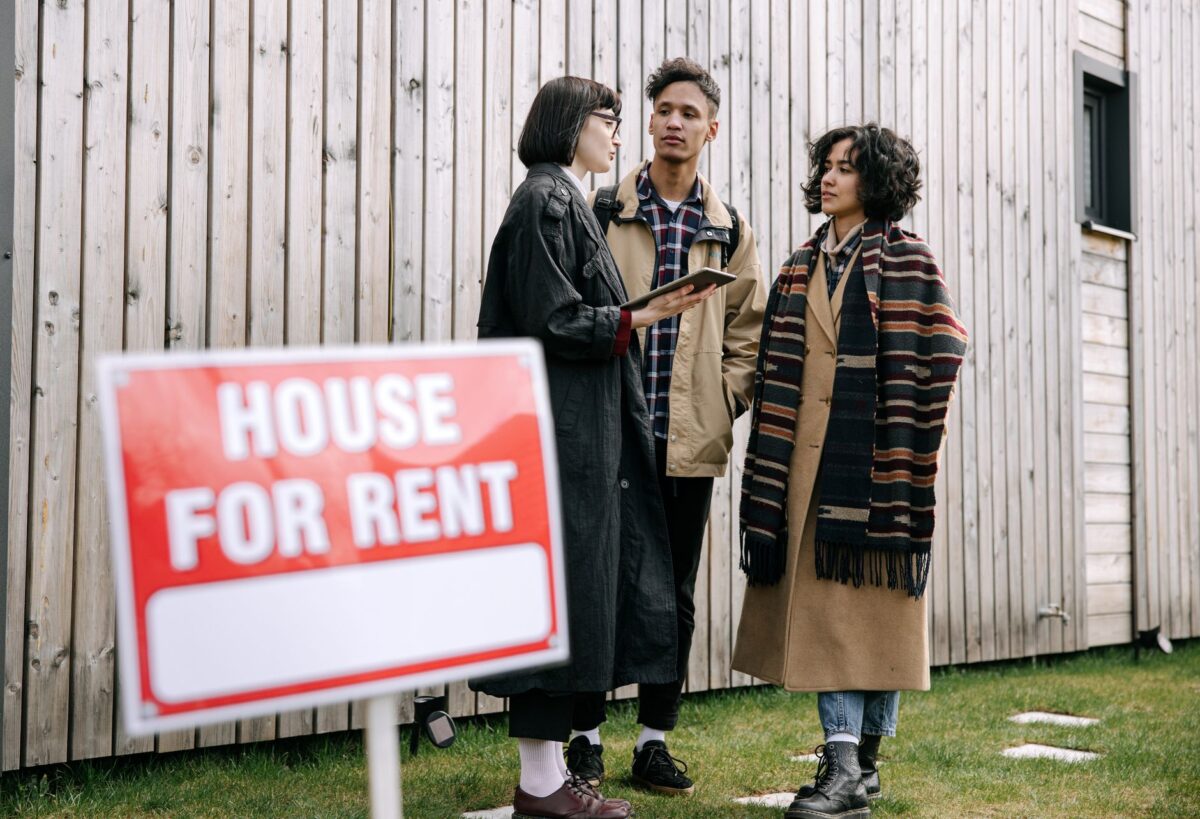
Out of state rental property ownership has become common for everyday investors. Low prices in the Midwest and South pull buyers away from expensive coastal markets. However, buying a home you cannot drive to changes your insurance picture completely. Your existing homeowners policy will not follow you across state lines.
Insurance is regulated state by state, not federally. As a result, the rules, rates, and available carriers in your rental’s state matter far more than the rules where you live. Many first-time landlords learn this after a claim gets denied. This guide explains how coverage works, what it costs, and the steps to insure a property hundreds of miles away.
Why a Homeowners Policy Will Not Cover Your Rental
Standard homeowners policies, called HO-3 forms, require owner occupancy. Once tenants move in, that requirement fails. Insurers can deny claims or void the policy entirely. For an out of state rental, you need a landlord policy instead. These are usually written on a dwelling fire form: DP-1, DP-2, or DP-3.
DP-3 is the broadest option. It covers the structure on an open-perils basis and replaces damage at replacement cost. DP-1 is the most basic. It covers named perils only and often pays actual cash value, which subtracts depreciation. For example, a 20-year-old roof might be worth far less than a new one. In most cases, DP-3 is worth the extra premium.
Landlord policies also add coverages homeowners forms lack. Loss of rental income pays your rent while the home is repaired. Liability coverage protects you if a tenant or guest is injured. A $1 million liability limit is standard. Typically, landlord forms include little or no personal property coverage, since the contents belong to your tenant.
What an Out of State Rental Policy Actually Costs
Landlord coverage costs more than homeowners coverage on the same house. The Insurance Information Institute estimates roughly 25% more. Industry data puts the gap at 15% to 25%. That reflects tenant turnover, deferred maintenance, and higher claim frequency in non-owner-occupied homes.
Expect a wide range. A DP-3 policy at a $300,000 dwelling limit typically runs $900 to $1,800 per year. At $500,000, the range widens to $1,400 to $2,800. Nationally, landlord premiums average roughly $2,100 to $4,000 annually, with outliers from about $700 to $8,300. Location drives most of that spread.
| Coverage element | Typical range | Notes |
|---|---|---|
| DP-3 dwelling, $300K limit | $900–$1,800/yr | Standard single-family rental |
| DP-3 dwelling, $500K limit | $1,400–$2,800/yr | Higher in coastal and wildfire states |
| Liability limit | $300K–$1M | $1M is the common landlord standard |
| Loss of rental income | 12 months of rent | Often included; verify the limit |
| NFIP flood policy | $926/yr average | $720 in North Dakota to $1,903 in West Virginia |
Flood deserves separate attention on any out of state rental. No landlord policy covers rising water. FEMA’s National Flood Insurance Program sells coverage separately, and the average NFIP claim paid more than $82,000 between 2020 and 2024. Policies in high-risk zones average above $1,600 per year. There is also a 30-day waiting period before NFIP coverage starts.
How to Insure an Out of State Rental Step by Step
Start with licensing. Your agent must hold a property and casualty license in the state where the property sits, not where you live. Many national carriers and independent agencies handle this easily. However, small local agents often cannot. Ask directly before you get attached to a quote.
Next, check whether admitted carriers will write the risk. Admitted insurers are licensed by that state and backed by its guaranty fund. If carriers have pulled out of the area, you may need surplus lines coverage. Surplus lines insurers are not licensed in the property’s state but are legally allowed to write hard-to-place risks. They cost more and carry no guaranty fund protection, so read the form closely.
Then handle the details that distance makes harder. Confirm dwelling limits reflect local rebuild costs, not your purchase price. Require tenants to carry renters insurance with at least $100,000 in liability and to name you as an additional interested party. Add a property manager as an additional insured on your policy. Finally, verify your state’s filing rules and check the National Association of Insurance Commissioners’ consumer tools before binding an out of state rental policy.
🏠 Get Free Home Insurance Guides
Free · No spam · Unsubscribe anytime
Frequently Asked Questions
Can I add my out of state rental to my current homeowners policy?
No. Homeowners forms require you to live in the home. Typically, your carrier will need to write a separate dwelling fire policy, and it may not be licensed in that state at all.
Do I need an LLC to insure an out of state rental?
An LLC is not required for coverage. However, if you already hold title in an LLC, the policy must be issued in the LLC’s name. For example, a claim can be denied if the named insured does not match the deed.
What happens if I do not tell my insurer the home is rented?
That is material misrepresentation. In most cases, the insurer can deny the claim and cancel the policy retroactively. You would then owe the full repair cost yourself.
Compare Home Insurance Rates
Ready to see if you could be paying less for homeowners insurance? Compare quotes from top insurers in your area. Getting multiple quotes is the most effective way to find a better rate.
(paid link)
Official Sources & Resources
For verified information on home insurance regulations and consumer protection:
- NAIC (National Association of Insurance Commissioners): naic.org
- Insurance Information Institute: iii.org
- FEMA (Federal Emergency Management Agency): fema.gov
- FloodSmart (National Flood Insurance Program): floodsmart.gov
- USA.gov — Housing: usa.gov/housing
Content last reviewed July 2026. If you notice any outdated information, please contact us.