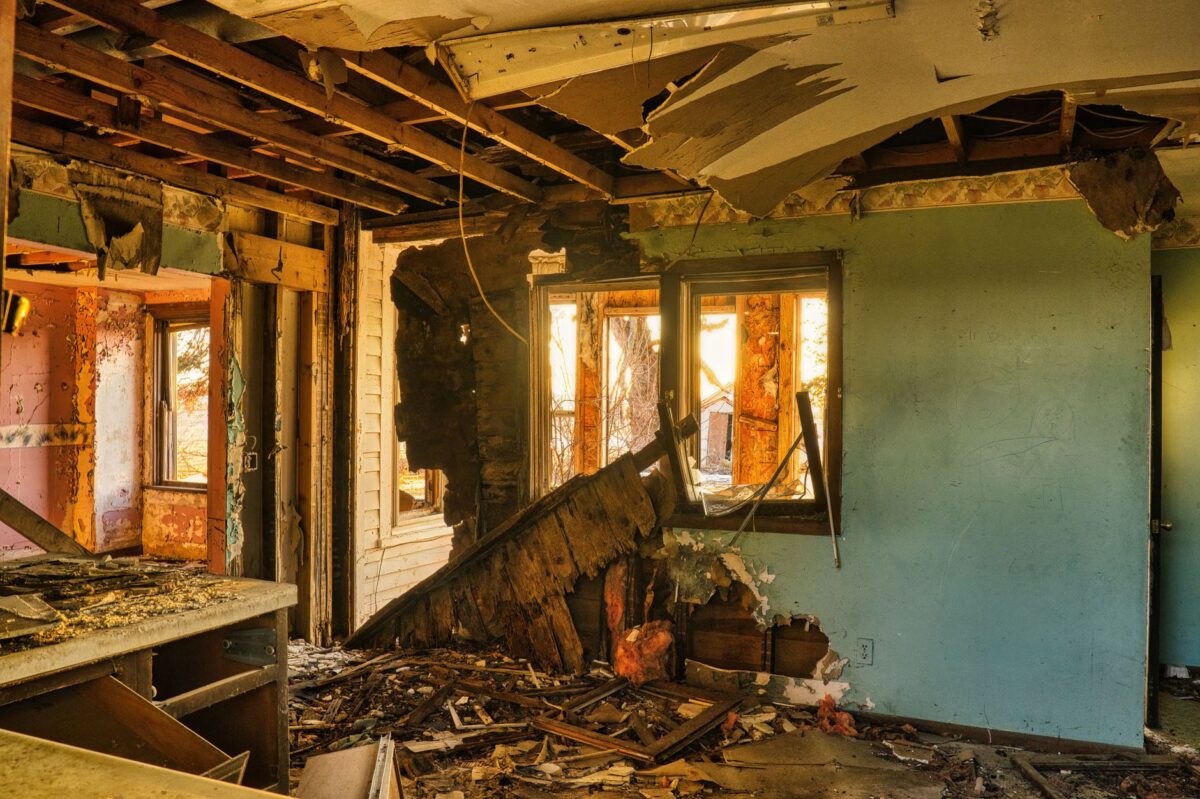
insurance claim adjuster tips matter most when the damage is already done and someone from your insurer is on the way. Maybe a storm opened your roof. Maybe a pipe burst behind a wall. You filed the claim, an adjuster was assigned, and now you are being asked for documents, photos and a recorded statement.
This guide explains what the adjuster actually does, what you should hand over, what you should keep, and how the money gets decided. It is written for a claim that is open right now. No outcome is promised here. What follows is process, paperwork and timing, so you can make each decision with your eyes open.
What “Insurance Claim Adjuster Tips” Means for Your Claim
An adjuster investigates your loss and estimates what the policy owes. Most homeowners deal with a staff adjuster or an independent adjuster hired by the carrier. Either way, that person works for the insurer, not for you. That is not an accusation. It is a job description. Useful insurance claim adjuster tips start from that fact.
The adjuster’s estimate usually becomes the settlement number. If a room, a slope of roof or a damaged item is missing from that estimate, it is missing from your check. As a result, small documentation gaps turn into real dollars. United Policyholders, a nonprofit consumer group, stresses building your own record rather than relying on the carrier’s file.
Be polite and be organized. Those two things are not in tension. In most cases the adjuster is handling dozens of files at once, and the claim that is clean and well documented moves faster. Good insurance claim adjuster tips are mostly about reducing the friction in your own file.
The Step-by-Step Process
Start by reading your declarations page. Find your dwelling limit, your contents limit, your deductible, and whether contents are replacement cost or actual cash value. Then photograph everything before you clean up. Take wide shots and close shots. Keep damaged materials if it is safe to do so.
Next, get your own repair estimate from a licensed contractor. You are allowed to. Compare it line by line against the adjuster’s estimate. Ask about anything missing. Confirm every phone conversation with a short follow-up email. For example: “Confirming we discussed the kitchen ceiling today and you will review the drywall line item.” That email becomes your paper trail.
| Step | What to do | What to keep |
|---|---|---|
| 1. Report | File the claim and write down the claim number | Date, time, name of the person you spoke with |
| 2. Protect | Make emergency repairs to prevent further damage | Receipts, tarps, water extraction invoices |
| 3. Document | Photos and video of every damaged room and item | Dated files, backed up off your phone |
| 4. Inspect | Walk the property with the adjuster; point out each area | Your own notes and photos from that walkthrough |
| 5. Compare | Get an independent contractor estimate | Written estimate with line items |
| 6. Respond | Answer document requests in writing | Copy of everything you sent, and the send date |
| 7. Review | Read the settlement breakdown before cashing anything | The full estimate, not just the check stub |
Ask for the adjuster’s supervisor’s name early. You may never need it. However, having it saves days if your adjuster is reassigned or stops responding.
Deadlines and Why They Vary by State
There is no single national deadline for property insurance claims. Filing windows, acknowledgment times and payment timelines are set state by state, and your policy adds its own terms on top. Some states require an insurer to acknowledge a claim within roughly ten working days. Some require status updates on a set cycle, such as every forty-five days, while an investigation continues. Others set different numbers entirely.
Here is the trap that catches people. Your policy almost certainly contains a “Suit Against Us” clause. It sets a contractual limit on how long you have to sue the insurer, often one to three years, and often measured from the date of loss rather than the date of denial. That clause is frequently shorter than your state’s general statute of limitations for breach of contract. Courts commonly enforce the shorter one. Some states restrict how short it can be, but you cannot assume yours does.
So check two things: your state’s rules and your own policy language. Start with claim deadlines in your state, then read the conditions section of your policy. Typically the clause is a short paragraph that is easy to skim past. Do not skim past it. This is one of the insurance claim adjuster tips that costs the most when ignored.
Common Mistakes That Cost People Money
The most expensive mistake is throwing things away. Once the debris is gone, proving the loss gets much harder. Photograph and inventory before you haul anything off.
The second is accepting the first number without reading the estimate behind it. An initial payment is often partial. Ask whether it is a partial payment, an actual cash value payment with recoverable depreciation held back, or a final settlement. Those are very different things. Ask in writing.
Other common errors: guessing during a recorded statement instead of saying “I don’t know,” missing a document request deadline, doing permanent repairs before the inspection, and letting weeks pass with no written follow-up. For example, a verbal promise to “take another look at the roof” disappears if nobody wrote it down. Practical insurance claim adjuster tips almost always come back to writing things down.
🏠 Get Free Home Insurance Guides
Free · No spam · Unsubscribe anytime
When to Escalate — Adjusters, Complaints and Attorneys
A public adjuster is a licensed professional you hire to handle the claim for you. They typically charge a percentage of the recovery, and several states cap that percentage. Verify the license with your state insurance department, get the fee in writing, and understand what happens if you cancel. United Policyholders publishes a list of questions to ask before hiring one.
If you and the insurer agree damage is covered but disagree on the amount, check your policy for an appraisal clause. Each side picks an appraiser, the two pick an umpire, and the award is generally binding on the amount of loss. Appraisal does not decide coverage. It decides price.
You can also file a complaint with your state department of insurance. It is free, it creates a regulatory record, and it often gets a stalled file moving. When coverage itself is denied, when bad faith is suspected, or when a deadline is approaching, consult a licensed attorney in your state. This article is general information, not legal advice. For more, see all claims and disputes guides.
Frequently Asked Questions
Does the insurance adjuster work for me?
No. Staff and independent adjusters are paid by the insurer. However, they are still bound by state claim handling rules, and most useful insurance claim adjuster tips assume a professional relationship, not an adversarial one.
Do I have to give a recorded statement?
Your policy typically requires cooperation, which can include a statement. For example, you can ask to schedule it, review your notes first, and say “I don’t know” rather than guess.
Can I get more money after I already accepted a check?
Sometimes. In most cases a supplemental claim is possible if new damage is found, but it depends on your state, your policy language, and how the payment was labeled. Among insurance claim adjuster tips, this is one to raise with a professional before you sign anything final.
Compare Home Insurance Rates
Ready to see if you could be paying less for homeowners insurance? Compare quotes from top insurers in your area. Getting multiple quotes is the most effective way to find a better rate.
(paid link)
Official Sources & Resources
For verified information on home insurance regulations and consumer protection:
- NAIC (National Association of Insurance Commissioners): naic.org
- Insurance Information Institute: iii.org
- FEMA (Federal Emergency Management Agency): fema.gov
- FloodSmart (National Flood Insurance Program): floodsmart.gov
- USA.gov — Housing: usa.gov/housing
Content last reviewed August 2026. If you notice any outdated information, please contact us.