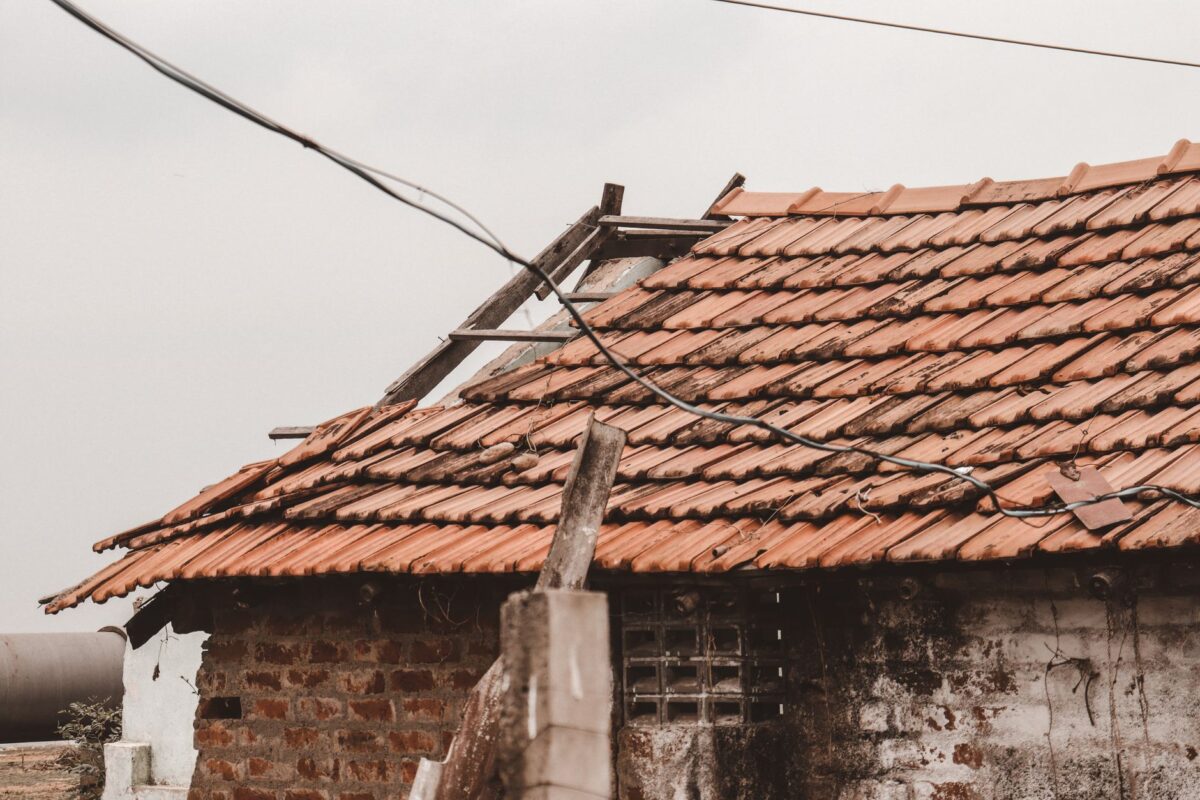
A roof insurance claim denied in the middle of a leaking season feels like a dead end, but it usually is not one. A denial letter is your insurer’s current position on your claim. It is not a court ruling, and it is not final.
Most denials come down to a handful of predictable reasons: the age of the roof, the word “cosmetic,” a maintenance exclusion, a late report, or missing proof that a specific storm caused specific damage. This guide explains what those reasons actually mean, what to do in the first two weeks, and how deadlines work. It also explains when a public adjuster or a licensed attorney is worth the cost.
What “Roof Insurance Claim Denied” Means for Your Claim
A homeowners policy covers sudden, accidental damage. It does not cover a roof wearing out. That single distinction drives most denials. When an adjuster writes that your shingles show granule loss from age, they are saying the loss is excluded, not that you are lying. Your job is to show a covered event caused the damage.
The most common grounds for a roof insurance claim denied are wear and tear, deferred maintenance, pre-existing damage, cosmetic-damage exclusions, and insufficient documentation. Hail claims are often denied on cosmetic grounds. The insurer agrees hail hit the roof, but argues the dents do not affect the roof’s ability to shed water. Some policies now contain an explicit cosmetic-damage endorsement that you agreed to at renewal.
The money at stake is large. Many policies also carry a roof surfacing payment schedule, which pays actual cash value instead of replacement cost on older roofs. So even a partly approved claim can leave you with a five-figure gap. Read your declarations page for wind/hail deductibles, cosmetic exclusions, and any roof schedule before you argue anything.
The Step-by-Step Process
Work in order. The first step is always to get the denial in writing with the specific policy language cited. In most cases, you can request that by email and the insurer must respond. Then rebuild the file the adjuster should have built.
Take dated photos from the ground and, safely, from the roof. Get a written inspection report from a licensed roofer that names the cause of loss and the date. Pull weather data for your address on the storm date. Request the insurer’s full claim file, including the adjuster’s photos and estimate. Then submit a written appeal, or ask for a reinspection by a different adjuster.
| Step | What to do | Document to produce | Typical timing |
|---|---|---|---|
| 1 | Request the written denial with cited policy provisions | Denial letter, declarations page | Days 1–3 |
| 2 | Stop further damage; tarp and keep receipts | Mitigation receipts, photos | Immediately |
| 3 | Get an independent roof inspection | Contractor report naming cause and date of loss | Days 3–14 |
| 4 | Pull storm verification for your address | NOAA/weather report, neighbor claims | Days 3–14 |
| 5 | Request the insurer’s complete claim file | Adjuster photos, estimate, engineer report | Days 7–21 |
| 6 | Submit a written appeal or reinspection request | Appeal letter plus all evidence | After evidence is in hand |
| 7 | Invoke appraisal, file a DOI complaint, or consult counsel | Policy appraisal clause, complaint form | Before any deadline expires |
Deadlines and Why They Vary by State
There is no single national deadline. Notice requirements, insurer acknowledgment and response times, and bad faith standards are all set state by state. Some states require an insurer to acknowledge a claim within a set number of days and to accept or deny within another window. Others are far looser. Check claim deadlines in your state before you rely on any number you read online.
Here is the trap that costs homeowners the most. Your policy contains a “Suit Against Us” clause. It sets a contractual deadline to sue, often one or two years from the date of loss, not from the date of denial. That clause is typically shorter than your state’s general contract statute of limitations. In most cases, the shorter contractual period controls. So a roof insurance claim denied eighteen months after a hailstorm may already be near the end of its suit window.
As a result, treat the date of loss as your clock, not the denial date. Write it down. Appeals, reinspections and negotiations usually do not pause that clock unless your state or the insurer says so in writing.
Common Mistakes That Cost People Money
The first mistake is replacing the roof before an inspection. Once the evidence is in a dumpster, the insurer can deny for lack of proof. Tarp and mitigate, but do not do permanent repairs until the carrier has inspected or has clearly refused to.
The second is signing an assignment of benefits or a “contingency” contract with a storm-chasing contractor without reading it. Some of these hand your claim rights to a stranger. The third is giving a recorded statement with guesses about dates. Say “I don’t know” instead of estimating. A vague answer about when a leak started is routinely used to argue long-term seepage, and that turns into a roof insurance claim denied for wear and tear.
The fourth is silence. Insurers close files that go quiet. Every phone call should be followed by an email summarizing what was said. A roof insurance claim denied on paper but never appealed simply stays denied.
🏠 Get Free Home Insurance Guides
Free · No spam · Unsubscribe anytime
When to Escalate — Adjusters, Complaints and Attorneys
A public adjuster is licensed to represent you, not the insurer, and typically works for a percentage of the recovery capped by state law. They help most when the dispute is about the amount of damage rather than whether coverage exists. Verify the license with your state insurance department first.
If the insurer agrees the loss is covered but the two estimates are far apart, look at your policy’s appraisal clause. Each side names an appraiser, and the appraisers pick a neutral umpire. Agreement by any two is binding on the amount. Appraisal does not resolve a flat coverage denial. For that, a written appeal or litigation is the route.
You can also file a complaint with your state department of insurance, which is free and creates a regulatory record. Consult a licensed attorney when the denial rests on a disputed engineering report, when the suit-limitation deadline is close, or when you suspect bad faith handling. Nothing here is legal advice, and no approach guarantees an outcome. For more, see all claims and disputes guides and the free tools from United Policyholders.
Frequently Asked Questions
Can I appeal a roof insurance claim denied for wear and tear?
Yes. However, you need evidence tying the damage to a specific event, typically an independent roofer’s report plus storm data. For example, matching hail bruising on soft metals like vents strengthens the case.
How long do I have to sue my insurer after a denial?
It varies by state, and your policy’s suit-limitation clause is often shorter. Typically that clock runs from the date of loss, not the denial. Check both before assuming you have years.
Does a roof insurance claim denied raise my premium or get me dropped?
Filing a claim can affect renewal, and denied claims still appear in industry loss databases. In most cases, insurers weigh claim frequency more than outcome. Ask your agent about your specific carrier’s practice.
Compare Home Insurance Rates
Ready to see if you could be paying less for homeowners insurance? Compare quotes from top insurers in your area. Getting multiple quotes is the most effective way to find a better rate.
(paid link)
Official Sources & Resources
For verified information on home insurance regulations and consumer protection:
- NAIC (National Association of Insurance Commissioners): naic.org
- Insurance Information Institute: iii.org
- FEMA (Federal Emergency Management Agency): fema.gov
- FloodSmart (National Flood Insurance Program): floodsmart.gov
- USA.gov — Housing: usa.gov/housing
Content last reviewed August 2026. If you notice any outdated information, please contact us.