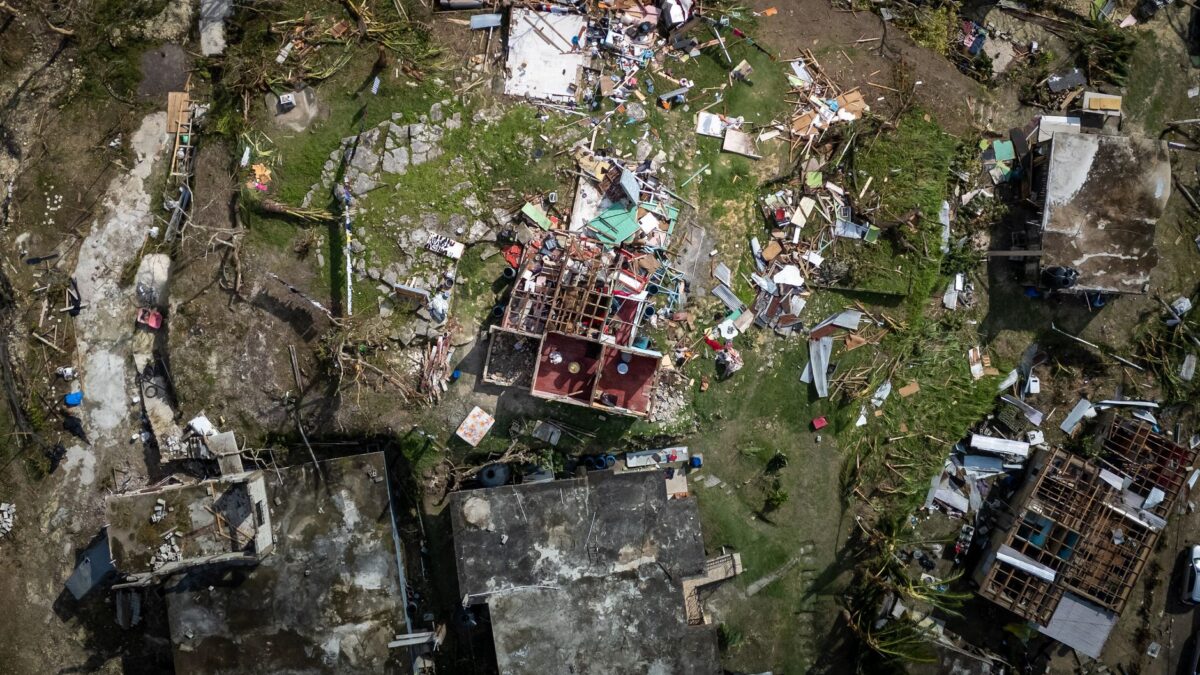
Storm chaser contractor scams follow every hailstorm, hurricane and derecho, and they target people exactly where you are right now — with an open claim, a damaged roof and a deadline you cannot afford to miss. A truck shows up. Someone offers a free inspection. They say they can “handle the insurance company” for you. Some of these crews are legitimate out-of-town contractors.
Many are not. The National Insurance Crime Bureau reports that contractor fraud spikes sharply in the weeks after a major weather event. This guide explains how storm chaser contractor scams damage a live claim, what to sign, what never to sign, and how to protect your deadlines while you sort it out.
What “Storm Chaser Contractor Scams” Means for Your Claim
A storm chaser is a contractor who travels into a disaster zone, works fast, and leaves. Not every out-of-state roofer is a fraud. However, storm chaser contractor scams share a recognizable pattern. The crew appears unsolicited. They pressure you to sign the same day. They ask for a large cash deposit up front. They offer to “eat” or “waive” your deductible.
That last offer is the most dangerous one. In many states, waiving or rebating a homeowner’s deductible is illegal, and the contractor typically inflates the estimate to cover it. If your insurer later determines the invoice was padded, the exposure lands on you as the named insured. As a result, a “free roof” can turn into a denied claim, a rescinded policy, or a fraud referral.
The second financial trap is the assignment of benefits, often labeled AOB or “direction to pay.” Signing it transfers your right to collect the claim proceeds to the contractor. In most cases you lose control of the negotiation, the check, and the scope of work. Several state insurance departments, including North Carolina’s, have warned homeowners to read carefully before signing anything that mentions assignment.
The Step-by-Step Process
Slow the transaction down. Storm chaser contractor scams depend on urgency, so removing urgency removes most of the risk. Do emergency mitigation only — tarp the roof, board a window, stop water intrusion. Your policy requires you to prevent further damage. It does not require you to sign a full replacement contract this week.
Then verify before you commit. Check the contractor’s license with your state licensing board. Confirm general liability and workers’ compensation coverage directly with the insurer named on the certificate. Get the estimate in writing with line-item scope. Photograph everything, including the truck, the plate and the person’s ID.
Keep your own claim file. Storm chaser contractor scams often unravel later, and documentation is what protects you when they do.
| Step | What to do | Document to keep | Typical timing |
|---|---|---|---|
| 1 | Report the loss to your insurer directly, not through a contractor | Claim number, adjuster name, date reported | Immediately after the storm |
| 2 | Perform emergency mitigation only | Photos before/after, tarp receipts | First 24–72 hours |
| 3 | Verify license, liability and workers’ comp | License number, certificate of insurance | Before signing anything |
| 4 | Get 2–3 written line-item bids | Signed written estimates | Within the first weeks |
| 5 | Read for AOB or “direction to pay” language | Full contract copy, all pages | Before signing |
| 6 | Use written cancellation rights if you already signed | Dated cancellation letter, delivery proof | State-specific window |
| 7 | Pay by check or card, never large cash deposits | Receipts, lien waivers per payment | Throughout the job |
Deadlines and Why They Vary by State
There is no single national deadline for any of this. Notice requirements, insurer acknowledgment times, investigation windows and payment deadlines are set state by state. Some states require an insurer to acknowledge a claim within a set number of days and pay within another set number after accepting it. Others are far less specific. Contractor cancellation windows also differ by state, and some apply only to door-to-door sales.
Two clocks matter most. The first is your state’s statute of limitations for suing on an insurance contract. The second is your policy’s own “Suit Against Us” clause. That clause is frequently shorter — often one or two years from the date of loss — and courts in many states enforce the shorter contractual period. United Policyholders explains this trap in detail.
Read your declarations page and the conditions section today. Write the date of loss on the front of your claim file. Then confirm the rules where you live using claim deadlines in your state. Storm chaser contractor scams often stall a claim for months, and a stalled claim can quietly run out of time.
Common Mistakes That Cost People Money
The most expensive mistake is signing a contract you have not read to the last page. Storm chaser contractor scams hide the AOB, the arbitration clause and the cancellation fee in the back half. For example, some contracts charge 20 to 35 percent of the claim value if you cancel after a “free” inspection.
The second mistake is letting a contractor communicate with your insurer on your behalf. In most states, negotiating a claim for a fee is public adjusting and requires a license. A roofer doing it may be acting unlawfully, and it does not protect you.
Other costly errors: paying a large deposit before materials arrive, allowing anyone on the roof to “find” more damage, throwing away damaged materials before the adjuster inspects, and accepting a repair that was never permitted. Never sign a blank or partially blank work authorization.
🏠 Get Free Home Insurance Guides
Free · No spam · Unsubscribe anytime
When to Escalate — Adjusters, Complaints and Attorneys
If your insurer’s estimate and your legitimate contractor’s estimate are far apart, you have options. A licensed public adjuster works for you, not the insurer, and is paid a percentage. Verify that license with your state department of insurance first. Many storm chaser contractor scams begin with someone falsely presenting themselves as an adjuster.
Most homeowners policies also contain an appraisal clause for disputes about the amount of loss. Each side names an appraiser, and an umpire resolves differences. It does not resolve coverage disputes. Typically it is faster and cheaper than litigation, but read the clause before invoking it.
File a complaint with your state department of insurance if the insurer is unresponsive, and with your state attorney general or contractor licensing board for the contractor. Consult a licensed attorney in your state if you face a denial, a fraud allegation, a mechanic’s lien, or an approaching suit-limitation date. This guide is general information, not legal advice. For more, see all claims and disputes guides.
Frequently Asked Questions
Can I cancel a contract I already signed with a storm chaser?
Often yes, however the window is set by state law and by the contract itself. Door-to-door sales frequently carry a short right-to-cancel period. Send written notice immediately and keep proof of delivery.
Is it illegal for a contractor to waive my deductible?
In many states it is, and it is one of the clearest markers of storm chaser contractor scams. Typically the amount is buried back into an inflated estimate. As a result, both you and the contractor can face exposure.
Will using an out-of-state contractor void my claim?
Not by itself. In most cases the problems come from unlicensed work, unpermitted repairs, or inflated invoices. Verify licensing and permits, and keep every receipt and lien waiver.
Compare Home Insurance Rates
Ready to see if you could be paying less for homeowners insurance? Compare quotes from top insurers in your area. Getting multiple quotes is the most effective way to find a better rate.
(paid link)
Official Sources & Resources
For verified information on home insurance regulations and consumer protection:
- NAIC (National Association of Insurance Commissioners): naic.org
- Insurance Information Institute: iii.org
- FEMA (Federal Emergency Management Agency): fema.gov
- FloodSmart (National Flood Insurance Program): floodsmart.gov
- USA.gov — Housing: usa.gov/housing
Content last reviewed August 2026. If you notice any outdated information, please contact us.