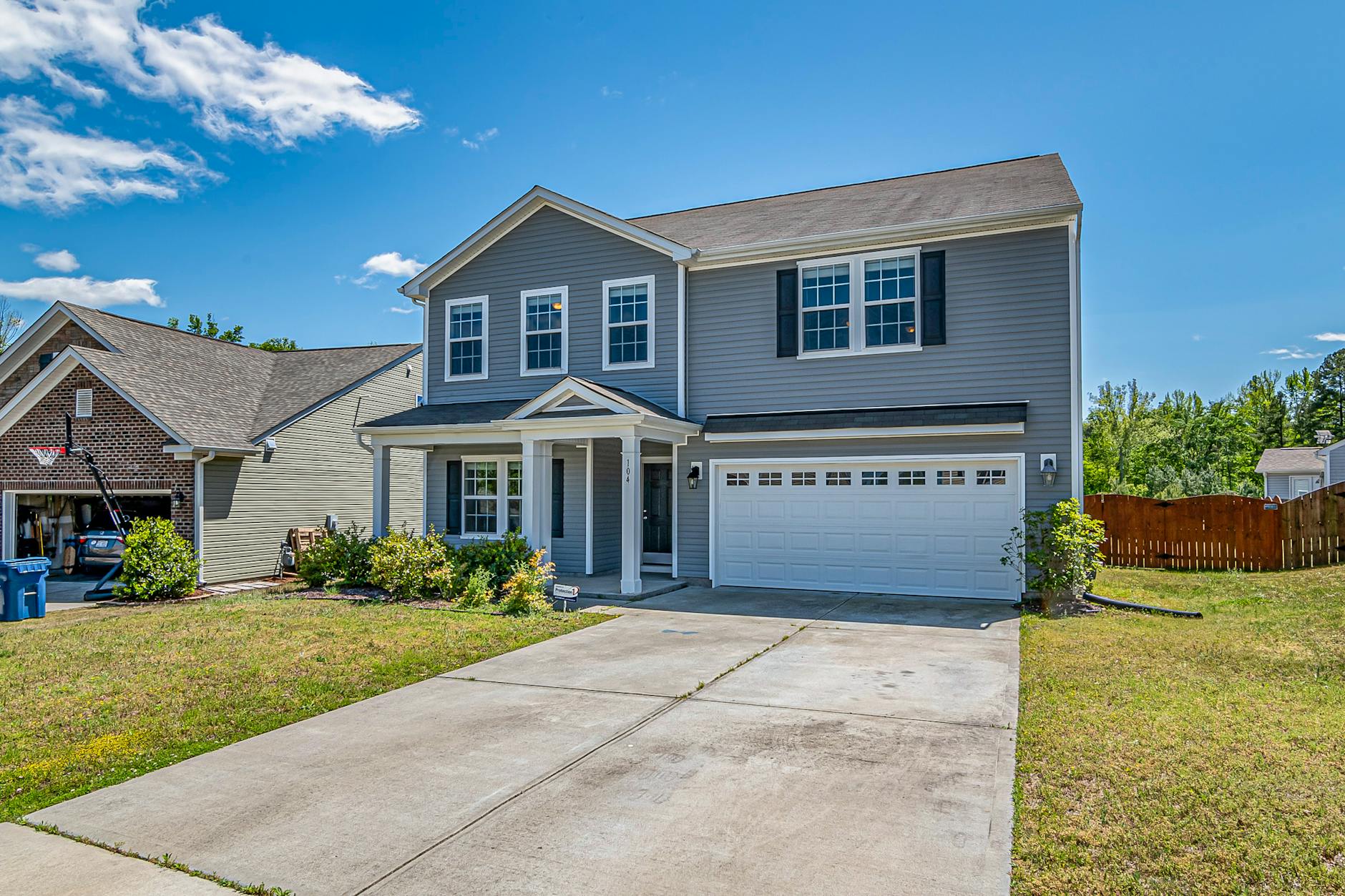
Other structures coverage is a standard part of most homeowners insurance policies. It is officially known as Coverage B. This coverage protects detached buildings and structures on your property. Think of your detached garage, fence, shed, or gazebo. These structures face the same risks as your main home.
Windstorms, fire, vandalism, and falling trees can damage them at any time. However, many homeowners overlook this protection until they need it. Understanding how other structures coverage works helps you avoid costly surprises. It also ensures your entire property is properly insured. In most cases, this coverage is automatically included in standard HO-3 and HO-5 policies. You do not need to request it separately.
What Is Other Structures Coverage?
Other structures coverage is the section of your homeowners policy labeled Coverage B. It pays to repair or replace structures on your property that are not attached to your main dwelling. A structure qualifies if it is separated from your home by a clear space. Structures connected only by a fence or utility line also qualify.
Typically, your insurer sets Coverage B at 10% of your dwelling coverage amount. For example, a home insured for $300,000 would receive $30,000 in other structures coverage automatically. The National Association of Insurance Commissioners (NAIC) confirms this standard in its consumer guides. This 10% default applies across most major insurance carriers.
Coverage B responds to the same perils that protect your main dwelling. These include fire, lightning, windstorms, hail, theft, and vandalism. Your policy deductible applies to other structures coverage claims as well.
What Does Other Structures Coverage Cover?
Other structures coverage protects a wide range of detached buildings and property features. The key requirement is physical separation from your main home. As a result, many common backyard structures qualify for protection.
| Covered Structure | Common Examples |
|---|---|
| Detached Garages | Standalone one-car or two-car garages |
| Fences and Walls | Wood, vinyl, chain-link, stone walls |
| Storage Buildings | Garden sheds, tool sheds, workshops |
| Outdoor Structures | Gazebos, pergolas, pavilions |
| Guest Houses | Detached guest cottages (not rented out) |
| Driveways and Patios | Concrete driveways, walkways, detached patios |
| Pool Structures | Pool houses, pump enclosures, pool fencing |
| Mailboxes | Permanent mailbox posts and structures |
For example, if a windstorm destroys your detached garage, Coverage B pays for repairs. The same applies if a tree falls on your fence during a storm. However, the total payout cannot exceed your Coverage B limit minus your deductible.
What Other Structures Coverage Does NOT Cover
Several important exclusions apply to other structures coverage. The most significant involves business use. Any structure used wholly or partly for business purposes is excluded. For example, a backyard shed used as a photography studio would not qualify.
Structures rented to someone who is not a tenant of your main dwelling are also excluded. However, there is one exception. A structure rented solely as a private garage remains covered. In most cases, a detached apartment rented to a non-household tenant needs a separate landlord policy.
Standard exclusions also apply to Coverage B claims. Flood damage requires a separate flood insurance policy through FEMA’s National Flood Insurance Program. Earthquake damage needs its own endorsement or policy. Gradual deterioration, rot, rust, pest damage, and neglect are never covered. Only sudden and accidental losses qualify for payment.
How Much Other Structures Coverage Do You Need?
The standard 10% of dwelling coverage works for many homeowners. However, it may not be enough if you have multiple detached structures. A $300,000 policy provides only $30,000 for all other structures combined. That amount must cover every detached building on your property.
To calculate your needs, add up the replacement cost of each detached structure. Include your garage, fences, shed, and any other qualifying buildings. If the total exceeds your Coverage B limit, you should request an increase. According to the Insurance Information Institute (III), increasing Coverage B is one of the most cost-effective upgrades available. It typically costs just a few extra dollars per month.
For example, a homeowner with a detached garage worth $25,000, fencing worth $8,000, and a pool house worth $15,000 needs at least $48,000 in other structures coverage. The default $30,000 would leave a $18,000 gap. Contact your insurer to request a Coverage B endorsement that matches your actual replacement costs.
How to File an Other Structures Coverage Claim
Filing a Coverage B claim follows a straightforward process. First, check your declarations page to verify your other structures coverage limit. Confirm that the cause of damage is a covered peril under your policy.
🏠 Get Free Home Insurance Guides
Free · No spam · Unsubscribe anytime
Next, document all damage thoroughly before making any temporary repairs. Take photographs and videos from multiple angles. Gather supporting documentation such as weather reports or police reports for vandalism. Typically, insurers want evidence of the damage and its cause before processing a claim.
Then contact your insurance company to open the claim. An adjuster will visit your property to assess the damage. The adjuster determines whether the loss qualifies under Coverage B. Once approved, your insurer issues payment minus your deductible, up to your Coverage B limit. In most cases, the process takes two to four weeks from initial report to settlement.
Frequently Asked Questions
Does other structures coverage apply to an attached garage?
No. An attached garage is part of your main dwelling. It falls under Coverage A, not Coverage B. However, a detached garage separated by a clear space qualifies for other structures coverage.
Can I increase my other structures coverage beyond 10%?
Yes. Most insurers offer endorsements to raise your Coverage B limit. Typically, this costs only a few additional dollars per month. Contact your agent to request a quote for higher other structures coverage.
Does other structures coverage have a separate deductible?
No. In most cases, your standard homeowners policy deductible applies. For example, if your deductible is $1,000 and your shed sustains $5,000 in wind damage, your insurer pays $4,000.
Is a detached home office covered under other structures coverage?
It depends on usage. A structure used partly or wholly for business is typically excluded from other structures coverage. However, some insurers offer a home business endorsement that may restore protection. Check with your agent for specific options.
Compare Home Insurance Rates
Ready to see if you could be paying less for homeowners insurance? Compare quotes from top insurers in your area. Getting multiple quotes is the most effective way to find a better rate.
(paid link)
Official Sources & Resources
For verified information on home insurance regulations and consumer protection:
- NAIC (National Association of Insurance Commissioners): naic.org
- Insurance Information Institute: iii.org
- FEMA (Federal Emergency Management Agency): fema.gov
- FloodSmart (National Flood Insurance Program): floodsmart.gov
- USA.gov — Housing: usa.gov/housing
Content last reviewed April 2026. If you notice any outdated information, please contact us.