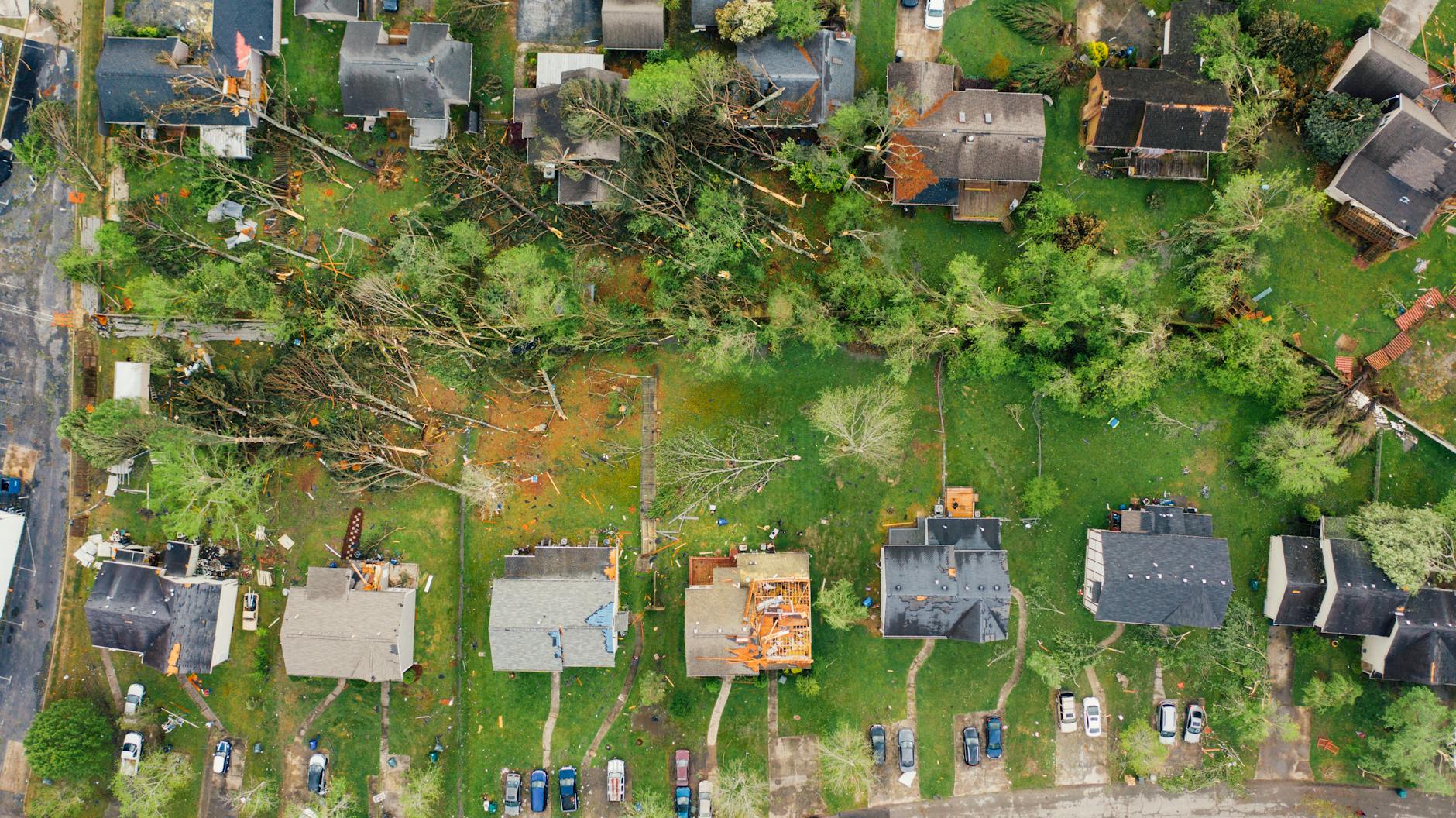
Windstorm insurance protects homeowners from financial losses caused by wind-related damage. This includes damage from hurricanes, tornadoes, and severe thunderstorms. Wind and hail account for 42.5% of all homeowners insurance claims filed nationwide. The average wind or hail claim pays out roughly $14,747. About 1 in 36 insured homes experiences a wind or hail claim each year. In most inland areas, windstorm coverage is bundled into a standard homeowners policy. However, homeowners in coastal and high-risk zones often need a separate policy. Understanding how windstorm insurance works can save you thousands of dollars after a major storm event.
What Is Windstorm Insurance?
Windstorm insurance is a type of property coverage that pays to repair or rebuild your home after wind damage. It covers structural damage to your roof, walls, windows, doors, and attached structures like garages and porches. Personal property inside your home is also covered if wind intrusion causes the damage. Rain entering through a wind-damaged roof or shattered window is typically classified as a windstorm loss, not flood damage.
In most cases, standard homeowners insurance (HO-3 policies) includes windstorm coverage automatically. However, this changes dramatically in high-risk coastal areas. In states like Texas, Florida, and North Carolina, standard policies often exclude wind and hail damage entirely. Homeowners in these zones must purchase a separate windstorm insurance policy through a private insurer or a state-backed wind pool.
For example, the Texas Windstorm Insurance Association (TWIA) covers 14 designated Gulf Coast counties. Florida’s Citizens Property Insurance serves as the state’s insurer of last resort. North Carolina operates a Beach Plan for properties east of the Intracoastal Waterway. Nationally, the market share of state FAIR plans and beach plans nearly doubled from 1.4% in 2019 to 2.5% in 2023.
What Does Windstorm Insurance Cover?
Windstorm insurance covers damage caused directly by wind. This includes hurricanes, tornadoes, straight-line winds, and severe thunderstorms. Typically, both your dwelling and personal property receive protection. Additional living expenses may also be included if your home becomes uninhabitable after a covered windstorm event.
The table below outlines the most common covered items and typical policy limits.
| Covered Item | What It Includes | Typical Limit |
|---|---|---|
| Dwelling (Coverage A) | Roof, walls, windows, doors, foundation damage from wind | Full replacement cost |
| Other Structures | Detached garage, fence, shed (if included) | 10% of dwelling coverage |
| Personal Property | Furniture, electronics, clothing damaged by wind intrusion | 50–70% of dwelling coverage |
| Additional Living Expenses | Temporary housing, meals, relocation costs | 20% of dwelling coverage |
| Debris Removal | Clearing fallen trees and structural debris | Varies by policy |
One critical distinction involves deductibles. Standard homeowners deductibles are flat dollar amounts, typically $1,000 to $2,500. However, windstorm insurance in coastal states uses percentage-based deductibles. These range from 1% to 5% of your dwelling’s insured value. In some high-risk zones, they can reach up to 15%. For a $300,000 home with a 5% hurricane deductible, you would pay $15,000 out of pocket before your insurer covers anything.
What Windstorm Insurance Does NOT Cover
The most important exclusion is flood damage. Storm surge, rising water, and tidal flooding are never covered by windstorm insurance. You need a separate flood insurance policy through the National Flood Insurance Program (NFIP) or a private flood insurer. NFIP residential building coverage caps at $250,000. Contents coverage caps at $100,000. This flood-versus-wind distinction is heavily disputed after every major hurricane.
Windstorm insurance also does not cover damage from earthquakes. Mold is typically excluded unless it results directly from a covered wind event. Sewer and drain backup requires a separate endorsement. As a result, homeowners in hurricane-prone areas often need three or more policies working together for full protection.
Other common exclusions include wear and tear, gradual deterioration, and lack of maintenance. If your roof was already in poor condition before a storm, your insurer may deny the claim. Wind-driven rain that enters through pre-existing openings not created by the storm is also excluded. Keeping your property well-maintained strengthens your position when filing a windstorm insurance claim.
How Much Windstorm Insurance Do You Need?
Your windstorm insurance coverage should equal the full replacement cost of your home. This is the amount it would take to rebuild your home at current construction prices. It is not the same as your home’s market value or purchase price. Most insurers and the Insurance Information Institute (III) recommend full replacement cost coverage.
Costs vary significantly based on location. In coastal Texas, a standalone windstorm policy through TWIA averages roughly $2,480 per year. Florida homeowners pay an average of $3,815 annually for coverage that includes wind. Coastal Miami averages around $5,315 per year, while inland Ocala averages about $1,865. According to a 2026 GAO report, homes in high wind-risk areas pay approximately 58% more than comparable homes in medium-risk areas. Southern coastal premiums rose 25% or more between 2019 and 2024.
When calculating your needs, also consider your deductible. A lower percentage deductible means higher premiums but less out-of-pocket cost after a storm. For example, TWIA offers deductible options of $100, $250, or 1% of coverage. Florida Citizens offers 2%, 5%, or 10%. Choosing the right balance between premium cost and deductible exposure is essential for protecting your finances.
How to File a Windstorm Insurance Claim
After a windstorm damages your home, document everything immediately. Take photos and videos of all damage before making any repairs. Create a written inventory of damaged items with estimated values. This documentation becomes your strongest evidence during the claims process.
🏠 Get Free Home Insurance Guides
Free · No spam · Unsubscribe anytime
Next, make emergency temporary repairs to prevent further damage. Cover broken windows with plywood. Tarp damaged roof sections. Save all receipts for materials and labor. Your windstorm insurance policy typically reimburses reasonable emergency repair costs. Then contact your insurer as soon as possible by phone, online portal, or through your agent. The insurer will assign an adjuster to inspect the damage.
Timelines vary by state. In Florida, insurers must acknowledge your claim within 14 days. A physical inspection must occur within 30 days of your proof-of-loss submission. The insurer generally has 60 days to pay or deny the claim. Most states require homeowners to file their initial windstorm insurance claim within one year of the loss. If you disagree with the adjuster’s assessment, get independent contractor estimates. You have the right to dispute any findings before accepting a settlement.
Frequently Asked Questions
Is windstorm insurance the same as hurricane insurance?
Not exactly. Windstorm insurance covers damage from any wind event, including tornadoes and thunderstorms. Hurricane insurance or hurricane deductibles apply only when the National Hurricane Center declares a hurricane. In most cases, your policy uses the broader windstorm coverage with a separate hurricane deductible triggered at wind speeds of 74 mph or higher.
Do I need windstorm insurance if I live inland?
Typically, your standard homeowners policy already includes wind coverage if you live inland. However, tornadoes and severe thunderstorms cause significant wind damage far from any coast. In 2023, insured losses from severe convective storms reached an all-time high of $60 billion. Review your policy to confirm wind and hail are not excluded, regardless of your location.
Does windstorm insurance cover flood damage from a hurricane?
No. Windstorm insurance only covers damage caused by wind. Water damage from storm surge, rising rivers, or ground-level flooding requires a separate flood policy. For example, rain entering through a wind-damaged roof is a windstorm claim. However, ocean water pushed inland by hurricane winds is a flood claim. This distinction is critical for coastal homeowners.
How can I lower my windstorm insurance premiums?
Several steps can reduce your costs. Install hurricane shutters, impact-resistant windows, or a fortified roof. Many insurers offer discounts of 5% to 30% for wind mitigation improvements. Choosing a higher percentage deductible also lowers your annual premium. As a result, homeowners who invest in structural upgrades often see meaningful savings on their windstorm insurance over time.
Compare Home Insurance Rates
Ready to see if you could be paying less for homeowners insurance? Compare quotes from top insurers in your area. Getting multiple quotes is the most effective way to find a better rate.
(paid link)
Official Sources & Resources
For verified information on home insurance regulations and consumer protection:
- NAIC (National Association of Insurance Commissioners): naic.org
- Insurance Information Institute: iii.org
- FEMA (Federal Emergency Management Agency): fema.gov
- FloodSmart (National Flood Insurance Program): floodsmart.gov
- USA.gov — Housing: usa.gov/housing
Content last reviewed April 2026. If you notice any outdated information, please contact us.