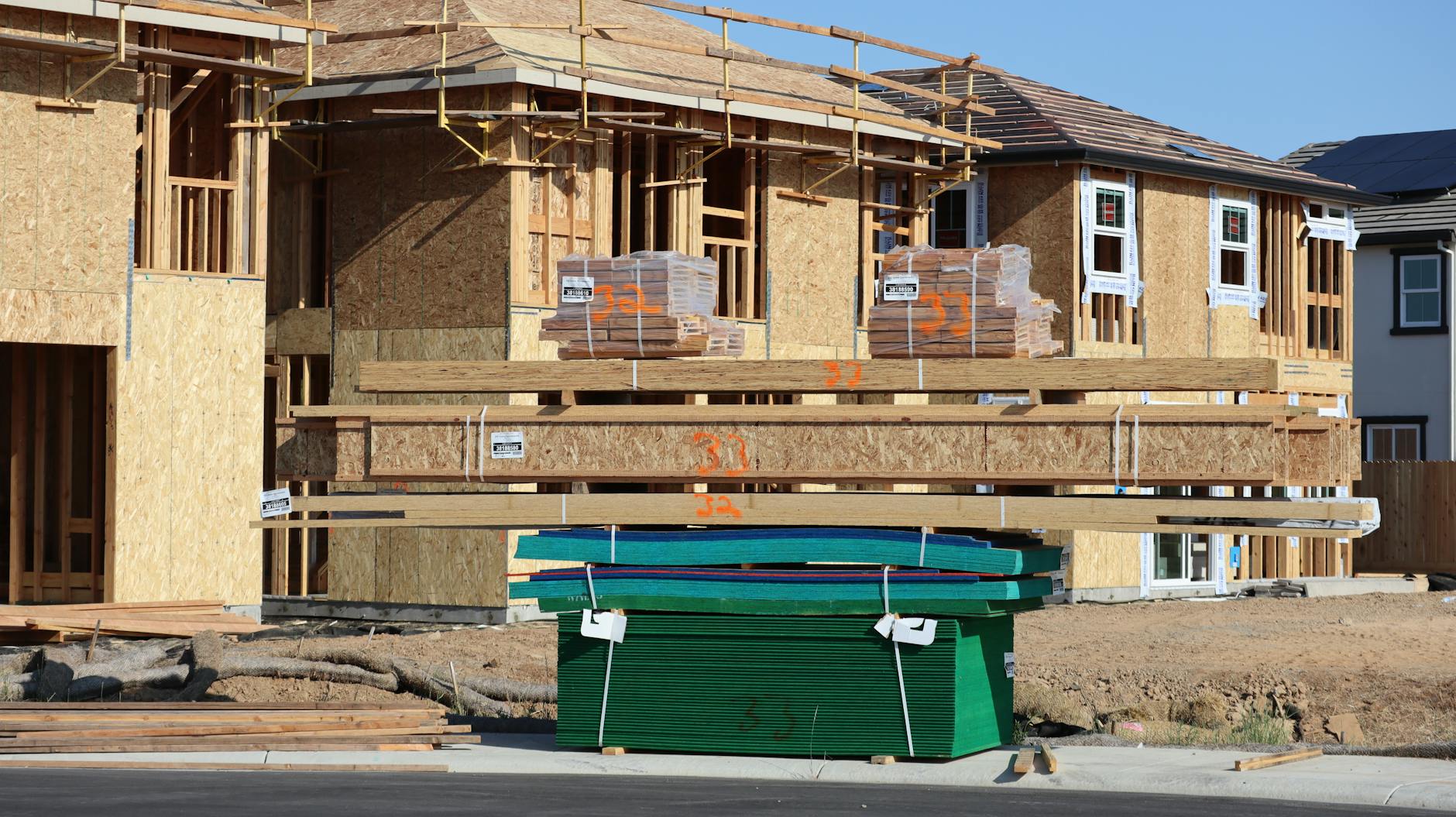
Extended replacement cost is one of the most important endorsements a homeowner can add to a property insurance policy. This coverage pays to rebuild your home even when construction costs exceed your dwelling limit. Standard homeowners insurance sets a fixed dollar cap on your dwelling coverage. However, rebuilding costs can surge well beyond that cap after a disaster. Demand for labor and materials spikes. Supply chains tighten. Prices climb.
As a result, many homeowners discover they are underinsured at the worst possible moment. Industry estimates suggest roughly 60% of U.S. homeowners carry insufficient dwelling coverage. Residential reconstruction costs have risen approximately 30% over the past five years, according to the Insurance Information Institute. An extended replacement cost endorsement closes that dangerous gap. It provides a financial cushion above your policy limit, typically ranging from 10% to 50% extra. Understanding how this coverage works can protect your family from devastating out-of-pocket rebuilding expenses.
What Is Extended Replacement Cost Coverage?
Extended replacement cost is an endorsement added to a standard homeowners insurance policy. It increases your dwelling coverage by a set percentage above the stated policy limit. Common caps are 25% and 50%. For example, a home insured for $300,000 with a 25% extended replacement cost endorsement would receive up to $375,000 for rebuilding.
This endorsement applies specifically to Coverage A, which is your dwelling. It does not extend to personal property, other structures, or loss of use. In most cases, insurers offer extended replacement cost at relatively modest premium increases. Industry estimates place the added cost between 5% and 15% of your base dwelling premium.
A related but distinct option is guaranteed replacement cost coverage. This pays the full rebuilding expense regardless of how far costs exceed your limit. There is no percentage cap. However, guaranteed replacement cost is rarer and more expensive. Erie Insurance offers it as a standard feature on many policies. Chubb provides similar unlimited protection for high-value homes. Most homeowners will find extended replacement cost more accessible and affordable.
What Does Extended Replacement Cost Cover?
Extended replacement cost covers the additional expense of rebuilding your dwelling when costs surpass your policy limit. This typically happens after widespread disasters. Hurricanes, wildfires, and tornadoes create demand surges. Labor rates spike. Building materials become scarce. These post-disaster price increases are the primary scenario where extended replacement cost pays above your base limit.
The endorsement covers the same perils as your underlying homeowners policy. It simply raises the ceiling on how much the insurer will pay for dwelling reconstruction. Typically, this includes fire, windstorm, hail, lightning, and other covered events listed in your policy.
| Coverage Type | Pays Above Policy Limit? | Cap | Typical Premium Increase | Availability |
|---|---|---|---|---|
| Standard Replacement Cost | No | Policy limit only | Included in base policy | Widely available |
| Extended Replacement Cost (25%) | Yes | Up to 125% of dwelling limit | 5%–10% added | Most major insurers |
| Extended Replacement Cost (50%) | Yes | Up to 150% of dwelling limit | 10%–15% added | Many major insurers |
| Guaranteed Replacement Cost | Yes | No cap — full rebuild cost | Higher than ERC | Limited (Erie, Chubb, select others) |
What Extended Replacement Cost Does NOT Cover
Extended replacement cost does not cover flood or earthquake damage. These perils require separate policies. Flood insurance is available through the National Flood Insurance Program (NFIP) or private insurers. Earthquake coverage must be purchased as a standalone policy or endorsement.
This endorsement also excludes wear and tear, deferred maintenance, and gradual deterioration. If your roof was already failing before a storm, the insurer will not pay for its full replacement under extended replacement cost. Additionally, building code upgrades are typically excluded. For example, if local codes now require stronger framing or updated electrical systems, those costs may not be covered unless you carry a separate Ordinance or Law endorsement.
Older homes may face restrictions. Some insurers will not offer extended replacement cost on homes beyond a certain age. In high-risk states like California and Florida, availability may be limited due to insurer withdrawals from those markets. The endorsement does not apply to Coverage B (other structures), Coverage C (personal property), or Coverage D (loss of use).
How Much Extended Replacement Cost Do You Need?
The right amount depends on your local construction market. Start by getting an accurate rebuilding cost estimate. Your insurer or a licensed appraiser can provide one. Rebuilding cost is not the same as market value. It reflects the actual expense of labor, materials, and permits to reconstruct your specific home.
The NAIC’s Consumer Guide to Home Insurance recommends reviewing your dwelling limit annually. Construction costs rose 5.2% from April 2024 to April 2025 alone. A home insured for $300,000 in 2020 may now cost $380,000 or more to rebuild. Standard inflation guards built into policies typically adjust limits by only 2% to 4% per year. That has not kept pace with actual cost increases.
For most homeowners, a 25% extended replacement cost endorsement provides a solid cushion. However, those in disaster-prone areas should consider 50% coverage. If your home has custom features or high-end finishes, guaranteed replacement cost may be worth the added premium. Amica, for instance, offers extended replacement cost up to 130% of the dwelling limit on its Platinum Choice policies.
How to File an Extended Replacement Cost Claim
Filing a claim under extended replacement cost follows the same process as a standard dwelling claim. First, contact your insurer immediately after the damage occurs. Document everything with photos and video before any cleanup or temporary repairs begin. Keep all receipts for emergency expenses like temporary housing or debris removal.
🏠 Get Free Home Insurance Guides
Free · No spam · Unsubscribe anytime
Your insurer will send an adjuster to assess the damage and generate a rebuild estimate. The initial payment is often made at actual cash value. The remaining amount, including any extended replacement cost funds above your policy limit, is typically released once repairs begin or are completed. In most cases, you must actually rebuild to receive the full payout.
The New York Department of Financial Services has confirmed that insurers must pay the full replacement cost upon completion of work. Keep detailed records of all contractor invoices and communications with your insurer. If your claim is denied or underpaid, you can file a complaint with your state insurance department.
Frequently Asked Questions
Is extended replacement cost worth the extra premium?
In most cases, yes. The premium increase is typically 5% to 15% of your dwelling cost. However, the protection it provides can mean tens of thousands of dollars in additional coverage. For example, on a $400,000 home, a 25% endorsement adds $100,000 in rebuilding capacity.
What is the difference between extended replacement cost and guaranteed replacement cost?
Extended replacement cost caps the extra payout at a set percentage, such as 25% or 50% above your dwelling limit. Guaranteed replacement cost has no cap. It pays whatever the full rebuild costs. As a result, guaranteed replacement cost is more expensive and harder to find.
Does extended replacement cost cover building code upgrades?
Typically, no. Building code upgrades require a separate Ordinance or Law endorsement. For example, if your local code now mandates impact-resistant windows, extended replacement cost alone will not cover that added expense. You should ask your agent about adding Ordinance or Law coverage alongside your extended replacement cost endorsement.
Can I get extended replacement cost on an older home?
It depends on the insurer. Some companies restrict extended replacement cost to homes under a certain age or in good condition. Older homes with outdated wiring, plumbing, or roofing may not qualify. However, some insurers will offer it after a home inspection confirms the property meets their standards.
Compare Home Insurance Rates
Ready to see if you could be paying less for homeowners insurance? Compare quotes from top insurers in your area. Getting multiple quotes is the most effective way to find a better rate.
(paid link)
Official Sources & Resources
For verified information on home insurance regulations and consumer protection:
- NAIC (National Association of Insurance Commissioners): naic.org
- Insurance Information Institute: iii.org
- FEMA (Federal Emergency Management Agency): fema.gov
- FloodSmart (National Flood Insurance Program): floodsmart.gov
- USA.gov — Housing: usa.gov/housing
Content last reviewed April 2026. If you notice any outdated information, please contact us.