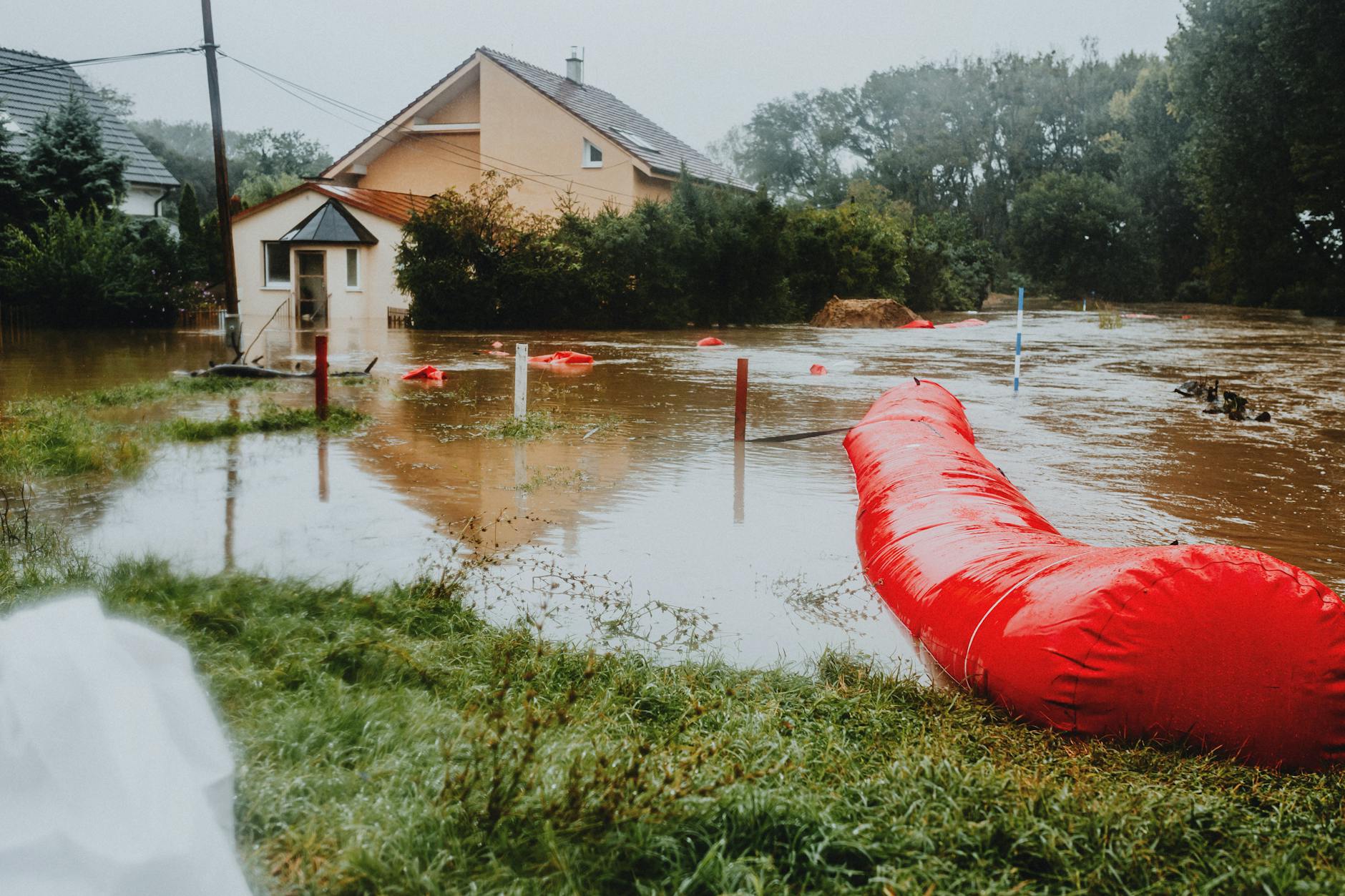
Water backup coverage is a homeowners insurance endorsement that pays for damage when water flows backward through sewers, drains, or sump pumps into your home. Standard homeowners policies specifically exclude this type of damage. However, sewer and drain backups cause an average of $10,000 to $12,000 in damage per incident, according to the Insurance Information Institute (III).
Finished basements can see losses exceeding $50,000. As a result, this endorsement is one of the most valuable additions to a homeowners policy. Only about 30 to 40 percent of homeowners carry water backup coverage. Many do not realize they lack it until they file a claim. Understanding this coverage gap can save you thousands of dollars.
What Is Water Backup Coverage?
Water backup coverage is an optional endorsement added to a standard homeowners insurance policy. It protects against damage caused when water reverses direction and enters your home through internal plumbing systems. This includes sewer line backups, sump pump failures, and clogged drain overflows. In most cases, your base HO-3 policy explicitly excludes these events.
The National Association of Insurance Commissioners (NAIC) identifies sewer backup as one of the most commonly misunderstood coverage gaps. Many homeowners assume their standard policy covers all water damage. It does not. Without this endorsement, you pay the full repair cost out of pocket.
Water backup coverage typically costs between $40 and $250 per year. The exact price depends on your insurer, location, coverage limit, and claims history. For example, $10,000 in coverage often costs just $50 to $100 annually. That makes it one of the most affordable endorsements available.
What Does Water Backup Coverage Cover?
Water backup coverage pays for property damage and cleanup costs from specific backup events. It covers structural repairs, damaged flooring, ruined drywall, and destroyed personal belongings. It also typically covers mold remediation that results directly from a covered backup event.
The following table outlines common covered scenarios and what triggers a valid claim:
| Covered Scenario | Description |
|---|---|
| Sewer line backup | Municipal or private sewer line pushes sewage into your basement or lower level |
| Sump pump failure | Mechanical breakdown or power outage causes sump pump to stop working |
| Sump pump overflow | Heavy rain overwhelms sump capacity and water spills into your home |
| Drain backup | Clogged or blocked interior drain causes water to back up inside the home |
| Municipal sewer overload | City sewer system capacity is exceeded during storms, forcing water into connected homes |
In most cases, water backup coverage also reimburses emergency cleanup costs. This includes water extraction, professional drying, and sanitization. However, coverage limits cap the total payout per incident.
What Water Backup Coverage Does NOT Cover
Water backup coverage has important exclusions. It does not cover damage from outdoor flooding that enters through doors, windows, or walls. That requires a separate NFIP flood insurance policy. FEMA confirms that federal flood insurance also does not cover sewer backups. These are two distinct risks requiring two separate coverages.
Groundwater seepage through foundation walls is typically excluded as well. Gradual or repeated water intrusion over time falls outside the scope of water backup coverage. Insurers consider that a maintenance issue rather than a sudden event. For example, a slow leak that worsens over months will not trigger a valid claim.
Homeowner negligence can also void a claim. If you fail to maintain your sump pump and it breaks down, some carriers will deny the claim. Damage caused by tree roots you knew were invading your sewer line may also be excluded. As a result, regular maintenance of your plumbing and sump pump system is essential.
How Much Water Backup Coverage Do You Need?
Insurers offer water backup coverage in tiered limits. Common options include $5,000, $10,000, $15,000, $25,000, and $50,000. Some carriers offer limits up to $100,000. The right amount depends on your home and what is at risk below grade.
A finished basement with expensive flooring, electronics, and furniture may need $25,000 or more. An unfinished basement with minimal contents might only need $5,000 to $10,000. However, the III notes that average water backup claims run $10,000 to $12,000. Choosing a limit below that average leaves you underinsured for a typical event.
Deductibles for water backup coverage usually match your base homeowners policy deductible. That typically ranges from $1,000 to $2,500. Some insurers apply a separate, lower deductible of $500 to $1,000 for this endorsement. When comparing quotes, check both the coverage limit and the deductible. The following table compares common coverage tiers:
| Coverage Limit | Typical Annual Cost | Best For |
|---|---|---|
| $5,000 | $40–$60 | Unfinished basements with minimal contents |
| $10,000 | $50–$100 | Partially finished basements or average contents |
| $25,000 | $100–$175 | Fully finished basements with valuable belongings |
| $50,000 | $150–$250 | High-value finished lower levels or walkout basements |
How to File a Water Backup Coverage Claim
Act quickly after a water backup event. First, stop the water source if you safely can. Turn off the main water valve or power to the sump pump. Then document everything before cleaning up. Take photos and videos of all damage, standing water levels, and affected belongings.
🏠 Get Free Home Insurance Guides
Free · No spam · Unsubscribe anytime
Contact your insurance company as soon as possible. Most insurers require prompt notification, typically within 24 to 72 hours. Your adjuster will inspect the damage and verify it matches a covered peril under your water backup coverage endorsement. Keep all receipts for emergency cleanup, temporary repairs, and replacement items.
Do not throw away damaged items until your adjuster approves. However, you should begin water removal and drying immediately to prevent mold. Mold can begin growing within 24 to 48 hours of water exposure. Your insurer may recommend approved restoration companies. Using their network can speed up the claims process and ensure proper documentation.
Frequently Asked Questions
Is water backup coverage the same as flood insurance?
No, these are two separate coverages. Water backup coverage handles water that comes up through internal drains, sewers, and sump pumps. Flood insurance covers rising surface water from natural events. For example, a backed-up sewer line is a water backup claim, while a river overflowing into your home is a flood claim. You may need both.
Does my standard homeowners policy include water backup coverage?
Typically, no. Standard HO-3 homeowners policies explicitly exclude sewer and drain backups. You must purchase water backup coverage as a separate endorsement. However, some newer policy packages bundle it automatically. Check your declarations page or ask your agent to confirm.
How much does water backup coverage cost per year?
Most homeowners pay between $40 and $250 per year for water backup coverage. The cost depends on your coverage limit, location, and insurer. In most cases, $10,000 in coverage costs $50 to $100 annually. As a result, it is one of the most affordable endorsements you can add to your policy.
Does water backup coverage pay for mold remediation?
In most cases, yes. Water backup coverage typically includes mold damage that results directly from a covered backup event. However, the payout is subject to your endorsement limit. Mold from gradual leaks or pre-existing conditions is excluded. Prompt cleanup after a backup event is essential to minimize mold growth and maximize your claim payout.
Compare Home Insurance Rates
Ready to see if you could be paying less for homeowners insurance? Compare quotes from top insurers in your area. Getting multiple quotes is the most effective way to find a better rate.
(paid link)
Official Sources & Resources
For verified information on home insurance regulations and consumer protection:
- NAIC (National Association of Insurance Commissioners): naic.org
- Insurance Information Institute: iii.org
- FEMA (Federal Emergency Management Agency): fema.gov
- FloodSmart (National Flood Insurance Program): floodsmart.gov
- USA.gov — Housing: usa.gov/housing
Content last reviewed April 2026. If you notice any outdated information, please contact us.