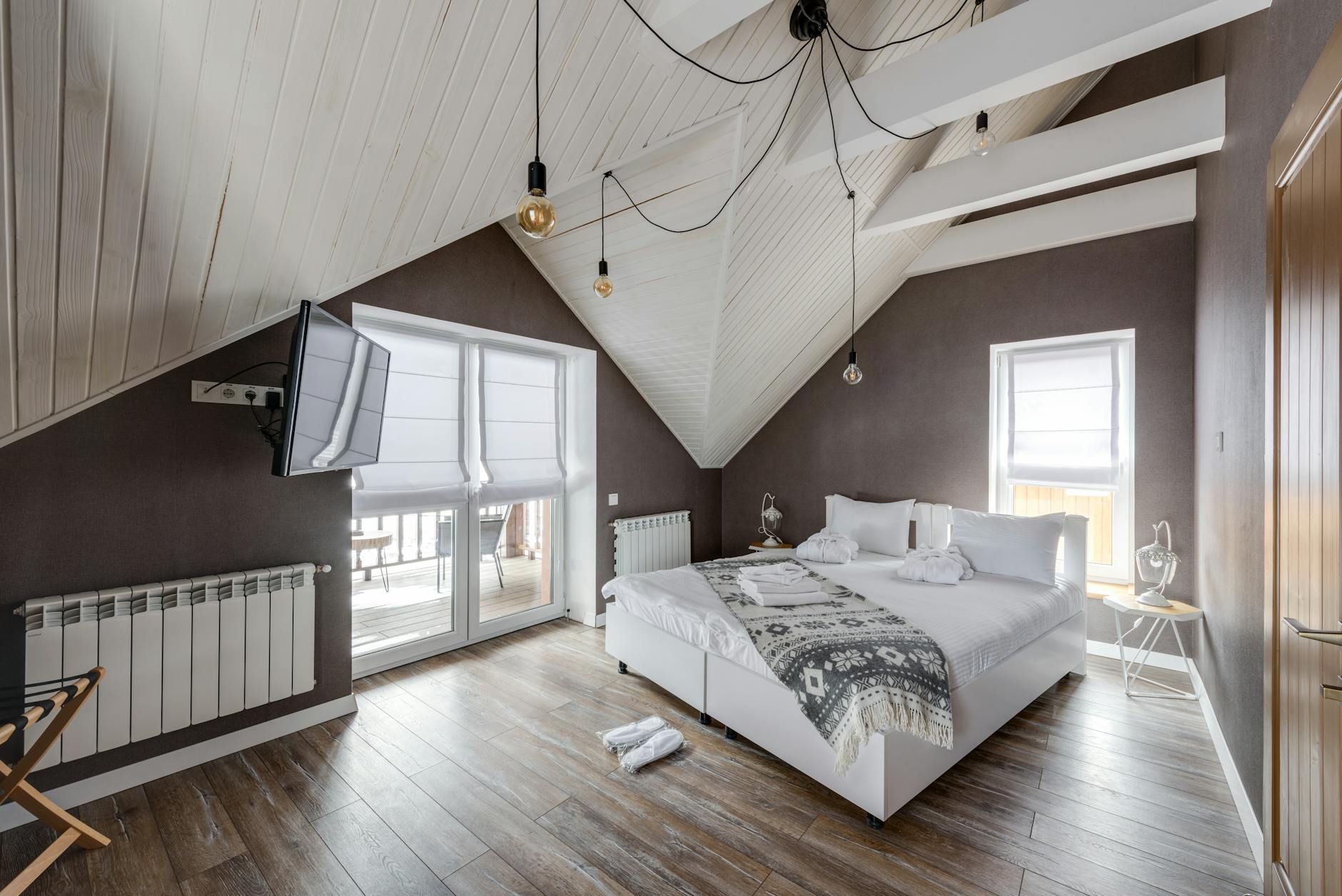
Airbnb host insurance is one of the most misunderstood topics in the short-term rental world. Many landlords assume that Airbnb’s built-in AirCover program is enough. However, AirCover is not actually an insurance policy. It is a voluntary protection program controlled entirely by Airbnb. Hosts are not named insureds and have no policy rights.
As a result, claims can be denied without standard appeals. Nearly 40% of Airbnb hosts are underinsured or completely unprotected against the unique risks of short-term rentals. Standard homeowners insurance typically excludes commercial activities. Renting out a property on a short-term basis counts as commercial activity under virtually every standard policy in the country. That means landlords need dedicated airbnb host insurance to protect their rental income, property, and liability exposure.
What Is Airbnb Host Insurance?
Airbnb host insurance refers to specialized coverage designed for property owners who list on short-term rental platforms. It fills the gaps left by standard homeowners or landlord policies. These dedicated policies cover guest-caused property damage, liability claims, and lost rental income. In most cases, they also extend coverage across multiple booking platforms like Vrbo and Booking.com.
This type of insurance differs from homeowners coverage in several key ways. Homeowners policies exclude paying guests on the property. Even a home-sharing endorsement typically only applies to a primary residence. It does not cover secondary or investment properties. Airbnb host insurance, by contrast, is built specifically for properties rented to short-term guests. It treats the rental activity as a covered use rather than an exclusion.
Any landlord who rents a property for stays shorter than 30 days should carry airbnb host insurance. This includes owners with a single listing and investors managing multiple units. For example, hosts managing six or more listings should know that Airbnb’s AirCover now takes a secondary role. That means your own insurance must respond first.
What Does Airbnb Host Insurance Cover?
A comprehensive airbnb host insurance policy typically includes dwelling protection, liability coverage, loss of rental income, and personal property coverage. Some policies also cover bed bug remediation, squatter removal, and amenity liability for pools or hot tubs. The table below compares Airbnb’s AirCover with a dedicated insurance policy.
| Coverage Type | Airbnb AirCover | Dedicated STR Policy |
|---|---|---|
| Property Damage (Guest-Caused) | Up to $3M (discretionary) | $300K–$1M+ (contractual) |
| Host Liability | Up to $1M | $1M–$2M per occurrence |
| Lost Rental Income | Not covered | $25K–$100K+ |
| Theft by Guest | Limited | Typically included |
| Multi-Platform Coverage | Airbnb only | All platforms + direct bookings |
| Bed Bug / Squatter | Not covered | Available with some carriers |
| Named Insured Rights | No | Yes — full policy rights |
AirCover will not cover lost revenue from canceled bookings on other platforms. It also excludes storage costs during repairs and expedited contractor fees. As a result, landlords who rely solely on AirCover face significant out-of-pocket risk. A standalone airbnb host insurance policy provides contractual coverage you can enforce legally.
How Much Does Airbnb Host Insurance Cost?
The cost of airbnb host insurance typically ranges from $1,200 to $4,000 per year per property. This is roughly 10% to 25% more than a standard homeowners policy. For example, a single-family rental in a mid-cost market might pay around $2,000 annually. High-value properties or those with pools and hot tubs will pay more.
Several factors affect your premium. Location, property value, and occupancy rate matter most. A property in a hurricane-prone coastal area will cost more than one in a suburban Midwest market. The number of bookings per year also influences pricing. Properties booked 200 nights or more typically face higher premiums than occasional rentals.
Deductibles for airbnb host insurance usually range from $1,000 to $5,000. Choosing a higher deductible can lower your annual premium by 10% to 15%. However, landlords should balance the savings against their ability to absorb a loss. In most cases, a $2,500 deductible offers the best balance between affordability and protection.
Which Companies Offer Airbnb Host Insurance?
Proper Insurance is widely considered the top choice for airbnb host insurance. It is the only policy built from the ground up for short-term rentals. Proper offers no cap on guest-caused damage, in-house claims processing, and coverage for bed bugs and squatters. Annual premiums typically range from $1,500 to $4,000. Proper covers all major booking platforms including Airbnb, Vrbo, and direct bookings.
Steadily specializes in landlord insurance for both long-term and short-term rentals. Their STR policies run between $2,000 and $3,000 annually. Obie targets real estate investors who manage portfolios. Their platform includes a property-level risk map that flags flood zones, wildfire exposure, and crime data. Obie policies typically cost $1,200 to $3,500 per year.
Safely offers budget-friendly guest damage protection and liability coverage. It works well for hosts who rent occasionally or want to supplement an existing policy. CBIZ provides comprehensive vacation rental policies starting around $1,200 annually. For landlords comparing options, getting quotes from at least three providers is essential. Each company weighs risk factors differently.
Tips for Choosing the Right Airbnb Host Insurance
Start by reviewing your current homeowners or landlord policy. Look for exclusions related to short-term rentals or commercial use. Most standard policies will not cover guest injuries or property damage from paying visitors. Once you identify the gaps, you can shop for airbnb host insurance that fills them specifically.
Compare at least three quotes before committing. Pay close attention to liability limits, loss-of-income coverage, and whether the policy covers all booking platforms. For example, if you list on both Airbnb and Vrbo, you need multi-platform coverage. Also check whether the policy covers direct bookings through your own website. Airbnb host insurance that only covers one platform leaves you exposed.
Ask each insurer about their claims process. Some carriers handle claims in-house while others outsource to third parties. In-house claims teams typically resolve issues faster. Also verify that you are a named insured on the policy. This gives you legal standing to dispute a denied claim. Unlike AirCover, a proper airbnb host insurance policy puts you in control of the process.
Frequently Asked Questions
Does Airbnb’s AirCover replace the need for airbnb host insurance?
No. AirCover is not a true insurance policy. It is a discretionary protection program with no guaranteed payouts. As a result, landlords should carry their own airbnb host insurance for enforceable, contractual coverage.
Will my homeowners insurance cover short-term rental guests?
Typically, no. Standard homeowners policies exclude commercial activities like short-term rentals. Even home-sharing endorsements usually only apply to primary residences. For investment properties, you need a dedicated landlord or STR policy.
How much liability coverage should an Airbnb host carry?
Most experts recommend at least $1 million in liability coverage per occurrence. However, hosts with high-value properties or amenities like pools should consider $2 million. In most cases, the additional premium for higher limits is modest compared to the added protection.
Compare Home Insurance Rates
Ready to see if you could be paying less for homeowners insurance? Compare quotes from top insurers in your area. Getting multiple quotes is the most effective way to find a better rate.
(paid link)
Official Sources & Resources
For verified information on home insurance regulations and consumer protection:
- NAIC (National Association of Insurance Commissioners): naic.org
- Insurance Information Institute: iii.org
- FEMA (Federal Emergency Management Agency): fema.gov
- FloodSmart (National Flood Insurance Program): floodsmart.gov
- USA.gov — Housing: usa.gov/housing
Content last reviewed April 2026. If you notice any outdated information, please contact us.