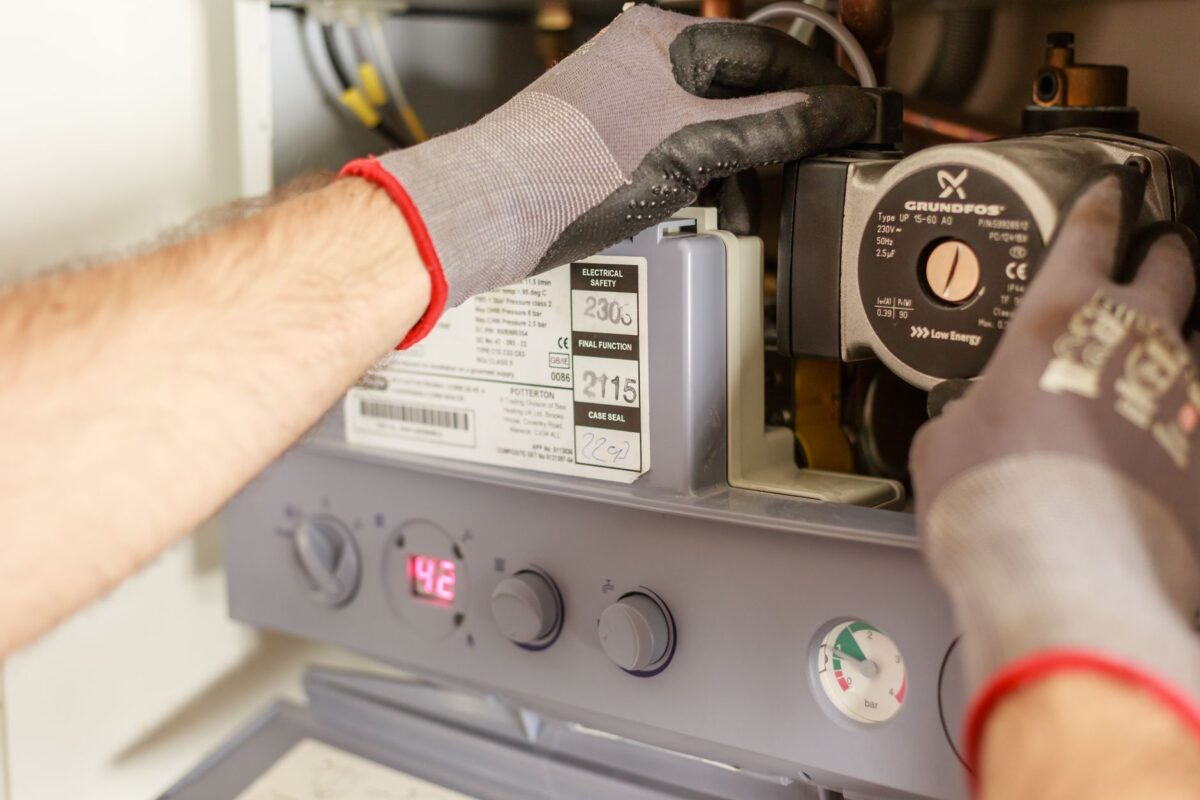
appliance warranty plans have become one of the most common add-on purchases for American homeowners, and also one of the most misunderstood. A home appliance warranty is not insurance. It is a service contract that pays to repair or replace covered household appliances when they fail from normal wear and tear. Your homeowners policy works differently.
It pays only when a covered peril, such as fire, lightning, or a burst pipe, damages your appliances. It will not pay when a 12-year-old dishwasher simply stops draining. That gap is exactly what an appliance warranty is designed to fill. Knowing what these contracts actually cover, what they exclude, and what they cost helps you decide whether the annual fee is worth it for your household.
How an appliance warranty differs from homeowners insurance
The distinction matters legally. The National Association of Insurance Commissioners created the Service Contracts Model Act in 1995 to guide how states regulate these products. Roughly 38 states have adopted some version of it. In most states, the insurance commissioner still oversees home service contract companies, though under lighter rules than true insurers. New York regulates them through the Department of Financial Services instead. There is no federal agency that licenses home warranty companies.
Standard homeowners insurance excludes mechanical and electrical breakdown outright. Insurers treat those failures as maintenance, not as sudden accidental loss. For example, a refrigerator compressor that dies after a decade is a homeowner expense, not a claim. However, many insurers now sell an equipment breakdown endorsement that covers electrical and mechanical failure of appliances and HVAC systems. That rider typically costs $25 to $50 per year, according to The Hartford. It still excludes normal wear and tear and age-related failure, so it is not a substitute for an appliance warranty.
Federal law also gives you rights that exist before any contract. The Magnuson-Moss Warranty Act of 1975 governs written warranties on consumer products, including household appliances. Under that law, a manufacturer cannot void your warranty just because you used third-party parts or an independent repair shop.
What is typically covered and what it costs
Most appliance-only plans cover the major kitchen and laundry equipment. Typical covered items include the refrigerator, oven and range, cooktop, built-in microwave, dishwasher, garbage disposal, clothes washer, and clothes dryer. Coverage applies to failures caused by normal use over time. In most cases, the contract pays for parts and labor after you pay a flat service fee.
Costs vary by plan type. Industry pricing surveys for 2026 put typical plans in the following ranges.
| Plan type | Typical annual cost | Typical monthly cost |
|---|---|---|
| Appliance-only | $300 – $550 | $25 – $46 |
| Systems-only (HVAC, plumbing, electrical) | $350 – $600 | $29 – $50 |
| Combination appliance and systems | $500 – $900 | $42 – $75 |
| Premium or comprehensive | $1,200 – $1,400 | $100 – $117 |
| Service call fee (per visit) | $75 – $150 | Paid at each visit |
The service fee is the key difference from insurance. An appliance warranty has no large upfront deductible. You pay $75 to $150 each time a technician comes out, no matter how many separate items fail during the year. As a result, a household with three breakdowns pays that fee three times.
Exclusions matter just as much as inclusions. Typical appliance warranty contracts exclude pre-existing conditions, improper installation, rust and corrosion, cosmetic damage, and failures caused by lack of maintenance. Many contracts also cap payouts per item, often between $1,000 and $3,000, and cap total annual payouts. Anything above the cap comes out of your pocket.
Steps to take before you buy
Start by checking what you already have. New appliances usually carry a manufacturer warranty of one year, and some sealed components carry five- or ten-year coverage. Buying a service contract that duplicates active manufacturer coverage wastes money. Typically, an appliance warranty makes the most financial sense when your major appliances are roughly seven to fifteen years old.
Next, read the sample contract before signing. Reputable companies publish it online. Look for four things: the covered item list, the per-item payout cap, the exclusion list, and the waiting period. Most contracts impose a 30-day waiting period before claims are allowed. Confirm who chooses the technician, since most plans assign a contractor from their own network rather than letting you pick.
🏠 Get Free Home Insurance Guides
Free · No spam · Unsubscribe anytime
Then do the math. Add the annual premium plus two expected service fees. Compare that number to the cost of replacing your two oldest appliances outright. If your appliances are newer, a savings account often beats a contract. Finally, verify the company’s standing. Check your state insurance department’s website for licensing and complaint records, and confirm whether the provider belongs to the National Home Service Contract Association. If a claim is denied unfairly, file a complaint with your state regulator, since that office usually has jurisdiction over home service contracts.
Frequently Asked Questions
Does homeowners insurance cover a broken refrigerator?
Only when a covered peril caused the damage, such as a fire or a lightning surge. Normal mechanical failure is excluded in most cases. That is the gap an appliance warranty or an equipment breakdown endorsement is meant to close.
Is a home warranty required when buying a house?
No. It is optional, and no lender requires it. However, sellers often pay for a one-year plan as a closing incentive, so ask whether one is already included before you buy your own.
Will an appliance warranty replace an old appliance or just repair it?
The provider decides, and most contracts let them repair first. Replacement typically happens only when repair is not possible or costs more than the item’s cap. Payouts are usually limited to a stated dollar amount per appliance, not the price of a new premium model.
Compare Home Insurance Rates
Ready to see if you could be paying less for homeowners insurance? Compare quotes from top insurers in your area. Getting multiple quotes is the most effective way to find a better rate.
(paid link)
Official Sources & Resources
For verified information on home insurance regulations and consumer protection:
- NAIC (National Association of Insurance Commissioners): naic.org
- Insurance Information Institute: iii.org
- FEMA (Federal Emergency Management Agency): fema.gov
- FloodSmart (National Flood Insurance Program): floodsmart.gov
- USA.gov — Housing: usa.gov/housing
Content last reviewed August 2026. If you notice any outdated information, please contact us.