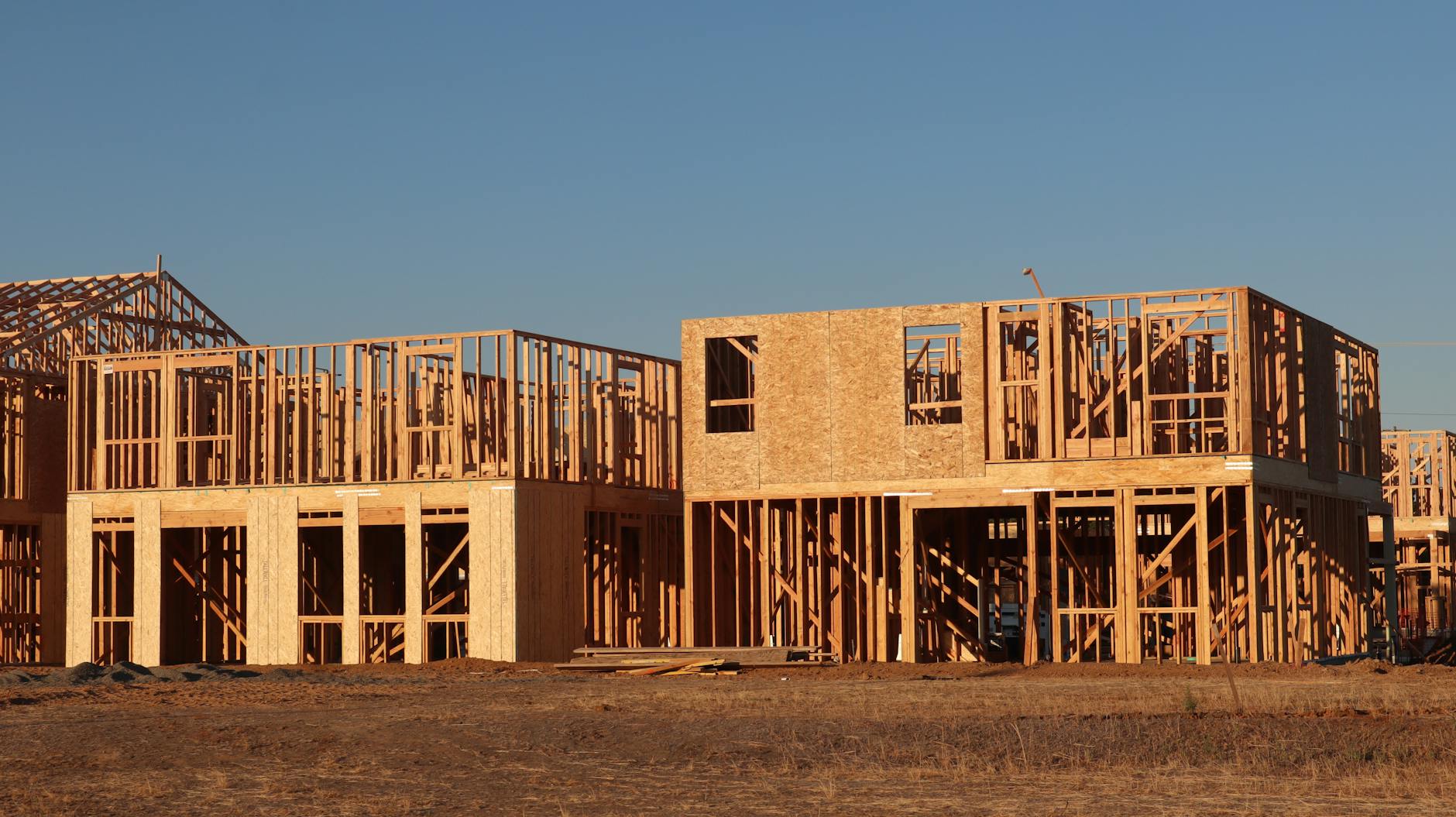
Building new home insurance is one of the most overlooked aspects of custom home construction. Every year, thousands of homeowners break ground without the right coverage in place. A standard homeowners policy does not protect a structure under construction. You need specialized insurance from day one. According to the Table of Contents
org/”>Insurance Information Institute, construction sites face unique risks. These include theft of materials, weather damage, and worker injuries. Without proper coverage, a single storm could cost you tens of thousands of dollars. The transition from construction insurance to a permanent homeowners policy also requires careful timing. Even a one-day gap in coverage can violate your construction loan terms. Understanding building new home insurance before you pour the foundation will protect your investment at every stage.
How Building New Home Insurance Affects Your Coverage
Building new home insurance starts with a builder’s risk policy. This is also called a course of construction policy. It covers the structure, materials, and fixtures from groundbreaking through completion. Most policies are “open peril,” meaning they cover all risks except specific exclusions. Typical exclusions include flood, earthquake, and faulty workmanship. Coverage amounts should equal the total completed value of the home. For example, a $400,000 build should carry $400,000 in builder’s risk coverage.
Your builder’s risk policy is property-only coverage. It does not cover bodily injury or liability claims. For that, you need your general contractor to carry general liability insurance. The National Association of Insurance Commissioners recommends verifying that your GC carries at least $1,000,000 per occurrence and $2,000,000 in aggregate liability coverage. Workers’ compensation is also required in nearly every state. If a subcontractor is injured on your property without coverage, you could face personal liability.
A standard HO-3 homeowners policy kicks in only after you receive your certificate of occupancy. The handoff between builder’s risk and homeowners coverage is critical. There must be zero gap between the two policies. Building new home insurance planning means scheduling both policies so they overlap by at least one day rather than leaving any gap.
Insurance Steps You Need to Take
Start your building new home insurance process before any materials arrive on site. Here are the key steps in order. First, bind your builder’s risk policy before your construction loan closes. Most lenders require proof of coverage before disbursing funds. Second, collect certificates of insurance from your general contractor and every subcontractor. Verify their general liability and workers’ compensation are current. Third, confirm that your builder’s risk policy includes transit coverage for materials being delivered.
About 60 to 90 days before your expected completion date, start shopping for your permanent homeowners policy. Get at least three quotes from different insurers. However, do not wait until the last minute. Underwriting can take two to four weeks. Your homeowners policy effective date should match your certificate of occupancy date exactly. As a result, you will avoid any dangerous coverage gaps.
If construction runs longer than expected, extend your builder’s risk policy before it expires. Most policies allow extensions in three-month increments. A lapsed builder’s risk policy means no coverage and could trigger a loan default. Keep your lender informed of any timeline changes. Building new home insurance requires active management throughout the entire construction process.
Coverage Adjustments to Consider
Several endorsements can strengthen your building new home insurance. Soft cost coverage pays for extra loan interest, permit reapplication fees, and temporary housing after a covered loss. For example, a fire at 80% completion could add six or more months of extra interest charges. Without this endorsement, those costs come out of your pocket. Theft coverage is also essential since construction sites are common targets for material theft.
Flood insurance requires a separate policy even during construction. The National Flood Insurance Program offers building-under-construction coverage up to $250,000 for residential structures. However, the structure typically must have walls and a roof for full NFIP coverage. In most cases, only foundation coverage applies before that point.
| Coverage Type | When Needed | Typical Cost |
|---|---|---|
| Builder’s Risk Policy | Before groundbreaking | 1%–4% of construction cost |
| General Liability (owner-builder) | If you manage the build yourself | $500–$2,000 per year |
| Flood Insurance (NFIP) | If in any flood zone | Varies by zone and stage |
| Soft Cost Endorsement | Recommended at policy start | Adds 5%–15% to premium |
| Standard Homeowners (HO-3) | At certificate of occupancy | Annual premium varies by location |
Building new home insurance costs typically run 1% to 5% of total construction cost. A $300,000 build might cost $3,000 to $12,000 for the builder’s risk policy term. Deductibles usually range from $1,000 to $5,000. In coastal areas, wind and hail deductibles can reach 2% to 5% of the insured value. On a $400,000 build, that means an $8,000 to $20,000 wind deductible.
How to Save Money During This Transition
Building new home insurance does not have to break your budget. Start by bundling your future homeowners policy with your auto insurance. Many insurers offer 10% to 25% multi-policy discounts. Ask about this upfront when shopping for builder’s risk coverage. Some carriers offer both builder’s risk and homeowners policies, making the transition seamless and potentially cheaper.
Choose a higher deductible on your builder’s risk policy to lower premiums. Moving from a $1,000 to a $2,500 deductible can reduce costs by 10% to 15%. However, make sure you can afford the deductible if a loss occurs. Installing security measures on your construction site also helps. Fencing, cameras, and motion-sensor lighting can reduce theft-related premiums. Typically, insurers reward proactive security measures with lower rates.
If your contractor is building the home, verify their insurance before buying your own. A licensed general contractor’s policy may include some builder’s risk coverage. In most cases, the GC’s coverage protects their work but not your full investment. For example, their policy may not cover materials you purchased separately. Still, understanding what the GC covers prevents you from paying for duplicate building new home insurance protection.
Common Mistakes to Avoid
The biggest building new home insurance mistake is assuming your contractor’s policy covers the structure. A general contractor’s insurance covers their liability and their work. It does not insure your building. You need a separate builder’s risk policy naming you and your lender as insured parties. Failing to get this is the most expensive mistake you can make.
Another common error is under-insuring the project. Some homeowners insure only for the loan amount instead of the full completed value. However, if a total loss occurs near completion, the loan amount may not cover the full rebuild. Always insure for the total completed value of the home. Additionally, many people skip flood insurance during construction. Builder’s risk policies exclude flood damage in nearly all cases. Even if your lot seems dry, check your flood zone status before starting.
Owner-builders face extra risks that many underestimate. Building new home insurance premiums for owner-builders run 25% to 50% higher than contractor-built projects. You also need your own general liability policy and workers’ compensation if hiring any labor. As a result, total insurance costs for a $300,000 owner-built home could reach $4,500 to $9,000 for builder’s risk alone. Budget for building new home insurance early so these costs do not surprise you mid-project.
Frequently Asked Questions
Do I need insurance while building a new home if my contractor has coverage?
Yes, you still need your own builder’s risk policy. Your contractor’s insurance covers their liability, not your structure. For example, if a storm destroys the framing, your contractor’s policy will not pay to rebuild it. Building new home insurance through a builder’s risk policy protects your financial investment directly.
How much does builder’s risk insurance cost for a new home?
Typically, builder’s risk insurance costs 1% to 4% of your total construction budget. A $350,000 build would cost roughly $3,500 to $14,000 for the full policy term. However, costs increase in high-risk areas such as coastal or high-crime zones. Building new home insurance rates also rise for owner-builders without a licensed general contractor.
When should I switch from builder’s risk to a homeowners policy?
Switch on the exact day you receive your certificate of occupancy or move in. In most cases, your builder’s risk policy expires at occupancy anyway. Start shopping for your homeowners policy 60 to 90 days before your expected completion date. This ensures a seamless transition with no gap in your building new home insurance coverage.
Compare Home Insurance Rates
Ready to see if you could be paying less for homeowners insurance? Compare quotes from top insurers in your area. Getting multiple quotes is the most effective way to find a better rate.
(paid link)
Official Sources & Resources
For verified information on home insurance regulations and consumer protection:
- NAIC (National Association of Insurance Commissioners): naic.org
- Insurance Information Institute: iii.org
- FEMA (Federal Emergency Management Agency): fema.gov
- FloodSmart (National Flood Insurance Program): floodsmart.gov
- USA.gov — Housing: usa.gov/housing
Content last reviewed April 2026. If you notice any outdated information, please contact us.