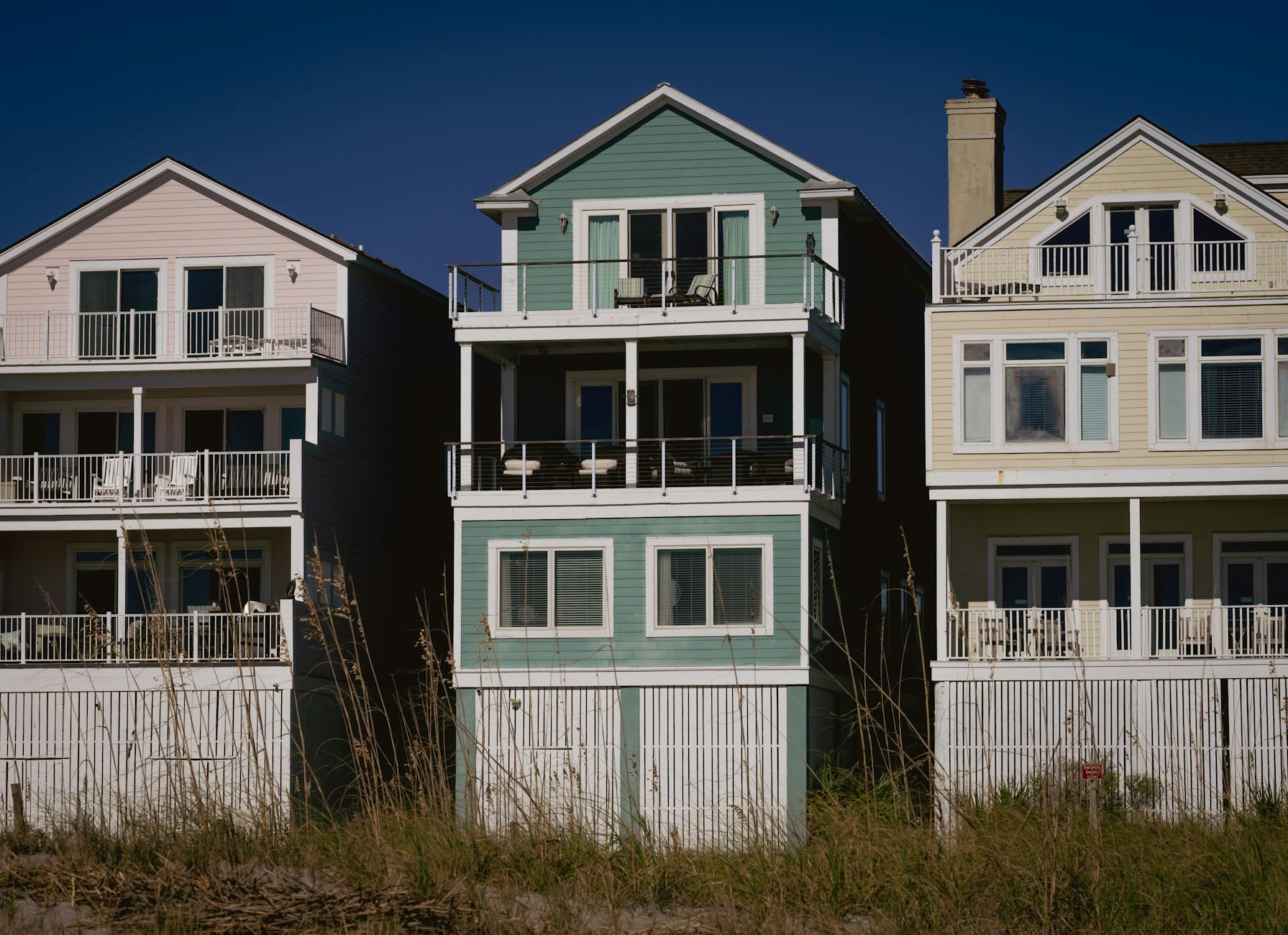
Buying second home insurance is one of the most important steps in the vacation or investment property process. Many buyers focus on mortgage rates and closing costs. However, insurance requirements deserve equal attention. A second home needs its own separate homeowners policy. Your primary residence coverage does not extend to another property.
Lenders will require proof of insurance before closing. In most cases, second home premiums run 10% to 35% higher than comparable primary home coverage. The national average for primary home insurance sits around $1,900 to $2,300 per year. A second home in a vacation area can cost $2,100 to $3,100 or more annually. Location, vacancy duration, and property age all drive these higher costs.
How Buying Second Home Insurance Affects Your Coverage
When buying second home insurance, you are starting a completely new policy. Nothing from your primary home policy transfers automatically. You will need dwelling coverage, personal property protection, liability coverage, and loss-of-use benefits. Each of these must be sized specifically for the second property. For example, rebuilding costs in mountain or coastal vacation areas are often higher than suburban locations. Contractor availability and material transport costs increase the price tag significantly.
The biggest coverage difference involves vacancy clauses. Most standard homeowners policies limit or exclude coverage when a home sits unoccupied for 60 consecutive days. This matters because second homes often sit empty for months. Excluded perils during vacancy typically include theft, vandalism, and glass breakage. As a result, you may need a vacancy endorsement or a seasonal home policy. These endorsements can add $1,000 to $3,000 per year to your premium.
Liability exposure also doubles when you own two properties. Most insurance professionals recommend at least $300,000 in liability coverage per property. If your second home has a pool, dock, or hot tub, consider $500,000 or more. An umbrella liability policy starting at $1 million costs roughly $150 to $350 per year. This is one of the best values in insurance for multi-property owners.
Insurance Steps You Need to Take When Buying Second Home Insurance
Start shopping for buying second home insurance at least 30 days before closing. Here are your key action steps. First, get quotes from at least three insurers. Second, ask your current carrier about multi-policy discounts. Third, order a CLUE report on the property to check its claims history. Fourth, determine the full replacement cost of the dwelling. Fifth, check whether the property falls in a FEMA flood zone requiring separate flood insurance.
Your mortgage lender will require dwelling coverage at least equal to the loan amount or replacement cost. The lender must be listed as the mortgagee on the policy. In coastal states like Florida, Texas, and the Carolinas, separate wind or hurricane coverage may be required. If you fail to maintain coverage, the lender will force-place insurance. This bare-bones policy typically costs two to three times what a standard policy would.
Gather these documents before applying: the property deed, mortgage details, home inspection report, and your primary home policy declarations page. Insurers will also want to know how many days per year the home will be occupied. Typically, homes occupied fewer than 180 days per year receive higher rates.
Coverage Adjustments to Consider
Buying second home insurance requires careful evaluation of several coverage types. Flood insurance is never included in standard homeowners policies. If your second home is near water, a separate policy is essential. The National Flood Insurance Program covers up to $250,000 for the dwelling and $100,000 for contents. However, about 25% of all flood claims come from outside high-risk zones. Private flood insurance may offer higher limits up to $1 million or more.
| Coverage Type | Recommended Limit | Estimated Annual Cost |
|---|---|---|
| Dwelling (replacement cost) | Full rebuild value | Included in base policy |
| Personal property | 50%–70% of dwelling value | Included in base policy |
| Liability | $300,000–$500,000 | Included in base policy |
| Umbrella policy | $1 million minimum | $150–$350 |
| Flood insurance | $250,000 dwelling / $100,000 contents | $700–$1,500 |
| Vacancy endorsement | Required if empty 60+ days | $1,000–$3,000 |
| Scheduled personal property | Varies by item value | $50–$300 per item |
Always choose replacement cost coverage instead of actual cash value. Actual cash value deducts depreciation. On an older vacation home, this gap can leave you tens of thousands of dollars short after a claim. Also consider scheduling high-value items like boats, sporting equipment, or artwork stored at the property. Standard contents coverage may not fully protect these belongings.
How to Save Money During This Transition
The smartest strategy when buying second home insurance is bundling. Insure both properties with one carrier for a multi-policy discount of 5% to 15%. Bundling home, auto, and umbrella coverage together can save 15% to 25% total. However, the cheapest insurer for your primary home may not offer the best rate in another state. Always compare bundled and unbundled quotes side by side.
Install smart home devices to lower your premium. Water leak detectors and automatic shut-off valves can earn discounts of 5% to 10%. Burst pipes are the number one claim at unoccupied homes. A monitored security system also helps reduce rates. For example, many insurers offer additional discounts for homes with smart thermostats that prevent frozen pipes during winter months.
Raise your deductible to reduce annual costs. Moving from a $1,000 deductible to $2,500 can cut premiums by 10% to 20%. Since second homes typically have fewer small claims, a higher deductible makes financial sense. Also review your property type insurance guides to understand coverage options specific to condos, cabins, or waterfront homes.
Common Mistakes to Avoid
The most common mistake when buying second home insurance is assuming your primary policy covers both properties. It never does. Each property requires its own standalone policy. Another frequent error is underinsuring the dwelling based on purchase price. Purchase price reflects land value and market conditions. Replacement cost reflects what it takes to rebuild the structure. In remote vacation areas, rebuilding costs are often 20% to 40% higher than suburban rates.
Failing to disclose rental activity is a serious mistake. Even renting your second home for one week on Airbnb or VRBO without notifying your insurer can void your entire policy. In most cases, homes rented fewer than 14 to 30 days per year qualify for a hybrid endorsement. Beyond that threshold, you need a landlord or commercial policy. The premium difference is manageable. The risk of having a claim denied is not.
Many owners also neglect to inventory personal property at the second home. Without documentation, proving losses after a theft or disaster becomes extremely difficult. Take photos of every room and keep receipts for valuable items. Store this inventory digitally in a cloud account you can access from anywhere. Typically, spending one afternoon on documentation can save you thousands in a future claim.
Frequently Asked Questions
Does buying second home insurance cost more than insuring a primary residence?
Yes, buying second home insurance typically costs 10% to 35% more than a primary home policy. However, the exact difference depends on location, vacancy duration, and property features. Coastal and mountain properties see the largest premium increases.
Can I use my primary homeowners policy to cover a second home?
No. Your primary home policy does not extend coverage to a second property. You must purchase a separate homeowners policy for the second home. In most cases, your mortgage lender will require proof of this separate policy before closing.
Do I need flood insurance when buying second home insurance for a lakefront property?
Flood damage is never covered by standard homeowners insurance. If your second home is in a FEMA flood zone, your lender will require a flood policy. However, even outside mandatory zones, flood coverage is strongly recommended for waterfront properties. NFIP policies cover up to $250,000 for the dwelling.
Compare Home Insurance Rates
Ready to see if you could be paying less for homeowners insurance? Compare quotes from top insurers in your area. Getting multiple quotes is the most effective way to find a better rate.
(paid link)
Official Sources & Resources
For verified information on home insurance regulations and consumer protection:
- NAIC (National Association of Insurance Commissioners): naic.org
- Insurance Information Institute: iii.org
- FEMA (Federal Emergency Management Agency): fema.gov
- FloodSmart (National Flood Insurance Program): floodsmart.gov
- USA.gov — Housing: usa.gov/housing
Content last reviewed April 2026. If you notice any outdated information, please contact us.