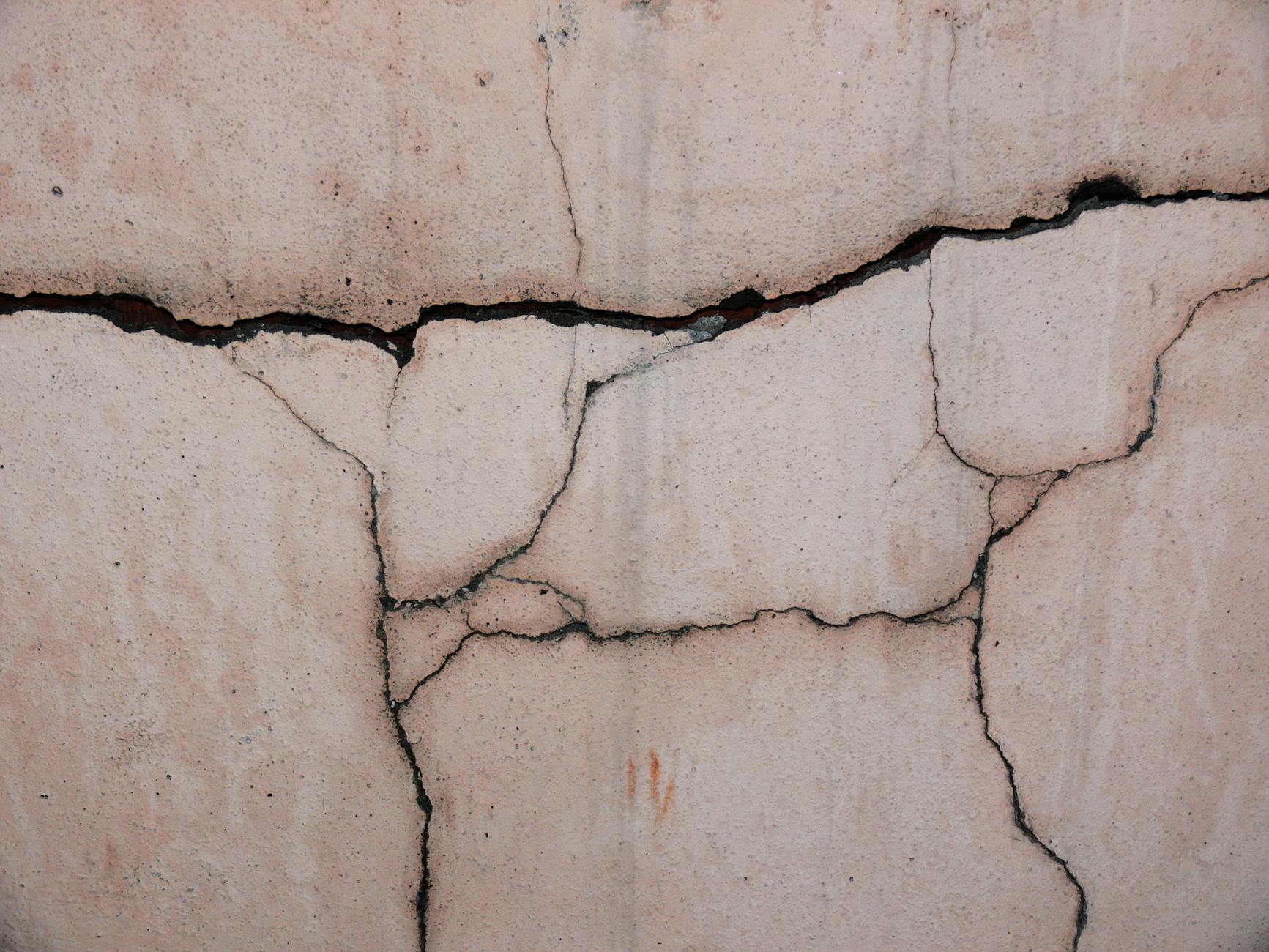
Earthquake insurance is a specialized property coverage that protects homeowners from financial losses caused by seismic activity. Standard homeowners insurance policies exclude earthquake damage entirely. This means shaking, cracking foundations, and collapsed walls are not covered under your regular policy. According to FEMA, the United States faces an estimated $14.
7 billion in annual earthquake-related building losses. Nearly 143 million Americans live in areas exposed to potentially damaging earthquakes. However, only about 11% of homeowners nationwide carry earthquake insurance. The risk extends well beyond California. The USGS identifies 16 states with the highest natural earthquake hazard. Understanding earthquake insurance is essential for protecting your home and financial stability in seismic zones.
What Is Earthquake Insurance?
Earthquake insurance is a separate policy or endorsement that covers damage to your home caused by seismic shaking. It is not included in standard homeowners, renters, or condo insurance policies. You must purchase it as a standalone policy or add it as an endorsement to your existing coverage. In California, the California Earthquake Authority (CEA) provides roughly two-thirds of all residential earthquake policies in the state. The CEA manages over 1.1 million active policies with more than $18 billion in claims-paying capacity.
Earthquake insurance typically includes three main components. Dwelling coverage pays to repair or rebuild your home’s structure. Personal property coverage replaces belongings damaged by the quake. Loss of use coverage pays for temporary housing if your home becomes uninhabitable. In most cases, these coverages have separate limits and deductibles. For example, the CEA also includes $10,000 in building code upgrade coverage per policy.
Premiums depend on several factors. Your home’s age, construction type, foundation style, and proximity to fault lines all affect cost. Wood-frame homes typically cost less to insure than brick or masonry structures. As a result, a $300,000 home in Sacramento might cost under $500 per year. A $750,000 home in San Francisco could cost around $2,000 annually.
What Does Earthquake Insurance Cover?
Earthquake insurance covers direct physical damage caused by seismic shaking. This includes cracked foundations, broken walls, collapsed chimneys, and structural failures. Your personal belongings inside the home are also covered. Furniture, electronics, clothing, and appliances damaged by shaking qualify for reimbursement under personal property coverage.
The table below summarizes the three main coverage components of a typical earthquake insurance policy.
| Coverage Type | What It Pays For | Typical Limits | Deductible |
|---|---|---|---|
| Dwelling | Structural repairs or rebuilding | Up to replacement cost | 5%–25% of dwelling limit |
| Personal Property | Damaged belongings inside the home | $5,000–$200,000+ | 5%–25% of property limit |
| Loss of Use | Temporary housing and living expenses | $1,500–$100,000+ | None in many policies |
| Building Code Upgrade | Bringing rebuilt home up to current codes | $10,000–$30,000 | Included in dwelling deductible |
It is important to note that earthquake insurance deductibles are percentage-based. They are calculated as a percentage of your dwelling coverage limit. For example, a 10% deductible on a $400,000 home means you pay the first $40,000 out of pocket. The NAIC reports that deductibles typically range from 2% to 20% of the home’s insured value. CEA policies offer deductible options of 5%, 10%, 15%, 20%, or 25%.
What Earthquake Insurance Does NOT Cover
Earthquake insurance has important exclusions that homeowners should understand. Fire caused by an earthquake is not covered by your earthquake policy. However, fire damage is covered under your standard homeowners insurance. This applies even when an earthquake ruptures a gas line and triggers the fire. Flood damage from tsunamis or broken dams also falls outside earthquake insurance coverage. You need a separate flood insurance policy for that protection.
Vehicle damage from earthquakes is another common exclusion. Your car is not protected by earthquake insurance. Instead, the comprehensive portion of your auto insurance covers vehicle earthquake damage. Damage to exterior landscaping is also excluded. Trees, shrubs, lawns, fences, and detached open sheds typically receive no coverage.
Landslides, sinkholes, and mudflows are generally excluded as well. These fall under broader “earth movement” exclusions in most policies. For homeowners facing multiple geological risks, a Difference in Conditions (DIC) policy may bundle earthquake, flood, and landslide coverage together. In most cases, reviewing your specific policy exclusions with your agent is the best way to identify gaps.
How Much Earthquake Insurance Do You Need?
The amount of earthquake insurance you need depends on your home’s replacement cost. Dwelling coverage should match the full cost to rebuild your home from the ground up. This figure is not the same as your home’s market value. Typically, your insurance agent or a contractor can help you estimate replacement cost. You should also factor in local building code requirements that may increase rebuilding expenses.
Personal property coverage should reflect the total value of your belongings. Create a home inventory to determine this number. The Insurance Information Institute recommends documenting items with photos and receipts. Loss of use coverage should be enough to pay for several months of temporary housing. After major earthquakes, repairs can take six months to over a year.
Choosing the right deductible is critical for earthquake insurance affordability. A higher deductible lowers your annual premium significantly. However, it also increases your out-of-pocket costs after a quake. For example, choosing a 15% deductible instead of 5% on a $500,000 home raises your out-of-pocket cost from $25,000 to $75,000. The CEA offers up to a 25% premium discount for homes with verified seismic retrofitting. FEMA research shows that every $1 spent on seismic retrofitting avoids $3 in future losses.
How to File an Earthquake Insurance Claim
After an earthquake, contact your insurance company as soon as possible. Report the damage even if it appears minor. Hidden structural damage often exists behind walls and beneath foundations. Your insurer will assign a claims adjuster to inspect your property. The adjuster will assess both visible and structural damage to determine your payout.
Document everything before and after the adjuster visits. Take photos and videos of all damage throughout your home. Keep all receipts for emergency repairs and temporary living expenses. Save every piece of correspondence with your insurer. Write down names, dates, and details of all phone conversations. For CEA policyholders, your participating insurance company handles claims on the CEA’s behalf.
The adjuster will calculate your total covered damage and subtract your percentage-based deductible. You will receive payment for covered losses above that threshold. If you disagree with the assessment, you can request a re-inspection. You may also hire a public adjuster or attorney to advocate on your behalf. Most states require insurers to acknowledge claims within a specific timeframe. Check with your state insurance department for local deadlines and consumer protections.
Frequently Asked Questions
Does my homeowners insurance cover earthquake damage?
No. Standard homeowners insurance policies specifically exclude earthquake damage. You must purchase a separate earthquake insurance policy or endorsement. However, fire caused by an earthquake is typically covered under your regular homeowners policy.
How much does earthquake insurance cost per year?
Costs vary widely based on location, home age, and construction type. For example, annual premiums in California can range from under $500 to over $2,000. Choosing a higher deductible and retrofitting your home can lower your premium significantly.
Is earthquake insurance worth it if I don’t live in California?
Earthquake risk exists in many states beyond California. In most cases, states like Washington, Oregon, Utah, Tennessee, and South Carolina face significant seismic hazard. The USGS reports that nearly 75% of the United States could experience damaging shaking. Earthquake insurance is worth considering wherever seismic risk exists.
Why are earthquake insurance deductibles so high?
Earthquake insurance deductibles are percentage-based, typically ranging from 5% to 25% of your dwelling coverage. Insurers set high deductibles because earthquake events cause widespread, catastrophic damage affecting many policyholders simultaneously. As a result, higher deductibles help keep annual premiums affordable for homeowners.
Compare Home Insurance Rates
Ready to see if you could be paying less for homeowners insurance? Compare quotes from top insurers in your area. Getting multiple quotes is the most effective way to find a better rate.
(paid link)
Official Sources & Resources
For verified information on home insurance regulations and consumer protection:
- NAIC (National Association of Insurance Commissioners): naic.org
- Insurance Information Institute: iii.org
- FEMA (Federal Emergency Management Agency): fema.gov
- FloodSmart (National Flood Insurance Program): floodsmart.gov
- USA.gov — Housing: usa.gov/housing
Content last reviewed April 2026. If you notice any outdated information, please contact us.