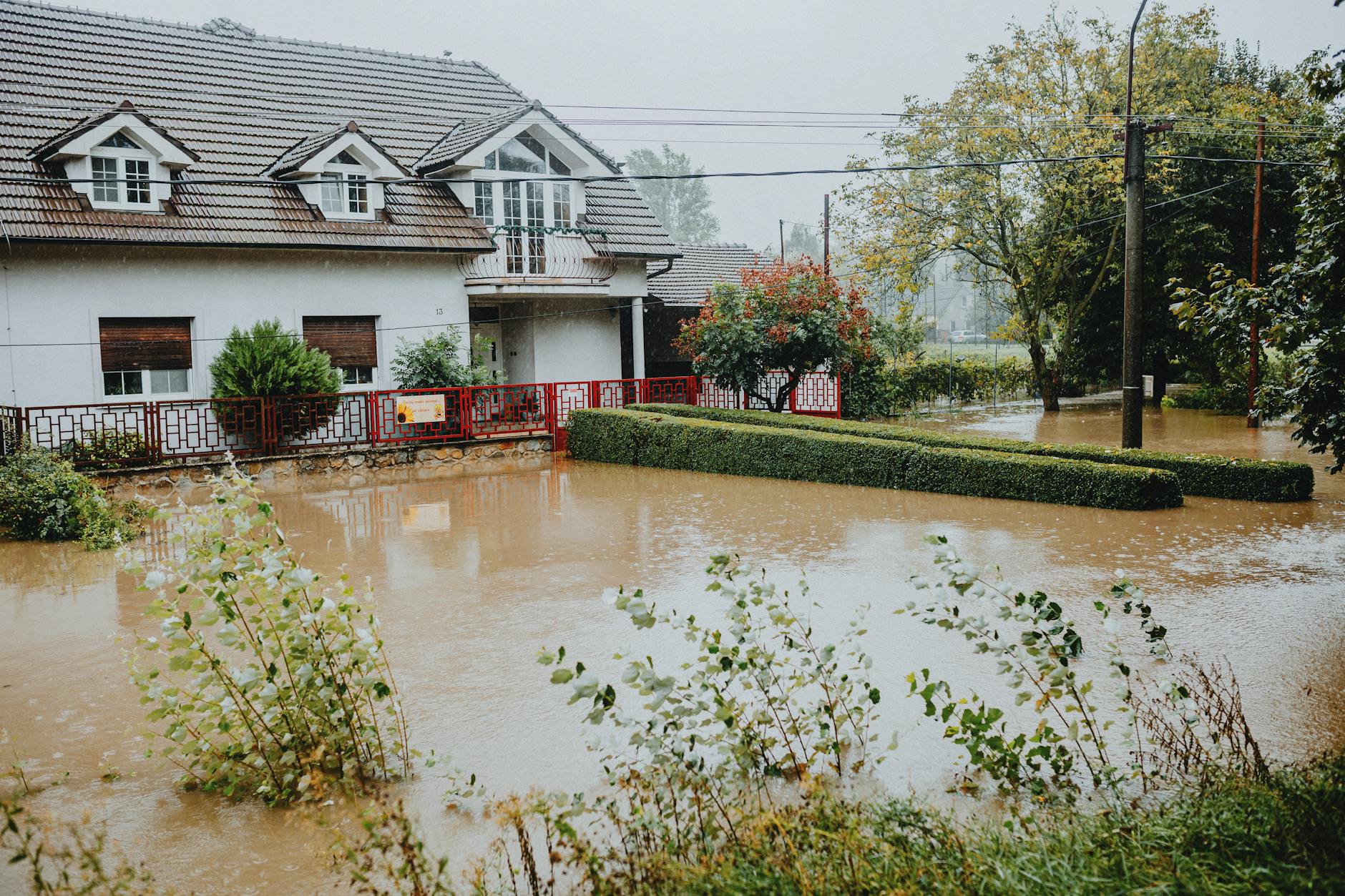
Flood insurance nfip vs private is one of the most important decisions homeowners face when protecting their property from water damage. Standard homeowners insurance does not cover flood damage. This surprises many people after a disaster strikes. The National Flood Insurance Program, run by FEMA, has been the primary source of flood coverage since 1968. However, private flood insurers have expanded rapidly in recent years.
Approximately 4.7 million households hold NFIP policies today. Meanwhile, private flood policies have nearly doubled since 2020, reaching about 569,000 residential policies in 2024. Understanding flood insurance nfip vs private helps you choose the right protection for your home and budget. Both options have distinct coverage limits, pricing structures, and policy features worth comparing.
What Is Flood Insurance Nfip Vs Private?
Flood insurance nfip vs private refers to two separate ways homeowners can buy flood protection. The NFIP is a federal program administered by FEMA. It offers standardized policies through participating insurance agents. Private flood insurance comes from individual insurance companies. These companies set their own rates, terms, and coverage limits. Both types protect your home and belongings from flood-related damage.
The NFIP was created because most private insurers refused to cover floods. The risk was too unpredictable and too expensive. However, the private flood market has grown significantly since 2016. The number of private insurers offering flood coverage increased 51% between 2016 and 2022, according to NAIC data. As a result, homeowners now have more choices when shopping for flood insurance nfip vs private policies.
If your home is in a high-risk flood zone and you have a federally backed mortgage, flood insurance is required. In most cases, either an NFIP or private policy will satisfy this requirement. Your lender must accept a private flood policy if it meets federal standards under the Biggert-Waters Act.
What Does Flood Insurance Nfip Vs Private Cover?
Both NFIP and private flood policies cover direct physical damage from flooding. This includes storm surge, heavy rain, river overflow, and snowmelt. However, the scope of coverage differs significantly between the two options. Understanding flood insurance nfip vs private coverage details helps you avoid gaps.
| Coverage Feature | NFIP | Private Flood |
|---|---|---|
| Building coverage limit | $250,000 maximum | Up to $5 million–$7 million |
| Contents coverage limit | $100,000 maximum | Higher limits available |
| Contents valuation | Actual cash value only | Replacement cost often available |
| Additional living expenses | Not covered | Often included |
| Basement contents | Very limited | More broadly covered |
| Waiting period | 30 days standard | Often 1–14 days |
| Other structures (fences, pools) | Not covered | Some policies cover these |
The NFIP covers structural elements like walls, floors, foundation, electrical systems, and HVAC equipment. It also covers major appliances such as refrigerators and water heaters. For example, detached garages are covered up to 10% of the building limit. Private policies typically match these coverages and add extras like loss of use and food spoilage protection.
What Flood Insurance Nfip Vs Private Does NOT Cover
Neither NFIP nor private flood insurance covers all types of water damage. The NFIP specifically excludes landscaping, decks, patios, fences, and swimming pools. Currency, precious metals, and important documents are also excluded. Damage from moisture or mold that the homeowner could have prevented is not covered.
NFIP policies do not pay for additional living expenses. If your home is uninhabitable after a flood, you must pay for temporary housing yourself. This is a major gap. However, many private flood insurance nfip vs private comparisons highlight that private carriers often include this coverage. Vehicles are excluded under both policy types. Auto flood damage falls under comprehensive car insurance instead.
Basement coverage is especially limited under the NFIP. Only installed equipment connected to a power source is covered below grade. Furniture, clothing, and electronics stored in basements are excluded. Private flood policies, in most cases, offer broader basement protection.
How Much Flood Insurance Nfip Vs Private Do You Need?
The amount of flood insurance nfip vs private coverage you need depends on your home’s value and risk level. FEMA’s Risk Rating 2.0 system, fully implemented in April 2023, prices NFIP policies based on individual property risk factors. These include distance to water, flood frequency, and rebuilding costs. The national average NFIP premium is approximately $899 per year.
If your home is worth more than $250,000, the NFIP building limit may not be enough. For example, a home valued at $400,000 would face a $150,000 coverage gap under the NFIP. A private flood policy can cover the full replacement cost. Private premiums vary widely based on risk. In some low-risk areas, private policies can be cheaper than the NFIP. In high-risk zones, they may cost more.
Typically, insurance experts recommend buying enough coverage to fully rebuild your home. You should also insure your contents at replacement cost value if possible. When evaluating flood insurance nfip vs private options, get quotes from both sources. Compare not just price, but coverage limits, deductibles, and waiting periods. NFIP deductibles range from $1,000 to $10,000 for building coverage.
How to File a Flood Insurance Nfip Vs Private Claim
Filing a flood insurance nfip vs private claim starts immediately after the floodwater recedes. Contact your insurance agent or carrier as soon as it is safe. For NFIP policies, you must file a proof of loss within 60 days of the flood. Document all damage thoroughly with photos and video before cleaning up.
An adjuster will inspect your property. For NFIP claims, FEMA-certified adjusters handle the process. They assess structural and contents damage separately. Keep all receipts for emergency repairs and temporary housing. However, do not make permanent repairs until the adjuster completes the inspection. This could jeopardize your claim.
Private flood insurers follow their own claims timelines. In most cases, the process is similar but may be faster. Some private carriers offer advance payments for immediate needs. As a result, many homeowners find private claims easier to navigate. Regardless of which flood insurance nfip vs private policy you hold, keep a home inventory list updated. This speeds up the claims process significantly.
Frequently Asked Questions
Is private flood insurance accepted by mortgage lenders?
Yes. Federal law requires lenders to accept private flood policies that meet specific coverage standards. However, check with your lender first to confirm their requirements. In most cases, a compliant private policy satisfies the federal mandate for flood insurance nfip vs private coverage.
Can I switch from NFIP to a private flood policy?
Yes, you can switch at any time. Typically, homeowners switch when they find better rates or broader coverage from a private carrier. However, if you cancel your NFIP policy and later want to return, you may face a new 30-day waiting period.
Does flood insurance nfip vs private cover sewer backup?
No. Neither NFIP nor most private flood policies cover sewer backup caused by internal plumbing issues. For example, a backed-up sewer line requires a separate sewer backup endorsement on your homeowners policy. Flood insurance only covers damage from external floodwater entering your home.
How long is the NFIP waiting period compared to private flood insurance?
The standard NFIP waiting period is 30 days from the date of purchase. Private flood insurance waiting periods are often much shorter. Some private carriers offer coverage in as few as 1 to 14 days. As a result, private policies can be useful when you need flood protection quickly.
Compare Home Insurance Rates
Ready to see if you could be paying less for homeowners insurance? Compare quotes from top insurers in your area. Getting multiple quotes is the most effective way to find a better rate.
(paid link)
Official Sources & Resources
For verified information on home insurance regulations and consumer protection:
- NAIC (National Association of Insurance Commissioners): naic.org
- Insurance Information Institute: iii.org
- FEMA (Federal Emergency Management Agency): fema.gov
- FloodSmart (National Flood Insurance Program): floodsmart.gov
- USA.gov — Housing: usa.gov/housing
Content last reviewed April 2026. If you notice any outdated information, please contact us.