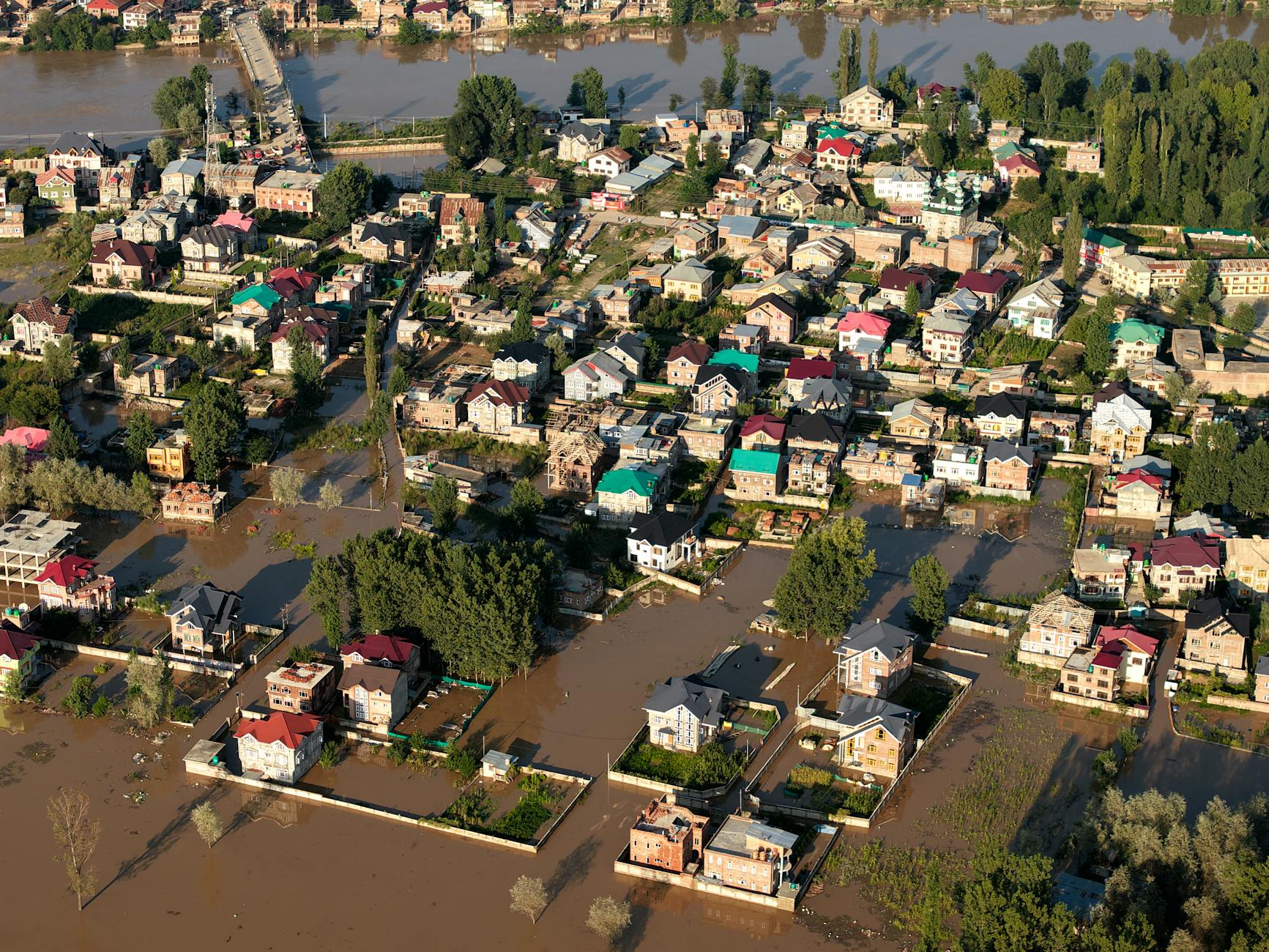
Flood zone home insurance guide topics matter more today than ever before. Flooding is the most common natural disaster in the United States. Yet standard homeowners insurance never covers flood damage. FEMA estimates that just one inch of floodwater can cause $25,000 in damage.
Over 40% of NFIP flood claims come from outside high-risk zones. That means even homeowners in moderate-risk areas face real financial exposure. This flood zone home insurance guide breaks down FEMA flood zones, the National Flood Insurance Program, and private market alternatives. Understanding your options is the first step toward protecting your home and finances from devastating flood losses.
Understanding the Risk: Flood Zone Home Insurance Guide
FEMA classifies flood risk using letter-based zone designations. Zone A and Zone AE are high-risk Special Flood Hazard Areas with a 1% annual chance of flooding. Zone V and Zone VE are high-risk coastal zones subject to storm surge and wave action exceeding three feet. Zone X (shaded) represents moderate risk with a 0.2% annual flood chance. Zone X (unshaded) indicates minimal risk. Zone D means the area has not been studied yet.
Homeowners with federally backed mortgages in A or V zones must carry flood insurance. However, flooding does not respect map boundaries. According to FEMA, roughly 25% to 40% of all NFIP claims originate from properties outside designated high-risk zones. In most cases, homeowners in these areas carry no flood coverage at all.
The numbers tell a sobering story. The NFIP has paid out over $96 billion in claims since 1968. The average flood claim payout is approximately $53,000. Florida holds about 1.7 million NFIP policies — roughly 35% of the national total. Texas, Louisiana, New Jersey, and New York round out the top five states. Hurricane Helene in 2024 caused over $30 billion in damages, with catastrophic inland flooding reaching western North Carolina. This flood zone home insurance guide emphasizes that no region is truly safe from flood risk.
What Standard Homeowners Insurance Covers (and Doesn’t)
Standard homeowners policies universally exclude flood damage. This applies to HO-3 and HO-5 policy forms across every major carrier. The exclusion covers rising water from rivers, storm surge, mudflow, surface water overflow, and sewer backup caused by external flooding. As a result, homeowners without a separate flood policy face total out-of-pocket losses after a flood event.
Many people misunderstand their coverage. According to the Insurance Information Institute, roughly 40% to 50% of homeowners believe their standard policy includes flood protection. It does not. Standard policies cover sudden internal water damage like burst pipes. However, they never cover water that enters from outside the home due to natural flooding.
This flood zone home insurance guide stresses that the coverage gap is absolute. No endorsement or rider on a standard homeowners policy will add flood coverage. You need a separate, dedicated flood insurance policy from either the NFIP or a private insurer. For example, even comprehensive HO-5 policies with broad “open perils” language specifically exclude flooding in the policy exclusions section.
Additional Coverage Options for Flood Zone Home Insurance Guide
The National Flood Insurance Program is the primary source of flood coverage in the United States. The NFIP covers up to $250,000 for residential structures and $100,000 for personal contents. Typically, there is a 30-day waiting period before coverage takes effect. The program currently insures approximately 4.7 million properties nationwide. However, NFIP coverage limits may not be enough for higher-value homes.
Private flood insurance has grown significantly since 2012. The private market now writes an estimated $4 to $5 billion in annual premium. Private carriers offer several advantages over the NFIP. For example, coverage limits can exceed $1 million. Private policies often include replacement cost coverage instead of actual cash value. Waiting periods may be shorter. In most cases, lower-risk properties find better rates through private insurers.
| Feature | NFIP | Private Flood Insurance |
|---|---|---|
| Max Building Coverage | $250,000 | $1 million or more |
| Max Contents Coverage | $100,000 | $500,000 or more |
| Valuation Method | Actual Cash Value (contents) | Replacement Cost available |
| Waiting Period | 30 days | Often 10–15 days |
| Basement Coverage | Limited | Broader options available |
| Loss of Use Coverage | Not included | Often included |
| Available Nationwide | Yes (participating communities) | Varies by state and carrier |
This flood zone home insurance guide recommends comparing both NFIP and private options. Florida leads private flood insurance adoption. Texas, California, and northeastern states also have growing private markets. Some homeowners carry both NFIP and private excess flood policies to close coverage gaps completely.
How Much Does Flood Zone Home Insurance Guide Cost?
FEMA’s Risk Rating 2.0 pricing system launched in 2021 and 2022. It replaced the old zone-based rating with individualized property-level pricing. Factors now include flood frequency, distance to water, property elevation, and replacement cost. The national average NFIP premium is approximately $800 to $900 per year. However, high-risk coastal properties may pay $3,000 to $10,000 or more annually.
Under Risk Rating 2.0, about 23% of policyholders saw immediate premium decreases. Roughly 66% experienced increases of $10 per month or less. About 11% faced increases exceeding $10 per month. Annual rate increases are capped at 18% per year as rates phase toward full actuarial pricing. This flood zone home insurance guide notes that many properties have not yet reached their full-risk rate.
State-by-state costs vary dramatically. A flood zone home insurance guide for Florida homeowners looks very different from one for Colorado residents. For example, a Zone AE property in coastal Florida might pay $2,500 annually. A similar property in a moderate-risk Zone X area inland might pay $400 to $600. Private flood insurance can sometimes undercut NFIP pricing for properties with favorable risk profiles. Shopping both markets is essential.
How to Reduce Your Risk and Lower Premiums
Elevating your home above the Base Flood Elevation is the most effective mitigation strategy. Homes elevated one or more feet above BFE can see 30% to 60% premium reductions. An Elevation Certificate documents your property’s elevation relative to the BFE. This flood zone home insurance guide strongly recommends obtaining one even if not required.
FEMA’s Community Rating System offers premium discounts for all NFIP policyholders within participating communities. Over 1,500 communities take part. Discounts range from 5% to 45% depending on the community’s CRS class. Installing FEMA-compliant flood vents in enclosed areas below BFE also reduces premiums. As a result, structural modifications can yield significant long-term savings.
Federal mitigation grants can offset improvement costs. FEMA’s BRIC program and Flood Mitigation Assistance grants may cover up to 75% of elevation costs. Typical home elevation projects cost $30,000 to $100,000. Additional steps include installing backflow valves, maintaining sump pumps, using flood-resistant building materials, and ensuring proper yard grading. This flood zone home insurance guide advises treating mitigation as an investment rather than an expense.
Frequently Asked Questions
Do I need flood insurance if I’m not in a FEMA high-risk zone?
Yes, you should strongly consider it. Over 25% of NFIP flood claims come from moderate- and low-risk zones. In most cases, preferred-risk policies for these areas cost significantly less than high-risk zone premiums.
What is the difference between NFIP and private flood insurance?
The NFIP is a federal program with standardized coverage and limits. Private flood insurance offers higher limits, replacement cost options, and sometimes lower premiums. However, private availability varies by state and property risk level.
How long does it take for a flood zone home insurance guide policy to become active?
NFIP policies typically have a 30-day waiting period before coverage begins. For example, you cannot buy a policy during a hurricane warning and expect immediate coverage. Private insurers may offer shorter waiting periods of 10 to 15 days.
Compare Home Insurance Rates
Ready to see if you could be paying less for homeowners insurance? Compare quotes from top insurers in your area. Getting multiple quotes is the most effective way to find a better rate.
(paid link)
Official Sources & Resources
For verified information on home insurance regulations and consumer protection:
- NAIC (National Association of Insurance Commissioners): naic.org
- Insurance Information Institute: iii.org
- FEMA (Federal Emergency Management Agency): fema.gov
- FloodSmart (National Flood Insurance Program): floodsmart.gov
- USA.gov — Housing: usa.gov/housing
Content last reviewed April 2026. If you notice any outdated information, please contact us.