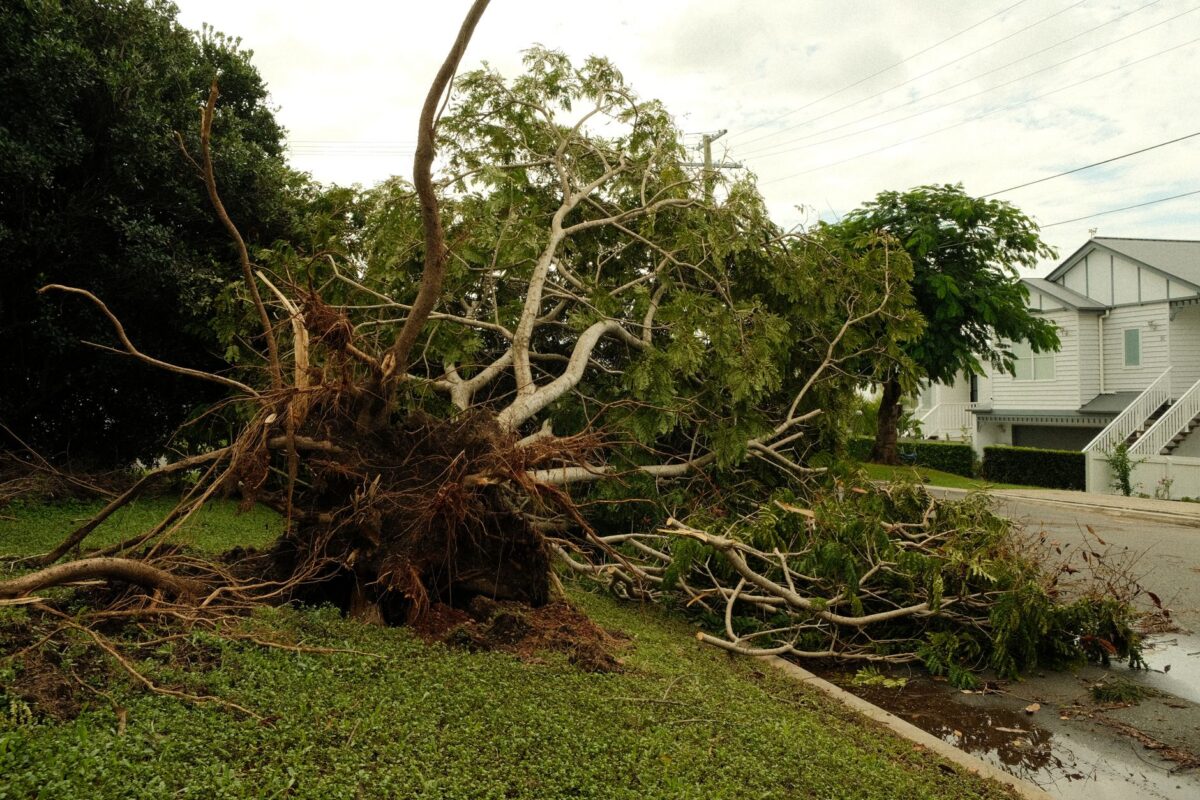
Hurricane deductible explained simply, this is the amount you pay out of pocket before your insurer covers hurricane damage. It works differently from your standard homeowners deductible. Instead of a flat dollar amount, it is usually a percentage of your home’s insured value. For example, a 2% hurricane deductible on a $300,000 home means you pay $6,000 before coverage begins. That is significantly more than a typical $1,000 standard deductible.
Currently, 19 states and Washington D.C. allow or require hurricane deductibles in homeowners policies. These states include Florida, Texas, Louisiana, North Carolina, and other coastal regions. Understanding how your hurricane deductible explained in your policy works is essential before storm season arrives. As a result, every homeowner in a hurricane-prone area should review their policy carefully.
Hurricane Deductible Explained: How It Differs from Standard Deductibles
A standard homeowners deductible is a fixed dollar amount. It might be $500, $1,000, or $2,500. You pay that amount for any covered claim. However, a hurricane deductible works on a percentage basis. It is calculated as a percentage of your dwelling coverage, also called Coverage A. Typical percentages range from 1% to 5%. In high-risk coastal zones, they can reach 10% or even 15%.
Here is how the hurricane deductible explained in real dollar terms looks across different home values:
| Home Insured Value | Deductible Percentage | Your Out-of-Pocket Cost |
|---|---|---|
| $200,000 | 2% | $4,000 |
| $300,000 | 2% | $6,000 |
| $300,000 | 5% | $15,000 |
| $500,000 | 5% | $25,000 |
| $300,000 | 10% | $30,000 |
As you can see, the out-of-pocket cost rises quickly. A homeowner with a $500,000 policy and a 5% deductible would pay $25,000 before insurance kicks in. For this reason, it is critical to know your percentage before a storm hits.
When Does a Hurricane Deductible Apply?
Your hurricane deductible only triggers under specific conditions. It does not apply to everyday wind damage or thunderstorms. Typically, it activates when the National Hurricane Center declares a hurricane watch or warning for your area. Some policies use a broader “named storm” trigger. That means any storm named by the National Weather Service could activate the higher deductible.
In most cases, the deductible window covers a specific timeframe. This usually spans from 24 hours before the storm is officially named to 72 hours after it is downgraded. Any damage within that window falls under the hurricane deductible explained in your policy. Damage outside that window would use your standard deductible instead. However, trigger definitions vary by state and insurer. For example, some states require a formal hurricane landfall at Category 1 or higher.
Hurricane deductibles became common after Hurricane Andrew in 1992. That storm caused over $27 billion in damage. Insurers needed a way to share catastrophic risk with policyholders. As a result, state regulators began approving percentage-based deductibles. The National Association of Insurance Commissioners (NAIC) now tracks hurricane deductible data across the industry at standard 2% and 5% tiers.
How to Manage Your Hurricane Deductible Costs
First, review your declarations page. Look for the hurricane or windstorm deductible section. It will list your percentage or dollar amount. If you are unsure, call your insurance agent and ask them to explain your hurricane deductible explained on your policy. In some states like Florida, insurers must offer a flat-dollar alternative. You may be able to choose a $500 fixed deductible instead. However, this typically raises your annual premium.
Second, consider setting aside savings equal to your hurricane deductible. If your deductible is $10,000, build an emergency fund to cover it. This way, you are not caught off guard after a storm. Additionally, check whether your state offers any consumer protections. The Insurance Information Institute (III) provides state-by-state guides on hurricane deductible rules.
Third, compare quotes from multiple insurers. Deductible percentages vary between companies. One insurer may offer a 2% hurricane deductible while another requires 5%. Shopping around could save you thousands in out-of-pocket costs after a storm. For example, switching from a 5% to a 2% deductible on a $300,000 home reduces your exposure by $9,000. Having your hurricane deductible explained by each insurer before you buy ensures you make the right choice.
🏠 Get Free Home Insurance Guides
Free · No spam · Unsubscribe anytime
Frequently Asked Questions
What is a hurricane deductible and how is it calculated?
A hurricane deductible is a percentage of your home’s insured dwelling value. For example, a 2% deductible on a $300,000 home equals $6,000 out of pocket. This is separate from your standard flat-dollar deductible, and having your hurricane deductible explained before storm season helps you plan financially.
Which states require hurricane deductibles?
Currently, 19 states and Washington D.C. allow hurricane or named-storm deductibles. These include Florida, Texas, Louisiana, North Carolina, South Carolina, Georgia, Alabama, Mississippi, and other Atlantic and Gulf Coast states. In most cases, insurers in high-risk coastal zones make percentage deductibles mandatory.
Can I lower my hurricane deductible?
In some states, you can choose a lower percentage or a flat-dollar option. However, selecting a lower hurricane deductible typically increases your annual premium. For example, Florida requires insurers to offer a $500 flat-dollar alternative. As a result, understanding your hurricane deductible explained in full helps you balance premium costs against storm risk.
Compare Home Insurance Rates
Ready to see if you could be paying less for homeowners insurance? Compare quotes from top insurers in your area. Getting multiple quotes is the most effective way to find a better rate.
(paid link)
Official Sources & Resources
For verified information on home insurance regulations and consumer protection:
- NAIC (National Association of Insurance Commissioners): naic.org
- Insurance Information Institute: iii.org
- FEMA (Federal Emergency Management Agency): fema.gov
- FloodSmart (National Flood Insurance Program): floodsmart.gov
- USA.gov — Housing: usa.gov/housing
Content last reviewed June 2026. If you notice any outdated information, please contact us.