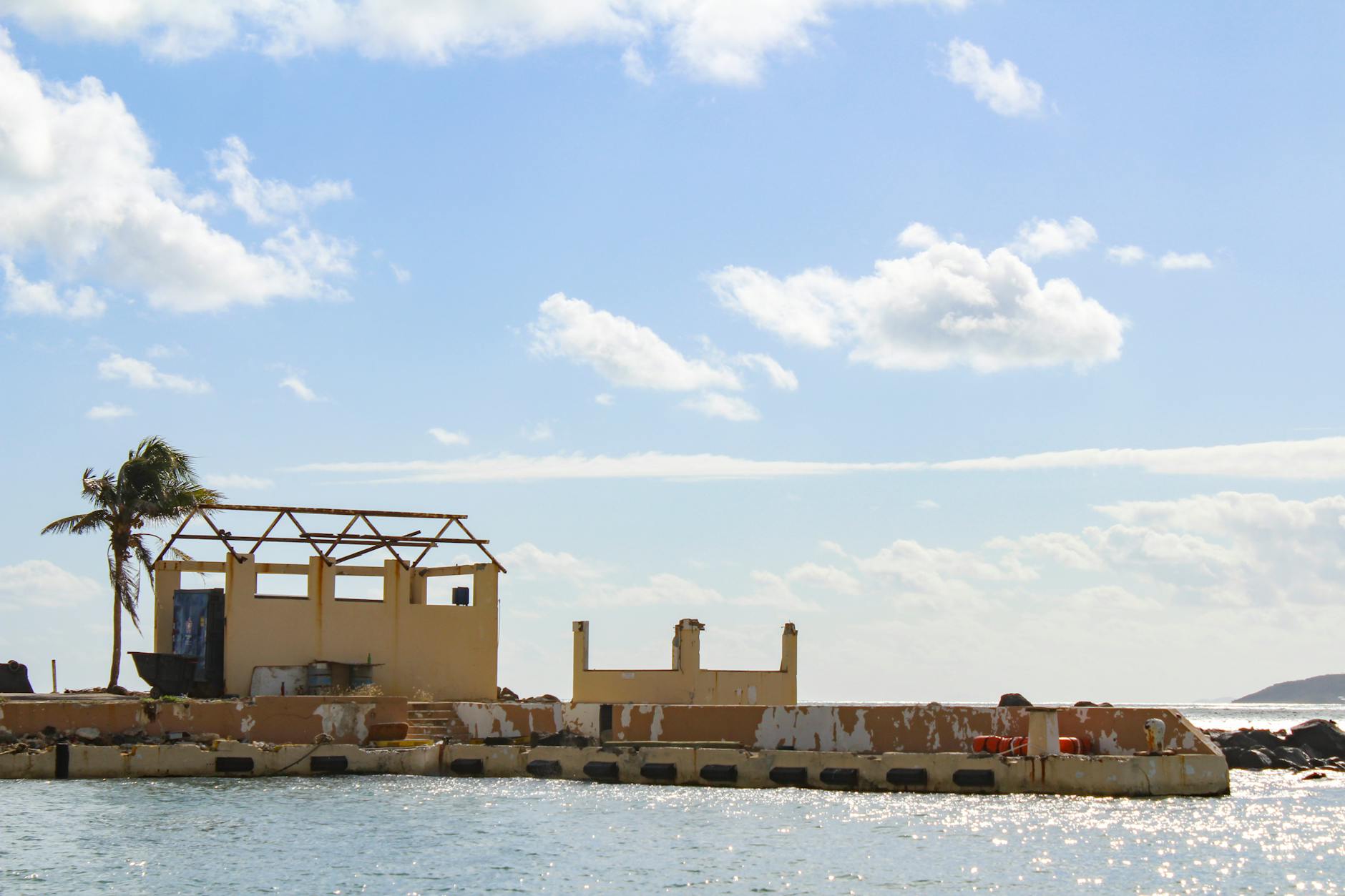
Hurricane zone home insurance is essential for millions of homeowners along the Atlantic and Gulf coasts. The United States averages seven hurricanes per year, according to NOAA’s 1991–2020 climatology. Florida alone has recorded 125 hurricane landfalls since 1851.
In 2024, Hurricanes Helene and Milton caused $44 billion in combined insured losses. Standard homeowners policies cover wind damage but exclude flooding and storm surge. As a result, families in hurricane-prone states often discover devastating coverage gaps after a storm hits. Understanding how deductibles, wind pools, and FAIR plans work is critical. Without the right coverage, a single hurricane can wipe out a lifetime of savings. This guide breaks down everything you need to know about protecting your home in a high-risk zone.
Understanding the Risk: Hurricane Zone Home Insurance
Hurricane zone home insurance addresses a growing threat. NOAA’s 2025 forecast projects 13–19 named storms, 6–10 hurricanes, and 3–5 major hurricanes. The agency estimates a 60 percent chance of an above-normal season. In 2024, five storms made U.S. landfall, including two major hurricanes. Hurricane Ian in 2022 caused $54 billion in insured losses alone.
The most vulnerable states include Florida, Texas, Louisiana, North Carolina, and South Carolina. However, inland areas face serious risk too. For example, 20 percent of all NFIP flood claims come from properties outside designated flood zones. FEMA classifies coastal areas as Zone V, meaning they face a one percent annual flood chance plus storm-driven wave action. Over a 30-year mortgage, that translates to a 26 percent probability of flooding.
Financial devastation extends beyond property damage. The average FEMA disaster grant covers just $3,208 per household. In contrast, the average NFIP flood claim pays out $52,000. That gap leaves homeowners dangerously exposed without proper hurricane zone home insurance coverage.
What Standard Homeowners Insurance Covers (and Doesn’t)
A standard HO-3 homeowners policy does cover wind damage. This includes roof damage, broken siding, and wind-driven rain that enters through storm-damaged openings. It also covers debris removal, damaged personal property, and additional living expenses if your home becomes uninhabitable. In most cases, your standard policy handles the wind component of a hurricane.
However, standard policies exclude all flood damage. Storm surge is classified as flooding, so it is not covered. Rising water of any kind falls outside your policy. Sewer and drain backups require a separate endorsement. This distinction matters enormously. If wind tears a hole in your roof and rain pours in, that is typically covered. If water rises from the ground during the same hurricane, it is not.
This coverage gap is why hurricane zone home insurance requires multiple policies working together. You need your standard homeowners policy for wind, a separate flood policy for rising water, and potentially a wind pool policy if private insurers won’t cover your area. Typically, new flood policies carry a 30-day waiting period, so you cannot buy coverage when a storm is already approaching.
Additional Coverage Options for Hurricane Zone Home Insurance
Several programs exist for homeowners who cannot find private coverage. Wind pools serve coastal areas where insurers have pulled out. Citizens Property Insurance in Florida held over 1.5 million policies at its peak, though depopulation efforts reduced that to roughly 395,000 by late 2025. The Texas Windstorm Insurance Association (TWIA) covers wind and hail along the Texas seacoast and added 50,000 policies in the last two years.
FAIR plans provide basic property coverage in states where private insurance is unavailable. According to the NAIC, 34 states plus Washington D.C. operate some form of FAIR plan or residual market program. Unlike wind pools, FAIR plans typically cover fire, wind, hail, and other basic perils. Wind pools focus specifically on wind-only coverage in designated coastal zones.
| Program | State | Coverage Type | Key Detail |
|---|---|---|---|
| Citizens Property Insurance | Florida | Multi-peril (hybrid) | ~395,000 policies; recommending rate cuts for 2026 |
| TWIA | Texas | Wind & hail only | Exposures up 27% in 2023, 19% in 2024 |
| Louisiana Citizens | Louisiana | FAIR + Coastal hybrid | Statewide coverage, not just coastal |
| MWUA | Mississippi | Wind & hail only | Covers 6 coastal counties; free FORTIFIED endorsement |
| NCIUA | North Carolina | Coastal property pool | Beach and coastal area coverage |
| SC Wind & Hail | South Carolina | Wind & hail only | Zone 1 (coastal) and Zone 2 (expanded) |
| AIUA | Alabama | Wind pool | Baldwin and Mobile counties south of 31st parallel |
| NFIP | Nationwide | Flood only | $250K dwelling / $100K contents max |
The NFIP covers up to $250,000 for your dwelling and $100,000 for contents. The national average premium is $926 per year. As of late 2025, more than 4.5 million policies are in force across 22,600 communities. FEMA’s Risk Rating 2.0, fully implemented in April 2023, now prices flood insurance based on individual property risk rather than zone classification alone.
How Much Does Hurricane Zone Home Insurance Cost?
Hurricane zone home insurance costs vary dramatically by state. Florida leads the nation at $7,136 per year—roughly three times the national average of $2,258 to $2,490. Louisiana follows at over $6,000 annually, with a 58 percent rate increase projected for 2026. Texas homeowners pay approximately $4,915 per year. South Carolina averages around $3,410. Nationally, homeowners insurance rates increased 10.4 percent in 2024, with 34 states seeing double-digit hikes.
Hurricane deductibles add significant out-of-pocket exposure. Unlike standard flat deductibles, hurricane deductibles are percentage-based. They are calculated on your dwelling coverage, not the damage amount. For example, a two percent deductible on a $300,000 home means $6,000 out of pocket before insurance pays. Eighteen states allow hurricane or windstorm deductibles, with typical ranges from one to five percent. In Florida, insurers must offer options at $500 flat, two percent, five percent, and ten percent.
Flood insurance adds another layer of cost. Under Risk Rating 2.0, 77 percent of NFIP policyholders face premium increases, though 96 percent see less than $20 per month in additional costs. The annual rate cap is 18 percent for primary residences. For homeowners needing comprehensive hurricane zone home insurance, the combined cost of homeowners, flood, and wind pool policies can easily exceed $10,000 annually in high-risk areas.
How to Reduce Your Risk and Lower Premiums
Home hardening offers the best path to lower hurricane zone home insurance premiums. The IBHS FORTIFIED Home designation can reduce wind premiums by 35 to 60 percent in Alabama, which leads the nation with over 30,000 FORTIFIED homes. Mississippi offers discounts up to 55 percent on the wind portion of premiums. These programs reward verified roof upgrades, opening protection, and structural reinforcements.
Florida’s My Safe Florida Home program provides free wind mitigation inspections and matching grants. The state allocated $280 million for the program. It matches two dollars for every one dollar homeowners spend on improvements. Eligible upgrades include impact windows, hurricane shutters, roof-to-wall attachments, and secondary water resistance. Potential premium reductions reach up to 50 percent.
Additional strategies include raising your hurricane deductible to lower premiums, bundling policies with one carrier, and maintaining a claims-free history. However, choosing a higher deductible means more financial risk after a storm. Installing verified impact shutters or windows alone can save 5 to 25 percent on wind coverage. Strengthening your roof system with documented upgrades can save another 15 to 35 percent. Every mitigation step improves both your safety and your hurricane zone home insurance costs.
Frequently Asked Questions
Is hurricane damage covered by standard homeowners insurance?
Wind damage from hurricanes is typically covered by standard HO-3 policies. However, flood damage and storm surge are always excluded. As a result, you need a separate flood policy through the NFIP or a private insurer to cover rising water from a hurricane.
How does a hurricane deductible work?
A hurricane deductible is a percentage of your dwelling coverage, not a flat dollar amount. For example, a two percent deductible on a $250,000 home means you pay $5,000 out of pocket. In most cases, it triggers when the National Weather Service declares a hurricane watch or warning for your area.
What is the difference between a wind pool and a FAIR plan?
Wind pools provide wind-only and hail-only coverage in designated coastal zones. FAIR plans offer broader coverage including fire, wind, and basic perils, and they serve areas beyond just the coast. Typically, both serve as insurers of last resort when private hurricane zone home insurance is unavailable in your area.
Compare Home Insurance Rates
Ready to see if you could be paying less for homeowners insurance? Compare quotes from top insurers in your area. Getting multiple quotes is the most effective way to find a better rate.
(paid link)
Official Sources & Resources
For verified information on home insurance regulations and consumer protection:
- NAIC (National Association of Insurance Commissioners): naic.org
- Insurance Information Institute: iii.org
- FEMA (Federal Emergency Management Agency): fema.gov
- FloodSmart (National Flood Insurance Program): floodsmart.gov
- USA.gov — Housing: usa.gov/housing
Content last reviewed April 2026. If you notice any outdated information, please contact us.