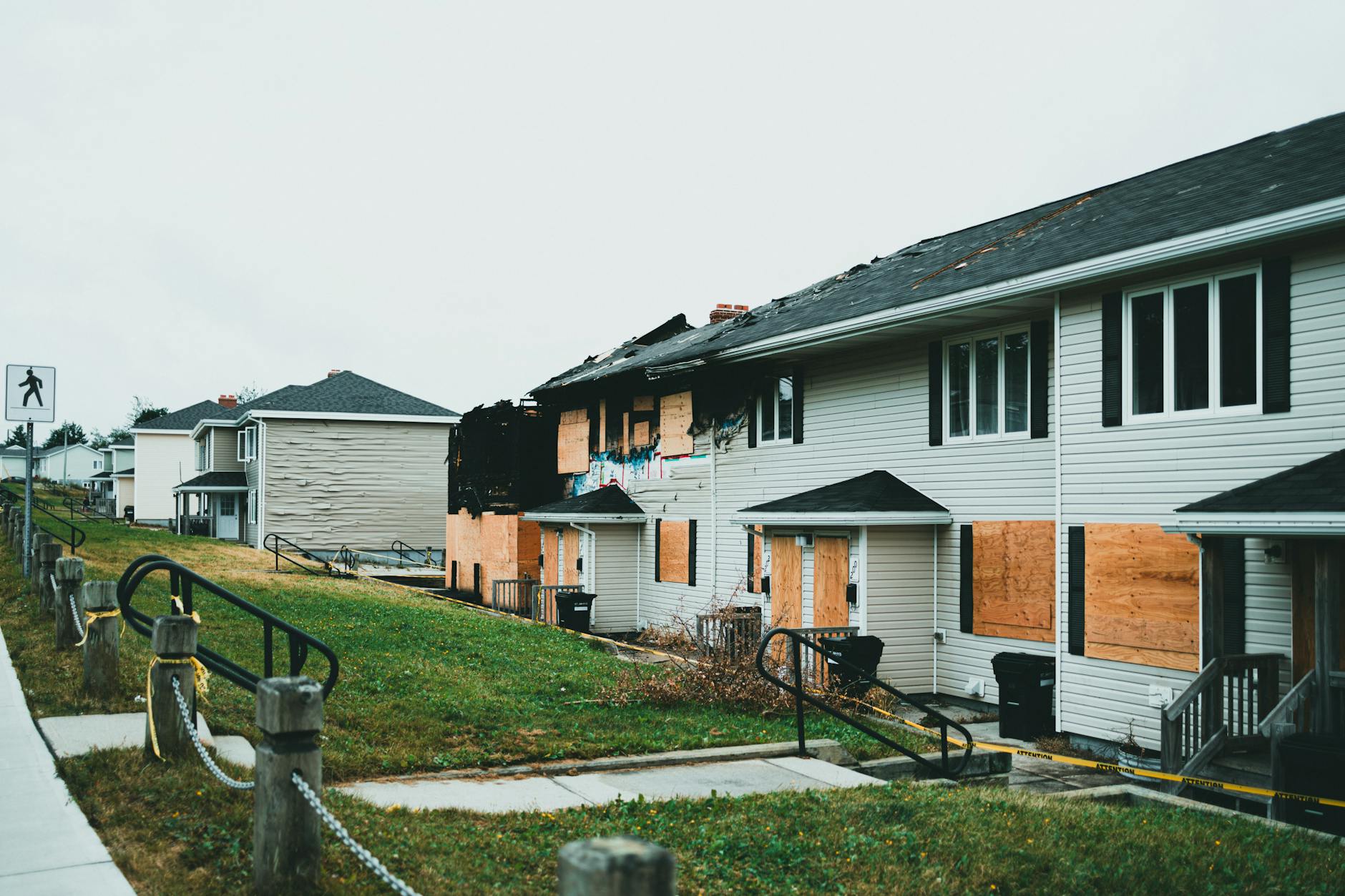
Hurt on property incidents happen more often than most homeowners expect. According to the Insurance Information Institute, about 35.2 million Americans suffered an unintentional injury at home in 2023 alone.
That includes guests, delivery workers, and even trespassers in some cases. If someone gets hurt on property you own, you could face medical bills, legal fees, and a lawsuit. Your homeowners insurance policy likely includes liability coverage. However, many homeowners carry too little protection. Understanding your exposure is the first step toward avoiding a financial disaster. This guide breaks down what happens when someone is hurt on property, what your policy covers, and how to protect yourself.
How Homeowners Insurance Covers You When Someone Is Hurt on Property
A standard HO-3 homeowners policy includes two key liability protections. The first is personal liability coverage. This pays for legal defense costs and court-awarded damages if someone is hurt on property you own. Most policies start at $100,000 in liability coverage. However, the III recommends carrying at least $300,000 to $500,000.
The second protection is medical payments to others. This is a no-fault benefit. It allows injured guests to submit medical bills without filing a lawsuit against you. Typical limits range from $1,000 to $5,000 per person. For example, if a neighbor trips on your front steps and needs stitches, this coverage pays the bill directly. No blame needs to be established.
There are important exclusions. Your policy does not cover injuries to your own household members. It also excludes intentional harm. In most cases, injuries related to home-based businesses require separate coverage. Dog bite rules vary by state and breed restrictions may apply.
What Happens When Someone Gets Hurt on Property — The Legal Side
When a person is hurt on property, the legal concept of premises liability comes into play. Property owners have a duty of care to keep their premises reasonably safe. This applies to known hazards like icy walkways, broken railings, and uneven floors. Courts examine whether the owner knew about the danger and failed to fix it.
The financial stakes are significant. According to jury verdict research, the median premises liability award is approximately $90,000. The average verdict reaches $643,099. Cases involving spinal injuries push the median to $150,000 or higher. As a result, a basic $100,000 liability policy may not be enough.
| Claim Type | Median Verdict | Average Verdict |
|---|---|---|
| General slip and fall | $45,000–$98,000 | $643,099 |
| Spinal disc injury | $162,000–$185,000 | Varies widely |
| Recreational facility injury | $125,000 | $1,007,704 |
The average premises liability case takes about 24 months to resolve. During that time, legal fees accumulate. Typically, your insurance company assigns a defense attorney at no extra cost to you. However, if the judgment exceeds your policy limit, you pay the difference out of pocket.
Pools, Trampolines, and the Attractive Nuisance Doctrine
Certain features on your property increase liability risk dramatically. Swimming pools are classified as “attractive nuisances” under the law. This means you may be liable even if a trespassing child is hurt on property with a pool. The attractive nuisance doctrine holds property owners responsible for hazards that attract children who cannot understand the danger.
Trampolines, tree houses, and unfenced ponds fall under similar rules. If you own any of these features, insurers typically require safety measures. For example, pool owners must install fences with self-closing gates on all sides. Some insurers refuse to cover homes with trampolines altogether. As a result, you should contact your insurance provider before adding these features.
For homeowners with pools or high-risk features, an umbrella liability policy is strongly recommended. The first $1 million of umbrella coverage costs only $150 to $300 per year. Each additional $1 million costs roughly $50 to $75 more. This coverage kicks in after your homeowners policy limit is exhausted. It provides essential protection when someone is seriously hurt on property with these features.
Steps to Take If Someone Is Hurt on Property You Own
First, ensure the injured person receives medical attention immediately. Call 911 if the injury is serious. Document the scene with photos and written notes. Record the date, time, weather conditions, and what caused the injury. Do not admit fault or make statements about responsibility.
🏠 Get Free Home Insurance Guides
Free · No spam · Unsubscribe anytime
Next, contact your insurance company as soon as possible. Most policies require prompt notification of any incident where someone is hurt on property. Delays can jeopardize your coverage. Provide your insurer with all documentation and the injured person’s contact information. Your insurer will assign a claims adjuster to investigate.
Finally, take corrective action to prevent future incidents. Fix the hazard that caused the injury. Keep records of all repairs and maintenance. In most cases, showing that you acted quickly and responsibly strengthens your legal position. Consult with your insurance agent about whether your current coverage limits are adequate. Increasing liability limits from $100,000 to $300,000 typically costs only $20 to $30 more per year.
Frequently Asked Questions
Am I liable if a trespasser is hurt on property I own?
In most cases, property owners have limited liability toward trespassers. However, the attractive nuisance doctrine is a major exception. If a child trespasses and is hurt on property because of a pool or similar hazard, you may still be held responsible. Courts evaluate whether you took reasonable steps to prevent access.
How much liability coverage do I need as a homeowner?
The NAIC recommends enough coverage to protect your total assets. For example, if your home and savings are worth $400,000, carry at least $400,000 in liability coverage. Typically, an umbrella policy provides the most cost-effective way to reach higher limits.
Does my homeowners insurance cover dog bites when someone is hurt on property?
Most standard homeowners policies cover dog bite liability. However, some insurers exclude certain breeds or require additional riders. Dog bite claims account for over one-third of all homeowners liability payouts, according to the III. As a result, check your policy for breed-specific exclusions before assuming you are covered.
Compare Home Insurance Rates
Ready to see if you could be paying less for homeowners insurance? Compare quotes from top insurers in your area. Getting multiple quotes is the most effective way to find a better rate.
(paid link)
Official Sources & Resources
For verified information on home insurance regulations and consumer protection:
- NAIC (National Association of Insurance Commissioners): naic.org
- Insurance Information Institute: iii.org
- FEMA (Federal Emergency Management Agency): fema.gov
- FloodSmart (National Flood Insurance Program): floodsmart.gov
- USA.gov — Housing: usa.gov/housing
Content last reviewed April 2026. If you notice any outdated information, please contact us.