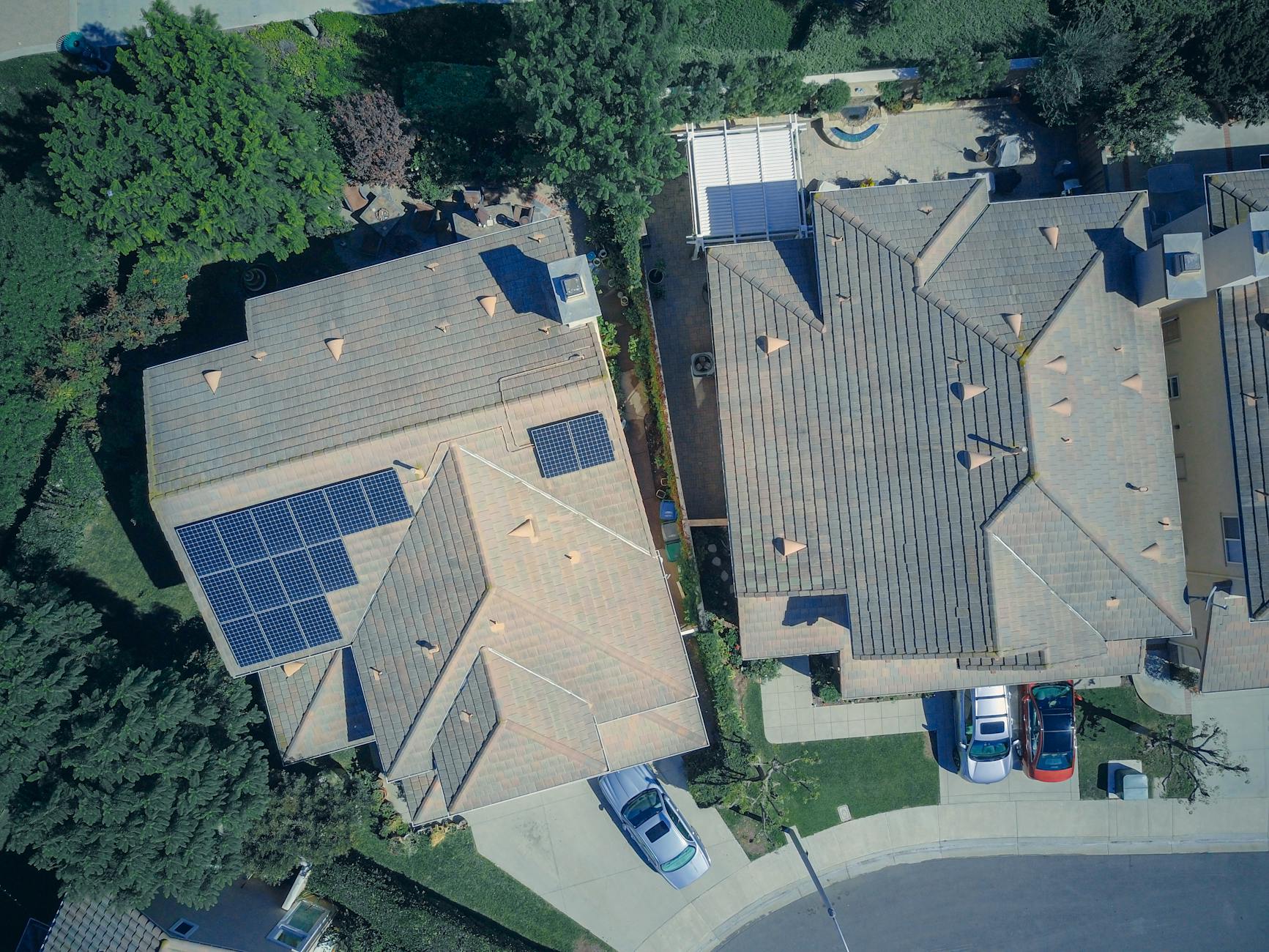
Installing solar panels insurance is one of the most overlooked steps in any solar project. Homeowners spend weeks comparing panel brands and installers. However, many forget to update their insurance policy before or after installation. A typical residential solar system costs $20,000 to $35,000. That added value means your home’s replacement cost jumps significantly. Without proper coverage adjustments, you could be underinsured by tens of thousands of dollars. As a result, a single storm or fire could leave you paying out of pocket for panel replacement. Understanding how installing solar panels insurance works protects both your investment and your home.
How Installing Solar Panels Insurance Affects Your Coverage
Roof-mounted solar panels are generally covered under your dwelling coverage. This is Coverage A of a standard HO-3 homeowners policy. Your insurer treats them as a permanent attachment to your home. In most cases, this means fire, wind, hail, lightning, and vandalism are covered perils. However, ground-mounted panels fall under Coverage B for other structures. That coverage is typically only 10% of your dwelling limit.
Standard policies do not cover everything related to installing solar panels insurance. Mechanical breakdown, inverter failure, and electrical surges are excluded. Wear and tear is also not covered. For example, an inverter replacement can cost $1,000 to $3,000. You would need a separate equipment breakdown endorsement for that protection. Additionally, flood and earthquake damage require their own policies.
The biggest impact is on your premium. According to the Insurance Information Institute, adding solar panels increases your replacement cost. A $25,000 system on a $300,000 home raises your dwelling limit to $325,000. Typically, this adds $100 to $300 per year to your premium. That translates to roughly $5 to $25 per month.
Installing Solar Panels Insurance Steps You Need to Take
First, contact your insurance agent before installation begins. Notify them of the project scope, system cost, and installation timeline. Ask specifically about installing solar panels insurance requirements for your policy. Your agent will tell you exactly how much to increase your dwelling coverage. Keep all invoices, system specifications, and warranty documents handy. Your insurer may request these during the coverage update.
Second, increase your dwelling coverage to reflect the full installed cost. Do not subtract the federal tax credit from this amount. The U.S. Department of Energy notes the 30% Investment Tax Credit runs through 2032. However, your insurer needs to cover the full replacement cost. A $30,000 system should add $30,000 to your dwelling limit, not $21,000.
Third, request an equipment breakdown endorsement. This rider costs $25 to $75 per year. It covers inverter failures, electrical surges, and mechanical breakdowns. Most installers offer a 10 to 12 year inverter warranty. After that period, this endorsement becomes essential. Complete all coverage changes within 30 days of installation.
Coverage Adjustments to Consider
Several coverage types need attention when addressing installing solar panels insurance. The table below outlines the key adjustments and their estimated costs. Review each one carefully with your agent.
| Coverage Type | What It Covers | Estimated Annual Cost |
|---|---|---|
| Dwelling increase (Coverage A) | Replacement cost of roof-mounted panels | $100–$300 added to premium |
| Other structures (Coverage B) | Ground-mounted arrays or carport panels | Included in standard policy |
| Equipment breakdown endorsement | Inverter failure, electrical surge, mechanical issues | $25–$75 per year |
| Liability (Coverage E) | Injury during maintenance or installation | Included in standard policy |
| Loss of use (Coverage D) | Living expenses if solar-related damage displaces you | Included in standard policy |
| Flood or earthquake | Panel damage from flood or seismic events | Separate policy required |
If you lease your solar panels, the installing solar panels insurance situation changes. The leasing company typically insures the equipment they own. However, you still need coverage for damage the panels may cause to your roof or home. Ask your leasing company for proof of their insurance. Then confirm liability boundaries with your own agent in writing.
How to Save Money During This Transition
Bundle your installing solar panels insurance update with other policy changes. For example, many insurers offer discounts when you increase your dwelling coverage and add endorsements at the same time. Ask about green energy or solar-specific discounts. Some carriers like Erie Insurance offer dedicated solar endorsements that may cost less than separate riders.
Shop around before accepting your current insurer’s rate increase. Get quotes from at least three carriers. According to EnergySage, premium increases vary significantly between insurers. One company may charge $300 per year more while another charges only $100. In most cases, a 15-minute phone call can save you hundreds annually.
Maintain your solar system properly to avoid claims. Clean panels, trim nearby trees, and schedule annual inspections. A strong claims history keeps your premiums low over time. Additionally, installing a monitoring system helps you catch problems early. This prevents small issues from becoming expensive insurance claims.
Common Mistakes to Avoid
The most common installing solar panels insurance mistake is not notifying your insurer. Many homeowners assume panels are automatically covered. Technically, roof-mounted panels are covered under dwelling insurance. However, your coverage limit stays the same unless you update it. As a result, you could be $20,000 or more underinsured after installation.
Another frequent mistake involves installing solar panels insurance for leased systems. Homeowners often assume the leasing company handles everything. However, if a leased panel causes a roof fire, both insurers may dispute responsibility. Get clear documentation of who covers what before installation day. This prevents costly gaps in your coverage.
Finally, many homeowners skip the equipment breakdown endorsement. Standard policies only cover external damage like storms and fire. They do not cover internal failures like inverter malfunctions. For just $25 to $75 per year, this endorsement fills that gap. Skipping it to save money typically backfires when a $2,000 inverter fails after the warranty expires.
Frequently Asked Questions
Does homeowners insurance automatically cover solar panels?
In most cases, roof-mounted solar panels are covered under your existing dwelling policy. However, your coverage limit does not automatically increase to reflect the added value. You must contact your insurer to update your installing solar panels insurance limits after installation.
How much does home insurance go up with solar panels?
Typically, installing solar panels insurance adds $100 to $300 per year to your premium. The exact amount depends on your system cost, location, and insurer. For example, a $25,000 system may only add $8 to $15 per month to your bill.
Do I need special insurance if I lease my solar panels?
The leasing company usually insures the panels they own. However, you should confirm this in your lease agreement. Your own installing solar panels insurance should still cover any damage the leased panels cause to your home’s roof or structure.
Compare Home Insurance Rates
Ready to see if you could be paying less for homeowners insurance? Compare quotes from top insurers in your area. Getting multiple quotes is the most effective way to find a better rate.
(paid link)
Official Sources & Resources
For verified information on home insurance regulations and consumer protection:
- NAIC (National Association of Insurance Commissioners): naic.org
- Insurance Information Institute: iii.org
- FEMA (Federal Emergency Management Agency): fema.gov
- FloodSmart (National Flood Insurance Program): floodsmart.gov
- USA.gov — Housing: usa.gov/housing
Content last reviewed April 2026. If you notice any outdated information, please contact us.