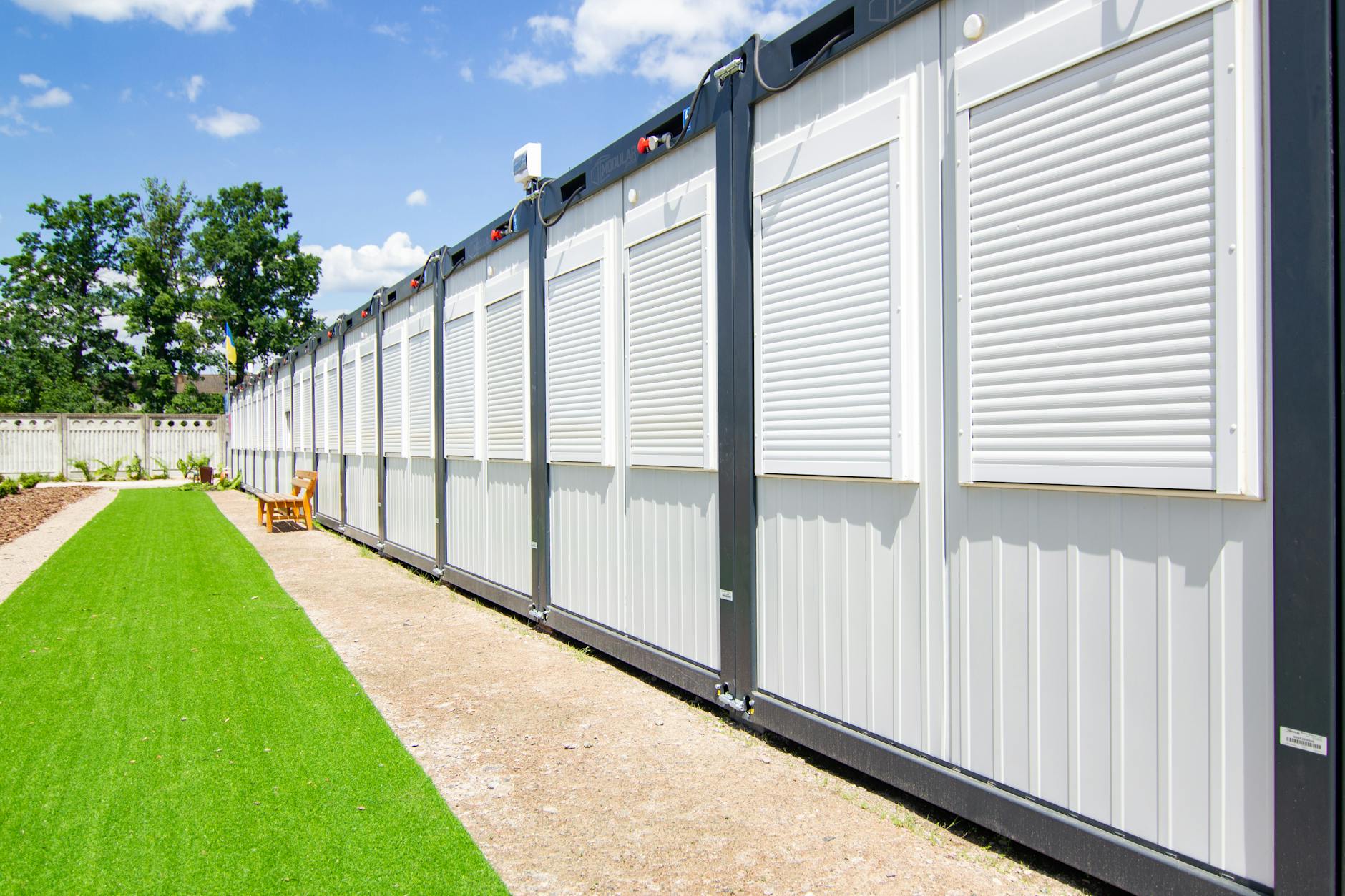
Manufactured home insurance protects factory-built homes that meet federal HUD construction standards. Many homeowners confuse manufactured homes with mobile homes. However, these are legally distinct property types. A manufactured home was built after June 15, 1976 under the HUD Federal Manufactured Home Construction and Safety Standards. A mobile home was built before that date. This distinction matters for insurance. Manufactured home insurance uses different policy forms, pricing models, and coverage terms than standard homeowners insurance. Understanding these differences helps you get the right protection at the best price.
What Is Manufactured Home Insurance?
Manufactured home insurance is a specialized policy designed for factory-built homes. The standard policy form is the HO-7, also called the Mobile Homeowners policy. It differs from the HO-3 policy used for traditional site-built homes. The HO-3 covers your dwelling on an open-perils basis. In most cases, the HO-7 covers your dwelling on a named-perils basis instead. This means only specifically listed dangers are covered.
Some insurers now offer open-perils endorsements for manufactured home insurance policies. These upgrades bring coverage closer to what a site-built homeowner receives. However, they typically cost more. The HO-7 also accounts for risks unique to manufactured homes. These include transport damage, detachment from the foundation, and wind vulnerability.
Manufactured home insurance covers attached structures like carports and decks. It may also cover the cost of resetting your home on its foundation after a covered loss. This is a feature you will not find in a standard HO-3 policy.
What Does Manufactured Home Insurance Cover?
A manufactured home insurance policy includes several key coverage components. Coverage A protects the dwelling itself. Coverage B covers other structures like sheds and fences. Coverage C protects your personal property. Coverage D pays additional living expenses if your home becomes uninhabitable. Coverage E provides personal liability protection.
Typically, your dwelling coverage ranges from $30,000 to $150,000 or more. Personal property coverage is usually 50 to 70 percent of the dwelling amount. Liability coverage starts at $100,000 and can increase to $500,000.
| Coverage Feature | Manufactured Home (HO-7) | Standard Home (HO-3) |
|---|---|---|
| Dwelling coverage basis | Named perils (upgradeable) | Open perils |
| Personal property basis | Named perils | Named perils |
| Foundation reset coverage | Yes | Not applicable |
| Transport damage coverage | Available by endorsement | Not applicable |
| Tie-down / anchoring discounts | Yes (5-15% savings) | Not applicable |
| Average annual premium | $1,000 – $1,500 | $2,000 – $2,300 |
| Typical dwelling value | $30,000 – $150,000 | $250,000+ |
What Manufactured Home Insurance Does NOT Cover
Like all homeowners policies, manufactured home insurance has exclusions. Flood damage is never covered under a standard HO-7 policy. You need a separate policy from the National Flood Insurance Program or a private flood insurer. Earthquake and earth movement damage are also excluded.
Damage that occurs during transport or relocation is typically excluded. Wear and tear, settling, and inherent construction defects are not covered either. For example, if your roof leaks due to age-related deterioration, your claim will likely be denied.
Many insurers refuse to cover homes that lack proper tie-downs or approved foundations. As a result, homes that sit on temporary blocking without engineered anchoring may be uninsurable. Units built before 1976 face the biggest challenges. They predate HUD safety standards. Some insurers decline coverage entirely for pre-1976 mobile homes.
How Much Does Manufactured Home Insurance Cost?
The national average for manufactured home insurance runs between $1,000 and $1,500 per year. Single-wide homes cost roughly $700 to $1,100 annually. Double-wide homes cost $1,000 to $1,700 per year. These premiums are lower than the national average for standard homeowners insurance. However, the rate per $1,000 of coverage is actually higher due to greater risk.
Several factors unique to manufactured homes affect your premium. Age is the biggest one. Homes older than 20 years may see premium surcharges of 20 to 40 percent. Foundation type matters too. A permanent concrete foundation lowers your cost compared to pier-and-beam setups. Properly engineered tie-down systems can reduce premiums by 5 to 15 percent.
Location plays a major role as well. HUD designates three wind zones across the country. Homes in Wind Zone III along coastal areas carry the highest premiums. In hurricane-prone states like Florida and Texas, manufactured home insurance can exceed $2,000 per year. Enclosed skirting around the base can also reduce your premium slightly.
How to Find the Best Manufactured Home Insurance
Foremost Insurance Group is the largest manufactured home insurer in the country. They are a subsidiary of Farmers Insurance. American Modern Insurance Group is another major carrier specializing in this market. American Family, State Farm, and USAA also write manufactured home insurance policies. However, State Farm is selective and prefers newer units on permanent foundations.
When shopping for manufactured home insurance, compare at least three quotes. Ask each carrier about open-perils endorsements. Check whether they offer discounts for tie-downs, skirting, and smoke detectors. Verify the dwelling coverage amount matches your home’s replacement cost. In most cases, actual cash value policies cost less but pay significantly less at claim time.
Consider bundling your manufactured home insurance with auto or umbrella coverage. This can save 10 to 20 percent. Also review the deductible options carefully. A higher deductible lowers your premium but increases your out-of-pocket cost after a loss. For older manufactured homes, you may need to work with a surplus lines broker if standard carriers decline coverage.
Frequently Asked Questions
Is manufactured home insurance the same as mobile home insurance?
Technically, manufactured homes and mobile homes are different. Manufactured homes were built after June 15, 1976 under HUD federal standards. However, most insurers use the same HO-7 policy form for both types. The key difference is that older mobile homes are harder to insure and cost more to cover.
Do I need manufactured home insurance if I rent the land?
Yes. Manufactured home insurance covers your home regardless of land ownership. If you rent a lot in a manufactured home community, you still need dwelling coverage. Typically, the landowner’s policy does not protect your structure or belongings.
Can I get manufactured home insurance for a pre-1976 mobile home?
It depends on the insurer and the home’s condition. Many standard carriers decline pre-1976 units. However, specialty insurers like Foremost and American Modern may still offer coverage. As a result, you may pay higher premiums and accept limited coverage options for older homes.
Compare Home Insurance Rates
Ready to see if you could be paying less for homeowners insurance? Compare quotes from top insurers in your area. Getting multiple quotes is the most effective way to find a better rate.
(paid link)
Official Sources & Resources
For verified information on home insurance regulations and consumer protection:
- NAIC (National Association of Insurance Commissioners): naic.org
- Insurance Information Institute: iii.org
- FEMA (Federal Emergency Management Agency): fema.gov
- FloodSmart (National Flood Insurance Program): floodsmart.gov
- USA.gov — Housing: usa.gov/housing
Content last reviewed April 2026. If you notice any outdated information, please contact us.