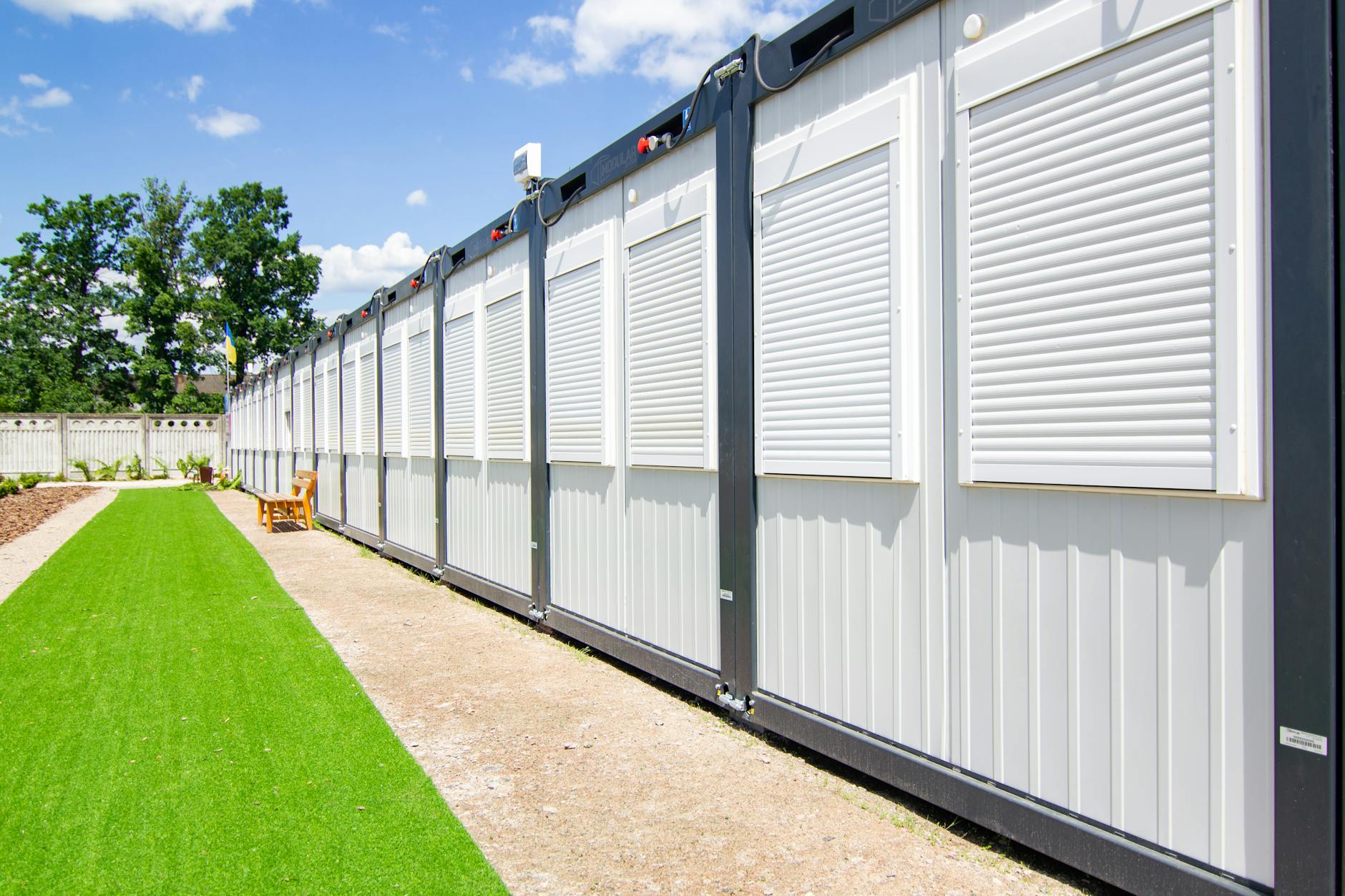
Modular home insurance protects one of the fastest-growing housing types in America. These homes are built in factory sections and assembled on a permanent foundation at the building site. Many buyers assume they need a special policy. However, modular homes are not the same as manufactured or mobile homes.
They follow the same local building codes as traditional stick-built houses. As a result, most insurers treat them like any other site-built home. That said, there are unique considerations every modular homeowner should understand. Coverage gaps during transport, foundation-specific risks, and appraisal challenges can all affect your protection. Knowing how your policy works helps you avoid costly surprises after a claim.
What Is Modular Home Insurance?
Modular home insurance is simply a standard homeowners insurance policy applied to a modular-built house. In most cases, insurers offer an HO-3 policy, which is the most common type of homeowners coverage in the United States. An HO-3 policy covers your dwelling on an open-peril basis. That means it protects against all risks unless specifically excluded.
This is a key distinction from manufactured home insurance. Manufactured and mobile homes typically require a specialized HO-7 policy. The HO-7 costs more because those homes face higher wind and fire risk. Modular homes avoid this because they sit on permanent foundations. They also meet or exceed local building codes. For example, a modular home in Florida must pass the same hurricane-resistance standards as a site-built home.
When you shop for modular home insurance, you are shopping for standard homeowners coverage. Your agent does not need a special product. However, you should confirm that your insurer recognizes the home as modular, not manufactured. A misclassification can lead to higher premiums or denied claims.
What Does Modular Home Insurance Cover?
A standard modular home insurance policy includes the same core coverages as any HO-3 plan. Dwelling coverage pays to repair or rebuild your home after covered perils. Personal property coverage protects your belongings inside the home. Liability coverage shields you if someone is injured on your property. Additional living expenses cover temporary housing if your home becomes uninhabitable.
Covered perils typically include fire, windstorms, hail, lightning, theft, vandalism, and falling objects. Smoke damage and explosion damage are also included. The table below shows how modular home insurance compares with other policy types.
| Coverage Feature | Modular Home (HO-3) | Manufactured Home (HO-7) | Standard Site-Built (HO-3) |
|---|---|---|---|
| Dwelling coverage | Open peril | Named peril | Open peril |
| Personal property | Named peril | Named peril | Named peril |
| Liability protection | Yes | Yes | Yes |
| Permanent foundation required | Yes | No | Yes |
| Wind/hail coverage | Included | Often limited | Included |
| Average annual premium | $1,400–$2,200 | $700–$1,500 | $1,400–$2,300 |
| Flood coverage | Separate policy | Separate policy | Separate policy |
As the table shows, modular home insurance mirrors standard site-built coverage closely. The main advantage over manufactured home policies is open-peril dwelling protection. This gives you broader coverage with fewer gaps.
What Modular Home Insurance Does NOT Cover
Like all homeowners policies, modular home insurance has exclusions. Flood damage is never included in a standard policy. You must purchase a separate flood policy through the National Flood Insurance Program or a private insurer. Earthquake damage is also excluded in most states.
Wear and tear, pest damage, and mold from poor maintenance are not covered. Termite infestations and rodent damage fall outside your policy. Intentional damage by the homeowner is always excluded. Government actions such as property seizure are also not covered.
There is one exclusion unique to modular construction. Damage during transport of factory-built sections is typically not covered by your homeowners policy. For example, if a wall section is damaged on the truck before assembly, your HO-3 will not pay for it. You may need an inland marine or builder’s risk endorsement to cover this phase. Additionally, weather exposure before the home is fully sealed can create water damage that falls outside standard dwelling coverage. Always confirm with your insurer that the assembly phase is protected.
How Much Does Modular Home Insurance Cost?
Modular home insurance typically costs between $1,400 and $2,200 per year. This is comparable to standard homeowners insurance. The national average for homeowners insurance is roughly $2,000 annually. Your actual premium depends on several factors specific to your home and location.
Home value and rebuild cost are the biggest price drivers. A larger modular home with high-end finishes will cost more to insure. Your location matters significantly. Homes in hurricane-prone or wildfire-prone areas pay higher premiums. Your claims history, credit score, and chosen deductible also affect the price.
However, modular homes can sometimes earn lower rates. Factory construction means tighter quality control and fewer building defects. Some insurers recognize this and offer modest discounts. In most cases, bundling your modular home insurance with auto insurance saves 5% to 15%. Increasing your deductible from $1,000 to $2,500 can reduce premiums by 10% to 20%.
How to Find the Best Modular Home Insurance
Start by getting quotes from at least three insurers. Compare not just price but also coverage limits, deductibles, and exclusions. Make sure each insurer classifies your home correctly as modular. A misclassification as manufactured could inflate your premium or limit your coverage options.
Look for carriers with strong financial ratings from AM Best or similar agencies. Major national insurers like State Farm, Allstate, and Nationwide all write modular home insurance under their standard homeowners programs. Progressive and regional carriers may also offer competitive rates. Ask each insurer about available discounts for security systems, fire alarms, and claims-free history.
Finally, review your policy annually. Rebuild costs change over time, especially with lumber and material price fluctuations. Typically, you should update your dwelling coverage limit every year. Ask your agent about guaranteed replacement cost endorsements. These ensure your modular home insurance pays full rebuild costs even if they exceed your policy limit. This endorsement is especially valuable for modular homes where factory-ordered components may have longer lead times after a total loss.
Frequently Asked Questions
Is modular home insurance the same as manufactured home insurance?
No, they are different. Modular homes qualify for standard HO-3 homeowners policies because they sit on permanent foundations and meet local building codes. However, manufactured homes typically require a specialized HO-7 policy with more limited coverage.
Do I need special modular home insurance during construction?
In most cases, yes. Your standard homeowners policy does not take effect until the home is complete. During transport and assembly, you may need a builder’s risk policy. As a result, it is important to coordinate coverage dates with your builder and insurer.
Can I get modular home insurance if I don’t own the land?
Typically, you can still get coverage. However, your options may be more limited. If you lease the land, some insurers may require additional documentation. For example, they may ask for a copy of your land lease agreement before issuing a full HO-3 policy.
Compare Home Insurance Rates
Ready to see if you could be paying less for homeowners insurance? Compare quotes from top insurers in your area. Getting multiple quotes is the most effective way to find a better rate.
(paid link)
Official Sources & Resources
For verified information on home insurance regulations and consumer protection:
- NAIC (National Association of Insurance Commissioners): naic.org
- Insurance Information Institute: iii.org
- FEMA (Federal Emergency Management Agency): fema.gov
- FloodSmart (National Flood Insurance Program): floodsmart.gov
- USA.gov — Housing: usa.gov/housing
Content last reviewed April 2026. If you notice any outdated information, please contact us.