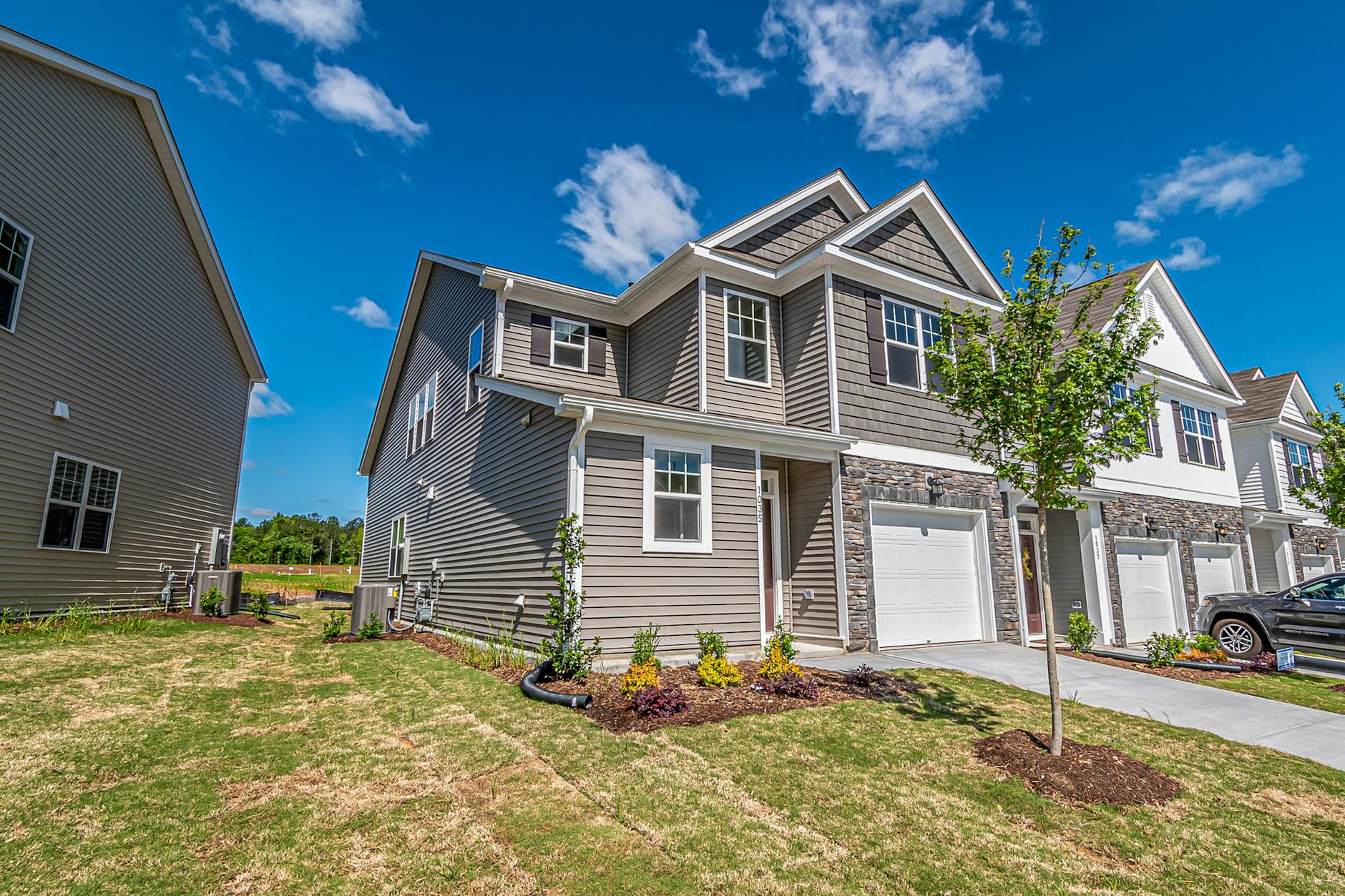
Multi family home insurance protects duplexes, triplexes, and fourplexes from property damage and liability risks. These properties face unique challenges that standard single-family homeowners policies do not address. Multiple units mean multiple tenants, shared walls, and increased liability exposure. A standard HO-3 policy is designed for owner-occupied single-family homes.
It typically cannot handle the complexity of a multi-unit dwelling. As a result, owners of duplexes and similar properties need specialized coverage. Whether you live in one unit and rent the others or rent out the entire building, the right policy matters. Choosing the wrong coverage can leave you financially exposed after a fire, storm, or tenant lawsuit.
What Is Multi Family Home Insurance?
Multi family home insurance is a property insurance policy designed for residential buildings with two to four units. This includes duplexes, triplexes, and fourplexes. These properties fall between single-family homes and large commercial apartment buildings. In most cases, buildings with four or fewer units qualify for residential insurance products. Buildings with five or more units typically require commercial property insurance instead.
The specific policy type depends on whether you live in the building. If you occupy one unit and rent the others, you may qualify for an HO-3 homeowners policy. However, if you live elsewhere and rent out all units, you will need a DP-3 dwelling fire policy. The DP-3 is sometimes called a landlord insurance policy. It covers the building structure and can include loss of rental income protection.
The key difference is occupancy. An HO-3 includes personal property and liability coverage by default. A DP-3 typically excludes personal property coverage and offers liability as an optional add-on. For example, a DP-3 will not cover your furniture unless you add an endorsement. Both policy types protect the dwelling on an open-perils basis. This means they cover all risks unless specifically excluded in the policy language.
What Does Multi Family Home Insurance Cover?
Multi family home insurance covers the physical structure of all units in your building. This includes shared walls, roofing, plumbing, and electrical systems. It also covers other structures on the property like detached garages or fences. Typically, policies protect against fire, windstorms, hail, lightning, theft, and vandalism. If a covered peril damages one or more units, your policy pays for repairs.
Loss of rental income is a critical coverage for multi-family owners. If a fire makes a unit uninhabitable, this coverage replaces the lost rent during repairs. Liability protection covers legal costs if a tenant or visitor is injured on your property. For example, a slip-and-fall on shared stairs could trigger a lawsuit. Your multi family home insurance liability coverage would help pay for that claim.
| Coverage Feature | HO-3 (Owner-Occupied Multi-Family) | DP-3 (Non-Owner-Occupied) |
|---|---|---|
| Dwelling Protection | Open perils | Open perils |
| Personal Property | Included (named perils) | Not included (optional add-on) |
| Liability Coverage | Included by default | Optional add-on |
| Loss of Rental Income | Included (loss of use) | Included (fair rental value) |
| Typical Annual Cost | $1,200–$2,500 | $1,500–$3,500+ |
| Tenant Property Coverage | No (tenants need renters insurance) | No (tenants need renters insurance) |
What Multi Family Home Insurance Does NOT Cover
Like all property insurance, multi family home insurance has important exclusions. Flood damage is never covered under standard policies. You must purchase a separate flood insurance policy through the National Flood Insurance Program or a private insurer. Earthquake damage is also excluded in most states. However, you can buy standalone earthquake coverage as a rider.
Tenant belongings are not covered by your landlord policy. Your tenants must carry their own renters insurance to protect their personal property. Additionally, mold and fungus damage is commonly excluded or heavily limited. Many policies cap mold coverage at $5,000 to $10,000. Damage from deferred maintenance or neglect is also excluded. Insurers expect property owners to keep the building in good repair.
Vacant units create another coverage gap. If a unit sits empty for 30 to 60 days, your insurer may reduce or deny claims. As a result, you should notify your insurance company about extended vacancies. Short-term rental activity through platforms like Airbnb may also void your standard multi family home insurance policy. You would need a specialized endorsement for that use.
How Much Does Multi Family Home Insurance Cost?
The cost of multi family home insurance varies widely based on location, building age, and number of units. On average, owners pay between $150 and $650 per unit annually. A duplex might cost $1,200 to $2,500 per year. A fourplex could run $2,000 to $4,500 or more. According to industry data, premiums typically range from $1,000 to $3,000 per million dollars of property value.
Several factors drive multi family home insurance costs higher than single-family policies. More units mean more risk exposure. Older buildings with outdated wiring or plumbing cost more to insure. Properties in areas prone to hurricanes, wildfires, or high crime face steeper premiums. For example, owners in Florida and Texas have seen premium increases of 37% to 43% per unit in recent years due to climate-related risks.
You can lower your premiums with risk-reduction measures. Installing fire alarms, security cameras, and modern electrical systems helps. Bundling your multi family home insurance with an umbrella policy can also save money. In most cases, a higher deductible will reduce your annual premium. However, make sure you can afford the deductible if a claim occurs.
How to Find the Best Multi Family Home Insurance
Start by getting quotes from at least three to five insurers. Major carriers like State Farm, Farmers, and Liberty Mutual all offer multi family home insurance products. Specialty insurers like Obie and Honeycomb focus specifically on landlord and multi-family coverage. Compare not just price but also coverage limits, deductibles, and exclusions.
Ask each insurer whether they offer an HO-3 or DP-3 for your situation. Confirm that loss of rental income is included. Verify the liability coverage limit meets your needs. Typically, $300,000 is the minimum recommended liability limit for multi-family owners. However, an umbrella policy can extend that to $1 million or more for relatively low cost.
Work with an independent insurance agent who specializes in rental properties. They can access multiple carriers and find the best multi family home insurance rate for your building. Also, require your tenants to carry renters insurance. This protects their belongings and reduces claims against your policy. Many landlords now make renters insurance a lease requirement.
Frequently Asked Questions
Do I need multi family home insurance if I live in one unit of my duplex?
Yes, you still need coverage even as an owner-occupant. In most cases, you can use an HO-3 policy if you live in one unit. However, you should add landlord liability coverage for the rented unit. Your standard homeowners policy alone may not fully protect you against tenant-related claims.
Is multi family home insurance more expensive than single-family homeowners insurance?
Typically, yes. Multi-family properties cost 25% to 50% more to insure than comparable single-family homes. The additional units increase risk exposure for the insurer. As a result, premiums reflect the added liability, rental income coverage, and structural complexity of multi-unit buildings.
Can my tenants sue me if they are injured in a common area?
Yes, tenants and their guests can file liability claims against you. For example, a broken stairway railing or icy walkway could lead to a lawsuit. Your multi family home insurance liability coverage pays for legal defense and settlements. However, you should maintain the property well to minimize these risks.
Compare Home Insurance Rates
Ready to see if you could be paying less for homeowners insurance? Compare quotes from top insurers in your area. Getting multiple quotes is the most effective way to find a better rate.
(paid link)
Official Sources & Resources
For verified information on home insurance regulations and consumer protection:
- NAIC (National Association of Insurance Commissioners): naic.org
- Insurance Information Institute: iii.org
- FEMA (Federal Emergency Management Agency): fema.gov
- FloodSmart (National Flood Insurance Program): floodsmart.gov
- USA.gov — Housing: usa.gov/housing
Content last reviewed April 2026. If you notice any outdated information, please contact us.