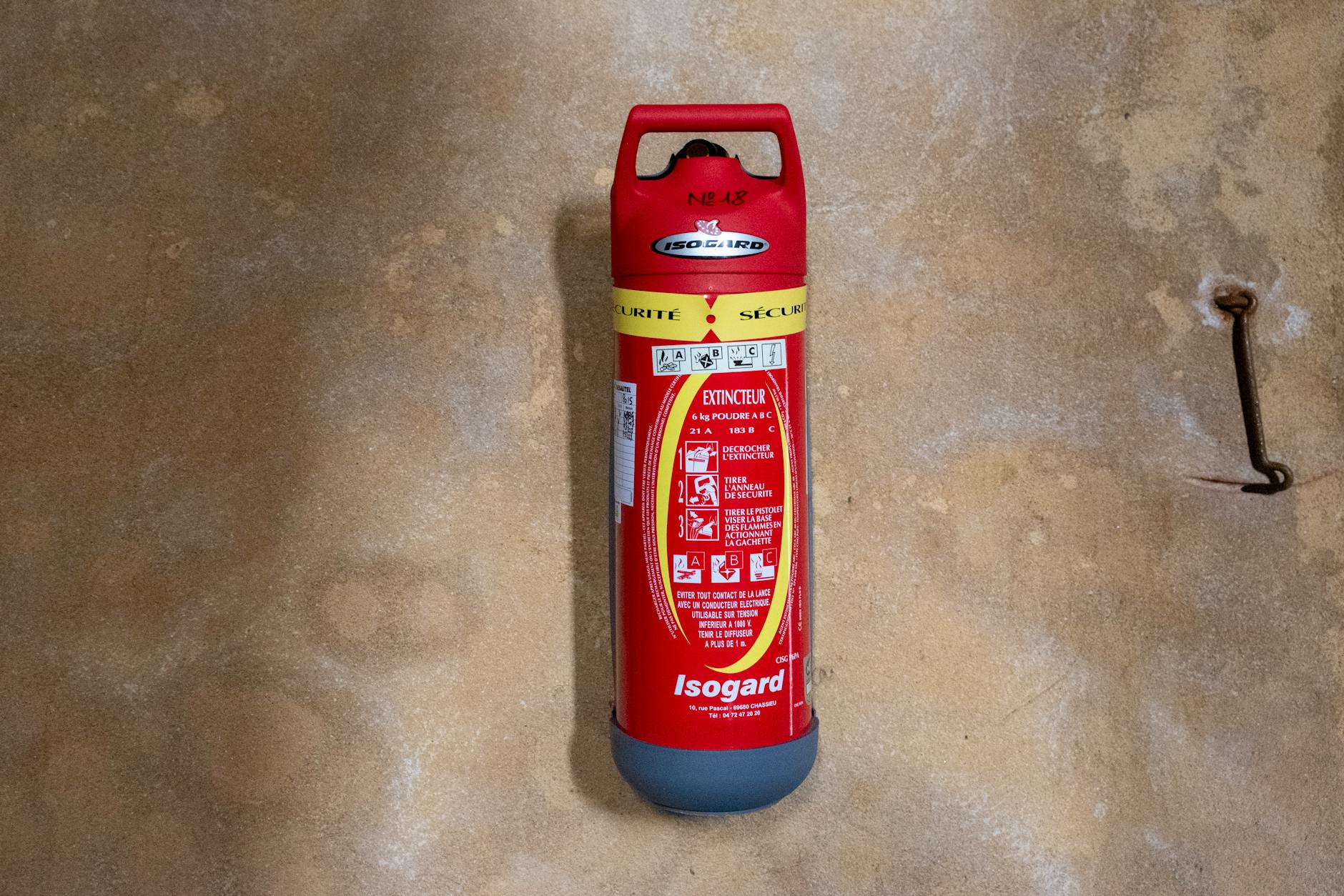
Protective device insurance discount programs reward homeowners who install safety equipment like deadbolts, fire extinguishers, and smoke detectors. Most major insurance companies reduce premiums when your home has devices that lower the risk of theft, fire, or water damage. Typically, these discounts range from 2% to 20% off your annual premium. The exact savings depend on the type and number of devices you install.
A single deadbolt might save you 2%. However, a monitored alarm system with sprinklers could save up to 20%. On a $2,000 annual policy, that translates to $40 to $400 in yearly savings. As a result, investing in home protection pays for itself over time.
How the Protective Device Insurance Discount Works
The protective device insurance discount applies when your home has qualifying safety equipment. Insurers divide these devices into two broad categories. The first covers fire protection: smoke detectors, fire alarms, fire extinguishers, and sprinkler systems. The second covers theft prevention: deadbolt locks, burglar alarms, and security cameras.
To qualify, your devices must be properly installed and functional. For example, The Hartford requires that monitored alarm systems connect to a central station. Deadbolts must be installed on all exterior doors. Fire extinguishers should be accessible on every floor of your home. In most cases, insurers verify these details during the quoting process or a home inspection.
Some insurers group all protective devices into a single discount tier. Others offer separate credits for each device. Typically, the more devices you have, the higher your total savings. A home with deadbolts, smoke detectors, a fire extinguisher, and a monitored alarm qualifies for the maximum protective device insurance discount available.
How Much Can You Save with a Protective Device Insurance Discount?
Savings from a protective device insurance discount vary by device type and insurer. Simple devices like deadbolts and smoke detectors save 2% to 5%. Fire extinguishers on every floor can save 1% to 3%. Monitored burglar and fire alarm systems offer the biggest savings at 5% to 20%. Sprinkler systems typically earn 5% to 15% off your premium.
Here is a comparison of typical savings by device type:
| Protective Device | Typical Discount | Annual Savings ($2,000 Policy) |
|---|---|---|
| Deadbolt locks (all exterior doors) | 2% – 5% | $40 – $100 |
| Smoke detectors | 2% – 5% | $40 – $100 |
| Fire extinguishers (every floor) | 1% – 3% | $20 – $60 |
| Local burglar alarm | 2% – 5% | $40 – $100 |
| Monitored alarm system | 5% – 20% | $100 – $400 |
| Fire sprinkler system | 5% – 15% | $100 – $300 |
| Water leak detection system | 1% – 5% | $20 – $100 |
These discounts often stack. For example, a home with deadbolts, smoke detectors, and a monitored alarm could save 10% to 25% combined. However, most insurers cap total protective device savings at around 20%. The protective device insurance discount makes even small upgrades worthwhile. A $30 fire extinguisher could save you $60 per year.
Which Insurance Companies Offer a Protective Device Insurance Discount?
Nearly every major insurer offers a protective device insurance discount. State Farm provides discounts for smoke alarms, burglar alarms, fire sprinklers, and home monitoring systems. Liberty Mutual lists deadbolts, fire extinguishers, smoke alarms, fire alarms, burglar alarms, and sprinklers as qualifying devices. The Hartford offers up to 20% savings for combined burglar and fire alarm systems.
Mercury Insurance offers up to 8.5% for fire safety devices including extinguishers and smoke alarms. Allstate provides security device credits and partners with smart home providers. USAA rewards military families with protective device credits and a Connected Home program. Nationwide offers a smart home monitoring program with significant savings on qualifying devices.
The following table compares the protective device insurance discount across major carriers:
| Insurance Company | Deadbolt Discount | Fire Device Discount | Monitored Alarm Discount |
|---|---|---|---|
| State Farm | Yes – up to 3% | Yes – up to 5% | Yes – up to 15% |
| Liberty Mutual | Yes – up to 5% | Yes – up to 5% | Yes – up to 15% |
| The Hartford | Yes – 2% | Yes – up to 5% | Yes – up to 20% |
| Allstate | Yes – up to 5% | Yes – up to 5% | Yes – up to 10% |
| USAA | Yes – up to 5% | Yes – up to 5% | Yes – up to 15% |
| Mercury | Yes – up to 2% | Yes – up to 8.5% | Yes – up to 15% |
| Nationwide | Yes – varies | Yes – varies | Yes – varies |
| Farmers | Yes – varies | Yes – varies | Yes – varies |
How to Apply for the Protective Device Insurance Discount
Claiming your protective device insurance discount is straightforward. Start by taking inventory of every safety device in your home. List all deadbolts, smoke detectors, fire extinguishers, alarms, and sprinkler systems. Note whether alarm systems are self-monitored or professionally monitored. Professionally monitored systems earn larger discounts.
Next, contact your insurance agent or log into your insurer’s online portal. Most companies ask about protective devices during the quoting process. If you added devices after your policy started, request a mid-term policy review. For example, you can call State Farm at any time to update your device list. In most cases, your insurer will adjust your premium at the next renewal. Some companies apply the protective device insurance discount immediately.
Keep documentation ready. Monitored alarm companies provide a central station certificate. Save receipts for deadbolts, fire extinguishers, and smoke detectors. Typically, your insurer may request photos of installed devices. Some companies send an inspector to verify equipment. As a result, make sure all devices are properly installed and operational before requesting your discount. Expired fire extinguishers or disconnected alarms will not qualify.
Frequently Asked Questions
Do deadbolts really lower my homeowners insurance premium?
Yes, most insurers offer a 2% to 5% protective device insurance discount for deadbolt locks on all exterior doors. However, the discount typically requires deadbolts on every entry point. For example, The Hartford confirms a 2% credit for deadbolts alone.
Does having a fire extinguisher qualify for a home insurance discount?
Many insurers do offer a protective device insurance discount for fire extinguishers. Typically, you need one on every floor of your home. In most cases, the savings range from 1% to 3%. Combined with smoke detectors and fire alarms, fire safety devices can save up to 8.5% at some carriers.
Can I combine multiple protective device discounts on one policy?
Yes, most insurance companies let you stack multiple protective device insurance discount credits. As a result, a home with deadbolts, smoke detectors, fire extinguishers, and a monitored alarm system earns the highest total savings. However, most insurers cap combined device discounts at approximately 20% of your premium.
Compare Home Insurance Rates
Ready to see if you could be paying less for homeowners insurance? Compare quotes from top insurers in your area. Getting multiple quotes is the most effective way to find a better rate.
(paid link)
Official Sources & Resources
For verified information on home insurance regulations and consumer protection:
- NAIC (National Association of Insurance Commissioners): naic.org
- Insurance Information Institute: iii.org
- FEMA (Federal Emergency Management Agency): fema.gov
- FloodSmart (National Flood Insurance Program): floodsmart.gov
- USA.gov — Housing: usa.gov/housing
Content last reviewed April 2026. If you notice any outdated information, please contact us.