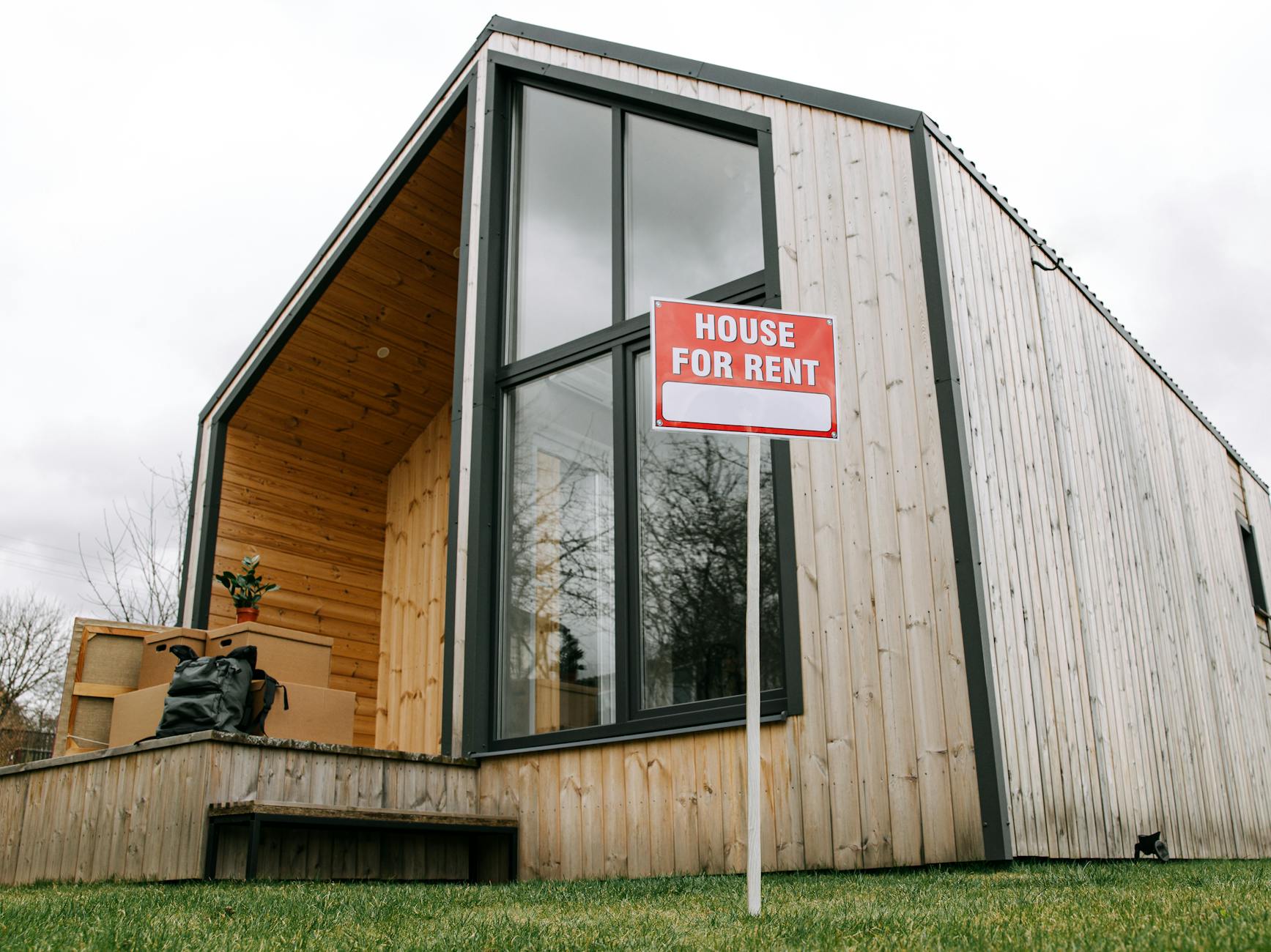
Renting out your home insurance is one of the most overlooked steps when becoming a landlord. Many homeowners assume their existing policy will protect them. That assumption is wrong. Standard homeowners insurance covers owner-occupied properties only. The moment tenants move in, your coverage can become void. According to the National Association of Insurance Commissioners (NAIC), failing to disclose rental activity is considered material misrepresentation. As a result, your insurer can deny claims and even cancel your policy retroactively. Understanding renting out your home insurance requirements protects your investment and your financial future.
How Renting Out Your Home Insurance Affects Your Coverage
Your standard homeowners policy stops working when you stop living there. Homeowners insurance requires owner occupancy. Once tenants move in, your dwelling coverage, liability protection, and personal property coverage all change. For example, if a tenant’s guest slips on your front steps, your homeowners policy will not cover the lawsuit. The Insurance Information Institute (III) confirms that renting out your home insurance needs differ significantly from standard coverage.
Renting out your home insurance must account for higher liability exposure. Tenants and their visitors create risks that owner-occupied policies never anticipated. However, your landlord policy will not cover your tenant’s belongings. Tenants need their own renters insurance for personal property protection. Typically, landlord policies cover the building structure, landlord-owned appliances, and liability claims related to rental operations.
In most cases, your mortgage lender also requires proper insurance. A standard homeowners policy will not satisfy lender requirements on a tenant-occupied property. Your lender may force-place expensive coverage if you fail to switch. This alone makes updating your renting out your home insurance a financial priority.
Insurance Steps You Need to Take
Start the transition at least 30 days before your tenant moves in. Here are the essential steps. First, contact your current insurance agent immediately. Inform them you plan to rent out the property. Second, request quotes for a landlord insurance policy, also called a rental dwelling policy. Third, compare at least three quotes from different providers. Fourth, require your tenants to carry renters insurance before move-in day. Include this requirement in your lease agreement.
You will need several documents during this process. Have your current homeowners policy number ready. Gather the lease agreement draft with rental income details. Prepare property inspection reports if available. Your insurer may also request information about planned renovations or safety features. Renting out your home insurance underwriting often considers the property’s age and condition.
For short-term rentals through platforms like Airbnb, the rules differ slightly. However, standard homeowners insurance still does not cover short-term rental activity. The NAIC classifies this as business use. You may need a short-term rental endorsement or a standalone policy. Some insurers offer pay-per-night pricing for occasional rentals. Do not rely solely on platform-provided coverage like Airbnb’s AirCover. Visit our landlord insurance guides for detailed comparisons.
Coverage Adjustments to Consider
Renting out your home insurance should include several specific coverage types. Each one addresses a different risk that comes with having tenants. The III reports that landlord insurance costs approximately 25% more than standard homeowners insurance. The national average runs about $1,900 per year. However, this investment protects against far greater potential losses.
| Coverage Type | What It Covers | Typical Limits |
|---|---|---|
| Dwelling Coverage | Structure repair and rebuild costs from covered perils | Based on rebuild cost |
| Liability Coverage | Tenant and visitor injury lawsuits | $100,000 to $1,000,000 |
| Loss of Rental Income | Lost rent when property is uninhabitable after a covered event | Up to 12 months of rent |
| Landlord Contents | Landlord-owned appliances and equipment on-site | $2,500 to $10,000 |
| Medical Payments | Immediate medical costs for injuries on property | Up to $25,000 |
Liability coverage deserves special attention. Most experts recommend at least $300,000 to $500,000 in liability protection. For additional security, consider an umbrella policy. This extends your renting out your home insurance liability coverage beyond the base policy limits. Umbrella policies typically cost $200 to $400 per year for $1 million in extra coverage.
How to Save Money During This Transition
Renting out your home insurance does not have to break the bank. Start by bundling your landlord policy with your new personal homeowners or auto insurance. Most insurers offer multi-policy discounts of 5% to 15%. Additionally, installing security systems, smoke detectors, and deadbolt locks can lower your premium. These safety features reduce risk and insurers reward that.
Shop around aggressively. Rates vary dramatically between providers. For example, landlord insurance in Florida averages about $2,860 per year. In other states, it may be closer to $1,500. Getting at least three quotes ensures you find competitive pricing. Also consider raising your deductible from $1,000 to $2,500. This can reduce your annual premium by 10% to 20%.
Typically, requiring tenants to carry renters insurance also helps. When tenants have their own liability coverage, your exposure decreases. Some insurers factor this into their pricing. As a result, your renting out your home insurance costs may be lower when tenant coverage is documented.
Common Mistakes to Avoid
The biggest mistake is not telling your insurer at all. Many homeowners quietly rent out their property and keep the old policy. This creates a coverage gap that only becomes visible at claim time. At that point, the insurer denies the claim. You are left paying thousands out of pocket. Renting out your home insurance must be active before the first tenant moves in.
Another common mistake is underinsuring liability. Rental properties carry higher liability exposure than owner-occupied homes. A minimum $100,000 liability limit is rarely enough. However, many new landlords accept the cheapest option without considering the risk. Lawsuits from tenant injuries can easily exceed $100,000 in medical costs and legal fees alone.
Finally, many landlords forget to update their policy when circumstances change. For example, if you switch from long-term to short-term rentals, your renting out your home insurance needs change too. Vacancy periods also create risk. Some landlord policies exclude coverage when the property sits empty for more than 30 to 60 days. Review your policy annually and after any major change in rental status.
Frequently Asked Questions
Can I keep my homeowners insurance if I rent out my home?
No. In most cases, standard homeowners insurance does not cover rental activity. Your insurer can deny claims and cancel your policy if they discover undisclosed tenants. However, if you rent a single room while still living there, some insurers allow a rider on your existing policy. Always confirm with your agent before renting out your home insurance needs change.
How much does renting out your home insurance cost compared to homeowners insurance?
Landlord insurance typically costs about 25% more than a standard homeowners policy. The national average is approximately $1,900 per year. However, costs vary significantly by state and property type. For example, coastal properties and older homes generally cost more to insure as rentals.
When should I switch to landlord insurance before renting out my home?
Switch at least 30 days before your tenant moves in. There is no grace period between policies. If a loss occurs before your renting out your home insurance is active, you may have zero coverage. As a result, start shopping for landlord policies as soon as you decide to rent out the property.
Compare Home Insurance Rates
Ready to see if you could be paying less for homeowners insurance? Compare quotes from top insurers in your area. Getting multiple quotes is the most effective way to find a better rate.
(paid link)
Official Sources & Resources
For verified information on home insurance regulations and consumer protection:
- NAIC (National Association of Insurance Commissioners): naic.org
- Insurance Information Institute: iii.org
- FEMA (Federal Emergency Management Agency): fema.gov
- FloodSmart (National Flood Insurance Program): floodsmart.gov
- USA.gov — Housing: usa.gov/housing
Content last reviewed April 2026. If you notice any outdated information, please contact us.