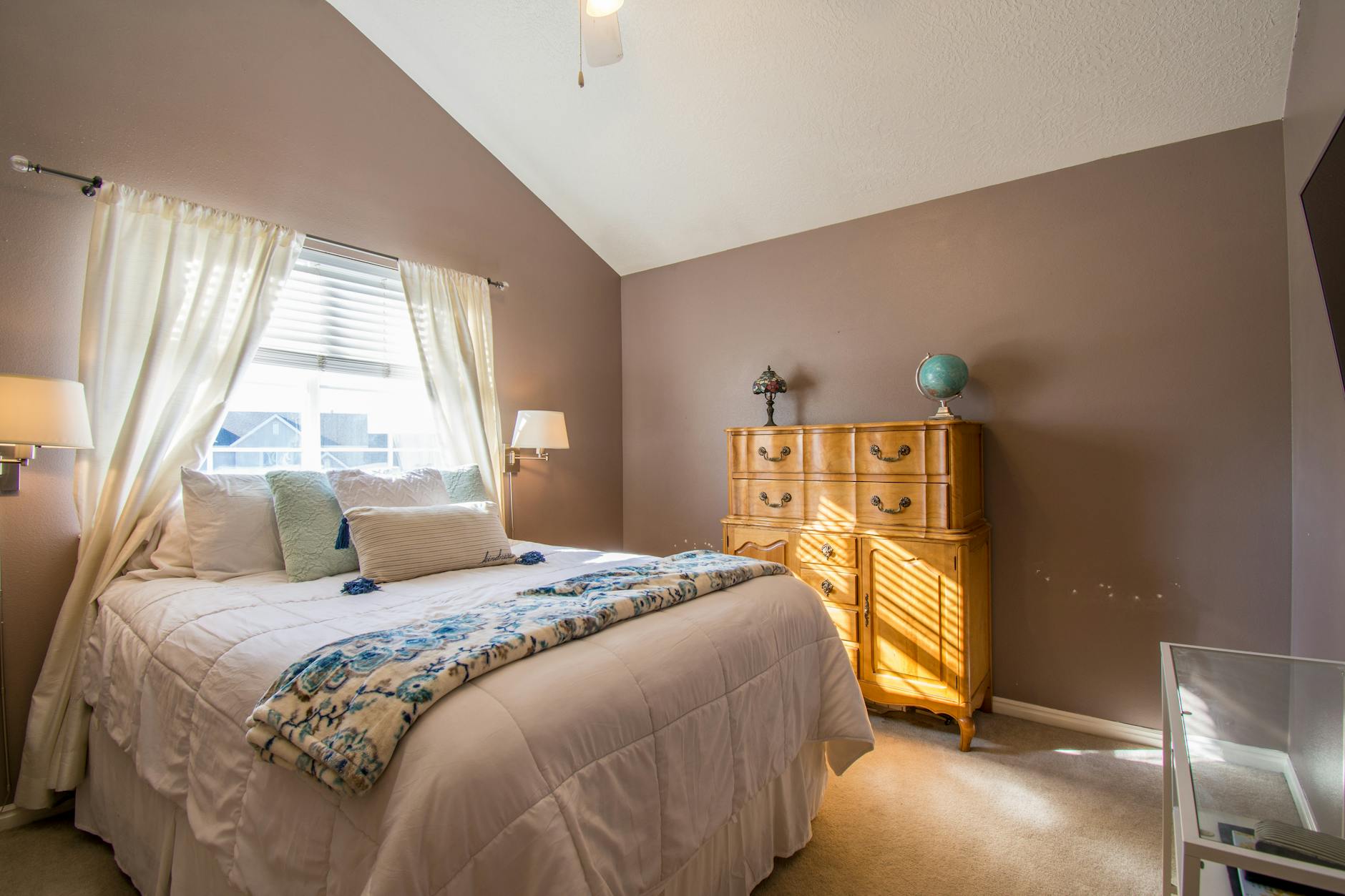
Short term rental insurance protects landlords who list properties on platforms like Airbnb, VRBO, and similar booking sites. The vacation rental market has exploded in recent years. Millions of property owners now earn income from short stays. However, most standard homeowners policies exclude commercial rental activity. A regular landlord policy typically assumes long-term tenants.
Neither covers the unique risks of rotating guests every few days. Guest injuries, property damage, and theft create serious liability exposure. Without proper coverage, a single incident could cost tens of thousands of dollars. As a result, landlords need specialized insurance designed specifically for short-term rental operations. This guide explains what short term rental insurance covers, what it costs, and how to choose the right policy for your investment property.
What Is Short Term Rental Insurance?
Short term rental insurance is a specialized commercial policy for properties rented for periods under 30 days. It bridges the gap between standard homeowners coverage and traditional landlord insurance. In most cases, both of those policy types exclude or deny claims from short-term guest activity. A dedicated STR policy treats your rental operation as the business it is.
Any landlord who lists on Airbnb, VRBO, Booking.com, or similar platforms needs this coverage. Property managers handling multiple vacation rentals also benefit. Even owners who rent occasionally through word-of-mouth face the same liability risks. Typically, if guests stay fewer than 30 consecutive days, standard policies will not protect you.
The key difference is how insurers classify the risk. Homeowners insurance assumes you live in the property. Landlord insurance assumes a long-term lease. Short term rental insurance acknowledges high guest turnover and the commercial nature of vacation hosting. It covers risks that other policies specifically exclude.
What Does Short Term Rental Insurance Cover?
A comprehensive short term rental insurance policy covers several critical areas. Property damage from guests is the most common claim. Liability protection covers guest injuries on your property. Loss of rental income kicks in when your property becomes uninhabitable. Contents coverage protects furniture, appliances, and linens you provide for guests.
Many policies also cover vandalism, theft by guests, and pet damage. Some carriers include bed bug remediation and amenity liability for pools or hot tubs. For example, if a guest slips near your pool and sues, your liability coverage responds. The table below outlines typical coverage types and limits.
| Coverage Type | Typical Limits | What It Protects |
|---|---|---|
| General Liability | $300,000 – $2,000,000 | Guest injuries, lawsuits, medical payments |
| Dwelling / Property | Replacement cost | Structural damage to the building |
| Contents / Furnishings | $25,000 – $250,000 | Furniture, appliances, linens, décor |
| Loss of Rental Income | 6 – 12 months projected revenue | Income lost during repairs |
| Guest-Caused Damage | $5,000 – $50,000 per incident | Vandalism, theft, accidental damage |
| Amenity Liability | Included in liability limit | Pools, hot tubs, fire pits, docks |
Standard deductibles range from $1,000 to $5,000. Higher deductibles of $10,000 can lower your premium. However, landlords should balance savings against out-of-pocket risk for frequent small claims.
How Much Does Short Term Rental Insurance Cost?
Most landlords pay between $2,000 and $3,500 per year for short term rental insurance. That is roughly two to three times more than standard landlord coverage. However, the broader protection justifies the cost. High-value or coastal properties may pay $4,000 to $8,000 annually. Budget-friendly options start around $1,500 per year for lower-risk properties.
Some carriers offer per-booking pricing instead of annual premiums. For example, Safely charges approximately $8 to $15 per reservation. This model works well for landlords who rent infrequently. Full-time vacation rental operators typically save more with annual policies.
Several factors affect your premium. Property location matters most. Coastal, wildfire, and high-crime areas cost more. Property value, maximum occupancy, and amenities like pools also increase rates. Your claims history and the number of nights rented per year play a role. As a result, landlords should get quotes from multiple carriers to compare pricing.
Which Companies Offer Short Term Rental Insurance?
Proper Insurance is the largest dedicated short term rental insurance provider in the United States. They offer comprehensive commercial policies with up to $1 million or more in liability coverage. Proper is endorsed by VRBO and Vacasa. Policies start around $1,500 to $2,000 per year and cover property damage, income loss, and amenity liability.
Safely bundles guest screening with per-booking insurance. They cover up to $1 million in liability and $10,000 to $50,000 in property damage per stay. This model appeals to property managers running multiple listings. CBIZ offers tailored commercial packages for landlords with portfolios of several rental properties.
Major carriers have limited options. Allstate offers a HostAdvantage endorsement for occasional hosting under 15 nights per year. Farmers Insurance provides a home-sharing endorsement in select states. Nationwide also offers endorsements in some markets. However, these endorsements are not true short term rental insurance. Full-time hosts need dedicated policies from specialists like Proper or Safely.
Platform Protection Is Not Enough
Airbnb’s AirCover for Hosts provides up to $3 million in damage protection and $3 million in liability coverage. VRBO offers $1 million in liability per booking. However, these are guarantee programs, not insurance policies. The National Association of Insurance Commissioners (NAIC) and the Insurance Information Institute (III) recommend treating platform protections as a secondary backstop only.
Platform programs have significant exclusions. They typically do not cover cash, normal wear and tear, or certain amenities. Airbnb controls the claims process and can deny claims at its discretion. In most cases, these programs do not cover your dwelling structure. They also do not provide loss of rental income protection. For example, if a guest causes a fire that requires months of repairs, platform coverage may not reimburse your lost bookings.
As a result, landlords should carry dedicated short term rental insurance as primary coverage. Platform protections can serve as an additional safety net. Relying solely on Airbnb or VRBO guarantees leaves dangerous gaps in your protection.
Tips for Choosing the Right Short Term Rental Insurance
Start by reviewing your current homeowners or landlord policy. Confirm whether it excludes short-term rental activity. Most do. Then request quotes from at least three dedicated STR insurers. Compare liability limits, deductibles, and contents coverage carefully.
Check whether your local municipality requires minimum coverage. Several states and cities now mandate $500,000 to $1 million in liability as a condition of STR permits. Colorado, Montana, and parts of Florida have enacted registration requirements that include proof of insurance. Verify your policy meets local regulations before listing your property.
Finally, consider your specific risk profile. Properties with pools, hot tubs, or docks need higher liability limits. Furnished luxury rentals need robust contents coverage. Landlords in catastrophe-prone areas should expect premiums 10 to 20 percent higher than average. Typically, paying slightly more for comprehensive short term rental insurance saves money compared to a single uninsured claim.
Frequently Asked Questions
Does my regular homeowners insurance cover Airbnb rentals?
In most cases, no. Standard homeowners policies exclude commercial rental activity. If you file a claim during a guest stay, your insurer will likely deny it. However, some carriers offer limited home-sharing endorsements for occasional hosting.
How much does short term rental insurance cost per month?
Typically, landlords pay $125 to $300 per month for a dedicated policy. Annual premiums range from $1,500 to $3,500 for most properties. However, coastal or high-value rentals may cost significantly more.
Is Airbnb’s AirCover enough to protect my rental property?
AirCover is not a substitute for short term rental insurance. It excludes many common loss types and does not cover dwelling damage or lost income. As a result, insurance professionals recommend carrying a dedicated STR policy as your primary coverage.
Compare Home Insurance Rates
Ready to see if you could be paying less for homeowners insurance? Compare quotes from top insurers in your area. Getting multiple quotes is the most effective way to find a better rate.
(paid link)
Official Sources & Resources
For verified information on home insurance regulations and consumer protection:
- NAIC (National Association of Insurance Commissioners): naic.org
- Insurance Information Institute: iii.org
- FEMA (Federal Emergency Management Agency): fema.gov
- FloodSmart (National Flood Insurance Program): floodsmart.gov
- USA.gov — Housing: usa.gov/housing
Content last reviewed April 2026. If you notice any outdated information, please contact us.