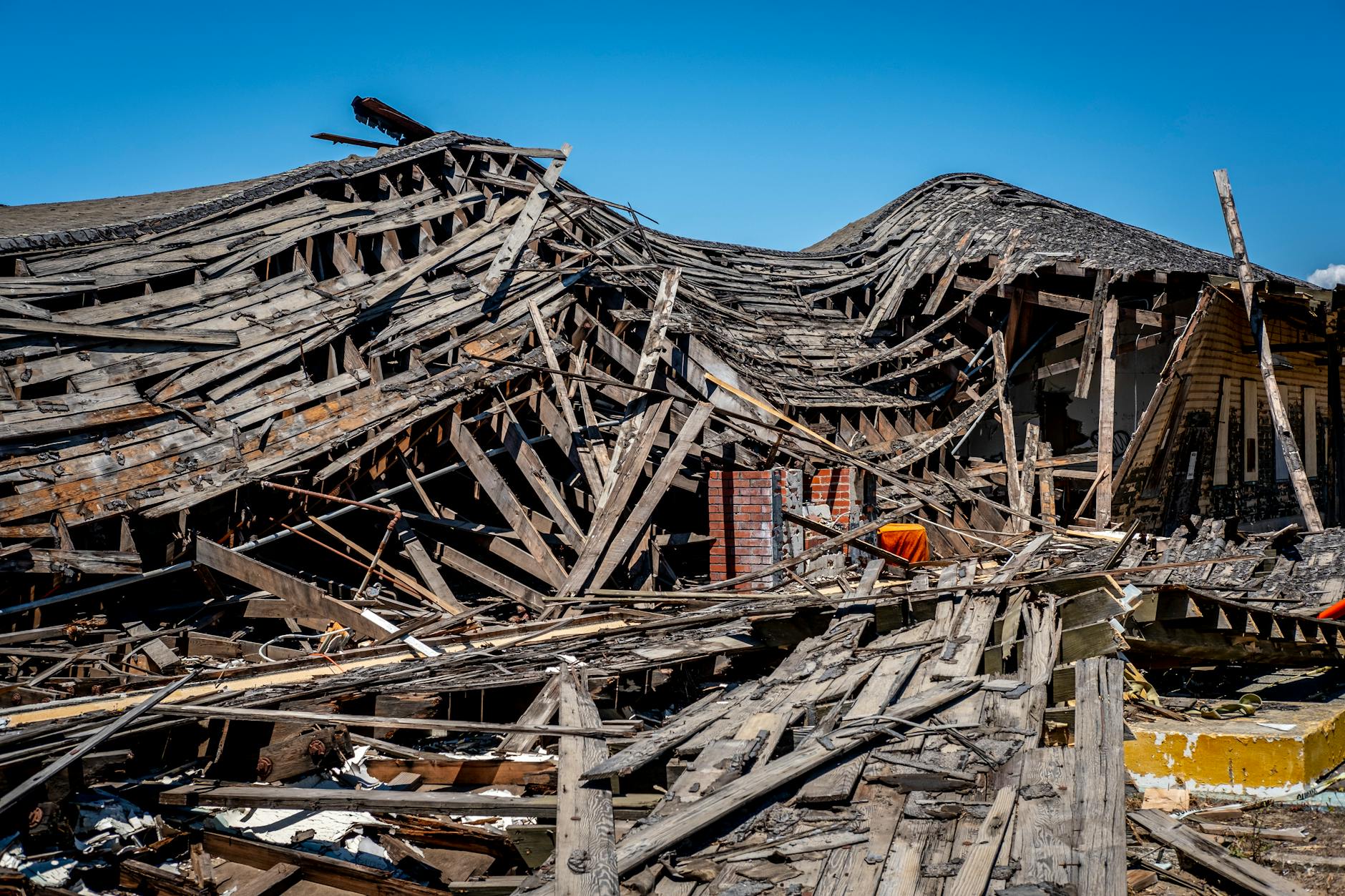
Sinkhole home insurance is a specialized coverage that protects homeowners when the ground beneath their property suddenly collapses. Sinkholes occur when underground rock dissolves, creating voids that can swallow foundations, walls, and even entire structures. According to the U.S.
Geological Survey (USGS), about 20% of American land sits on karst terrain vulnerable to sinkholes. However, standard homeowners insurance almost universally excludes sinkhole damage under earth movement exclusions. As a result, homeowners in high-risk states face a dangerous coverage gap. Repair costs often range from $50,000 to $300,000 or more. Without sinkhole home insurance, a single event can wipe out a family’s largest investment overnight. Understanding your state’s laws and your policy’s fine print is essential to staying protected.
Understanding the Risk: Sinkhole Home Insurance
Sinkholes are most common in states with soluble bedrock like limestone or gypsum. Florida is the most sinkhole-prone state in the nation. The corridor through Pasco, Hernando, and Hillsborough counties is known as “Sinkhole Alley.” Texas, Alabama, Missouri, Kentucky, Tennessee, and Pennsylvania also face significant risk. The USGS has mapped extensive karst terrain across all of these states.
The numbers are alarming. Florida reported 6,694 sinkhole claims in 2010 alone. Between 2006 and 2010, sinkhole claims cost Florida insurers approximately $1.4 billion. Nationally, the USGS estimates sinkhole damage costs exceed $300 million per year. The 2013 Seffner, Florida sinkhole that swallowed a man in his bedroom drew national attention to this risk.
Sinkhole home insurance matters because these events are unpredictable. For example, heavy rainfall, drought cycles, and groundwater pumping can all trigger collapses. New construction can also alter drainage patterns and increase sinkhole activity. In most cases, homeowners receive no warning before the ground gives way.
What Standard Homeowners Insurance Covers (and Doesn’t)
Standard HO-3 homeowners policies exclude earth movement damage. This means sinkhole damage, gradual settling, foundation cracking, and subsidence are typically not covered. The exclusion applies in nearly every state. Most homeowners discover this gap only after filing a claim.
Florida is the exception. State law requires all residential policies to cover “catastrophic ground cover collapse.” However, this coverage has an extremely high threshold. All four conditions must be met simultaneously: abrupt collapse visible to the naked eye, structural damage including the foundation, and the home must be condemned by a government agency. Most sinkhole events involve gradual settling and cracking. As a result, they do not qualify under this narrow definition.
The broader “sinkhole loss” coverage — which covers gradual foundation damage and structural weakening — is optional in Florida. Homeowners must specifically request and pay for this endorsement. Without it, sinkhole home insurance protection is essentially minimal despite the state mandate.
Additional Coverage Options for Sinkhole Home Insurance
Only two states require insurers to offer sinkhole coverage. Florida mandates it under Florida Statute 627.706. Tennessee requires availability under Tennessee Code 56-7-124. In all other sinkhole-prone states, coverage availability depends entirely on the insurer’s discretion.
In Florida, Citizens Property Insurance Corporation serves as the insurer of last resort. Citizens offers sinkhole loss endorsements in some areas. Private insurers in high-risk counties often decline to write sinkhole endorsements. Typically, sinkhole endorsements carry a 10% deductible on the dwelling coverage amount. For a $300,000 home, that means a $30,000 deductible.
| State | Sinkhole Risk Level | Coverage Requirement | Typical Annual Cost | Available Programs |
|---|---|---|---|---|
| Florida | Very High | Must offer sinkhole endorsement | $2,000–$6,000+ | Citizens Property Insurance |
| Tennessee | High | Must make coverage available | $200–$800 | Private insurers only |
| Texas | Moderate–High | No mandate | $100–$500 (if available) | Private insurers only |
| Kentucky | High | No mandate | $100–$500 (if available) | Mine subsidence program |
| Missouri | Moderate–High | No mandate | Varies | Private insurers only |
| Alabama | Moderate | No mandate | Varies | Private insurers only |
| Pennsylvania | Moderate | No mandate | $100–$180 (mine subsidence) | PA Mine Subsidence Insurance |
Several states offer mine subsidence programs that may overlap with sinkhole-type damage. Pennsylvania, Illinois, Indiana, Kentucky, Ohio, and West Virginia have state-sponsored mine subsidence insurance. Pennsylvania’s program costs roughly $100 to $180 per year for $100,000 to $200,000 in coverage. These programs are not identical to sinkhole home insurance but can help with related ground collapse damage.
How Much Does Sinkhole Home Insurance Cost?
Sinkhole home insurance costs vary dramatically by location and risk level. In Florida’s high-risk counties, endorsements typically run $2,000 to $4,000 per year. In lower-risk Florida areas, costs may drop to $500 to $2,000 annually. Some insurers in Pasco and Hernando counties charge $6,000 or more per year.
Outside Florida, sinkhole endorsements are generally less expensive. In Tennessee, costs typically range from $200 to $800 per year. In other states where coverage is available, premiums may fall between $100 and $500 annually. However, availability itself can be the bigger challenge. Many insurers simply do not offer sinkhole endorsements outside Florida and Tennessee.
Several factors affect pricing. Proximity to known sinkholes matters most. Soil composition, local geology, and prior claims history also influence premiums. The deductible structure is important too. Most sinkhole endorsements carry a 10% deductible. For example, on a $250,000 home, you would pay the first $25,000 of any sinkhole claim out of pocket. The Insurance Information Institute (III) recommends comparing quotes from multiple carriers before purchasing.
How to Reduce Your Risk and Lower Premiums
Homeowners in sinkhole-prone areas can take steps to reduce risk. Before buying a property, check geological survey maps for known karst terrain. The USGS and state geological surveys maintain sinkhole occurrence databases. In Florida, the Department of Environmental Protection publishes subsidence incident reports. A pre-purchase sinkhole inspection can cost $500 to $2,000 but may save thousands later.
Proper drainage management is critical. Direct water away from your foundation. Fix leaking pipes immediately. Avoid excessive irrigation near your home. These steps reduce groundwater changes that can trigger sinkholes. In most cases, insurers may look favorably on homes with documented mitigation efforts.
If you already own a home in a high-risk area, consider a professional geotechnical assessment. Compaction grouting can stabilize soil and fill underground voids before they cause damage. Typically, early intervention costs far less than emergency repairs. The average paid sinkhole claim in Florida was $100,000 to $150,000 during peak years. Proactive stabilization may cost a fraction of that. Shopping your sinkhole home insurance annually can also help find better rates as more insurers enter the market.
Frequently Asked Questions
Does standard homeowners insurance cover sinkhole damage?
In most cases, no. Standard policies exclude earth movement, including sinkholes. Florida requires basic “catastrophic ground cover collapse” coverage, but it has a very high threshold. For broader protection, you need a separate sinkhole home insurance endorsement.
Is sinkhole home insurance required in Florida?
Florida requires insurers to offer sinkhole loss endorsements upon request. However, purchasing the endorsement is optional. The mandatory coverage included in all Florida policies only covers catastrophic ground cover collapse, which most sinkhole events do not meet.
What is the difference between catastrophic ground cover collapse and sinkhole loss coverage?
Catastrophic ground cover collapse requires abrupt collapse, visible depression, structural damage, and government condemnation — all at once. Sinkhole loss coverage is much broader. It covers gradual foundation damage and settling caused by underground dissolution. Typically, sinkhole loss coverage is what homeowners actually need for real-world sinkhole home insurance protection.
Compare Home Insurance Rates
Ready to see if you could be paying less for homeowners insurance? Compare quotes from top insurers in your area. Getting multiple quotes is the most effective way to find a better rate.
(paid link)
Official Sources & Resources
For verified information on home insurance regulations and consumer protection:
- NAIC (National Association of Insurance Commissioners): naic.org
- Insurance Information Institute: iii.org
- FEMA (Federal Emergency Management Agency): fema.gov
- FloodSmart (National Flood Insurance Program): floodsmart.gov
- USA.gov — Housing: usa.gov/housing
Content last reviewed April 2026. If you notice any outdated information, please contact us.