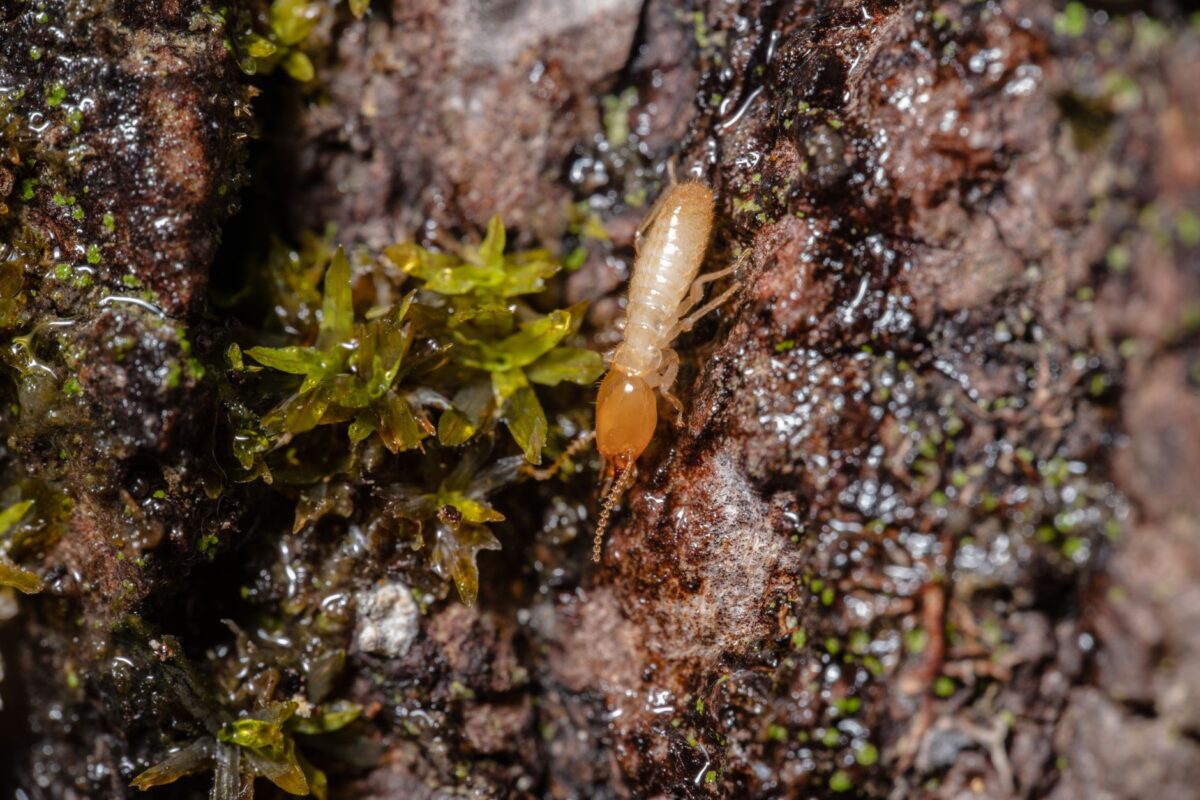
Termite pest damage is one of the most common problems homeowners expect their insurance to cover. In most cases, it won’t. Standard homeowners policies typically exclude damage from termites, insects, rodents, and other vermin. Insurers see this damage as preventable. It usually builds slowly over months or years.
As a result, insurers treat it as routine home maintenance, not as a sudden, accidental loss. The National Pest Management Association estimates that termites cause about $5 billion in U.S. property damage each year. Knowing how your policy handles termite pest damage helps you budget for prevention. It also helps you spot the rare cases where coverage may apply.
Why Homeowners Insurance Excludes Termite Pest Damage
Most homeowners carry an HO-3 policy. It covers the house on an “open perils” basis. That means everything is covered unless the policy specifically excludes it. However, nearly every HO-3 excludes wear and tear, deterioration, and damage from birds, rodents, insects, and vermin. The Insurance Information Institute confirms that standard policies do not cover termite or insect damage. Insurers treat termite pest damage as a maintenance issue, not an insurable event.
The reasoning is simple. Termites work slowly and quietly. A colony can take three to eight years to cause serious structural harm. Insurers expect owners to catch problems through regular inspections. Warning signs include sagging floors, hollow-sounding wood, and mud tubes along the foundation. If an owner ignores these signs, the insurer won’t pay. The same logic applies to rodents chewing wiring or carpenter ants hollowing out beams.
Personal property follows similar rules. Damage from bedbugs, moths, or mice to clothing and furniture is typically excluded. The National Association of Insurance Commissioners recommends reading your policy’s exclusions section carefully. Wording varies by insurer and by state.
Exceptions, Repair Costs, and What You Pay Out of Pocket
There are a few narrow exceptions. Many HO-3 policies include an “additional coverage” for collapse. This section often lists “hidden insect or vermin damage” as a covered cause. The key word is hidden. If nobody knew about the damage before the collapse, coverage may apply. However, the building must actually collapse. Sagging, cracking, or bulging usually doesn’t qualify.
A second exception is a covered peril that pests set off. For example, if a mouse chews a wire and starts a fire, the fire damage is usually covered. The chewed wire itself isn’t. In the same way, the insect damage itself stays excluded. That holds even when termite pest damage led to a larger covered loss.
Because coverage is rare, most owners pay out of pocket. The table below shows typical national cost ranges. Prices vary by region, home size, and how severe the infestation is.
| Service | Typical Cost Range |
|---|---|
| Termite inspection | $0–$150 (often free from pest companies) |
| Liquid soil treatment | $3–$16 per linear foot |
| Bait station system | $800–$3,000 installed |
| Whole-house fumigation (tenting) | $1,200–$3,000 or more |
| Annual termite bond renewal | $100–$400 per year |
| Structural wood repair | $3,000–$10,000 or more |
Repairs often cost far more than treatment. As a result, catching an infestation early saves real money. Termite pest damage that spreads into joists, sill plates, or load-bearing walls may require both a contractor and a structural engineer.
How to Protect Your Home and Your Wallet
Prevention is your best protection. Most termite pest damage starts where wood touches soil. The U.S. Environmental Protection Agency recommends removing wood-to-soil contact and fixing moisture problems. Keep mulch at least 6 inches from your foundation. Store firewood well away from the house. Repair leaky gutters, pipes, and downspouts quickly.
Next, schedule a professional inspection every year. This matters most in the South and Southeast, where subterranean and Formosan termites are most active. Many companies offer a termite bond. A bond is a service contract, not insurance. It typically covers retreatment, and sometimes repairs, if new termite pest damage appears. Read the terms carefully, because repair bonds cost more than retreat-only bonds.
🏠 Get Free Home Insurance Guides
Free · No spam · Unsubscribe anytime
Finally, keep your records. Save inspection reports, treatment receipts, and bond contracts. They can help prove damage was hidden if you ever file a collapse claim. If you suspect termite pest damage, call a licensed pest control company first. Then ask your insurance agent whether any part of the loss might qualify. For example, a sudden collapse or a fire should always be reported promptly.
Frequently Asked Questions
Does homeowners insurance cover termite pest damage?
In most cases, no. Standard policies exclude termite pest damage as a maintenance issue. However, some policies may cover a sudden collapse caused by hidden insect damage.
Is a termite bond the same as insurance?
No. A termite bond is a service contract with a pest control company. It typically pays for retreatment and sometimes repairs. As a result, it can fill a gap that your homeowners policy leaves open.
Can I buy separate insurance for termite pest damage?
Standalone termite insurance is rare. Instead, most homeowners rely on termite bonds and yearly inspections. For example, some pest companies offer repair warranties up to a set dollar limit.
Compare Home Insurance Rates
Ready to see if you could be paying less for homeowners insurance? Compare quotes from top insurers in your area. Getting multiple quotes is the most effective way to find a better rate.
(paid link)
Official Sources & Resources
For verified information on home insurance regulations and consumer protection:
- NAIC (National Association of Insurance Commissioners): naic.org
- Insurance Information Institute: iii.org
- FEMA (Federal Emergency Management Agency): fema.gov
- FloodSmart (National Flood Insurance Program): floodsmart.gov
- USA.gov — Housing: usa.gov/housing
Content last reviewed September 2026. If you notice any outdated information, please contact us.