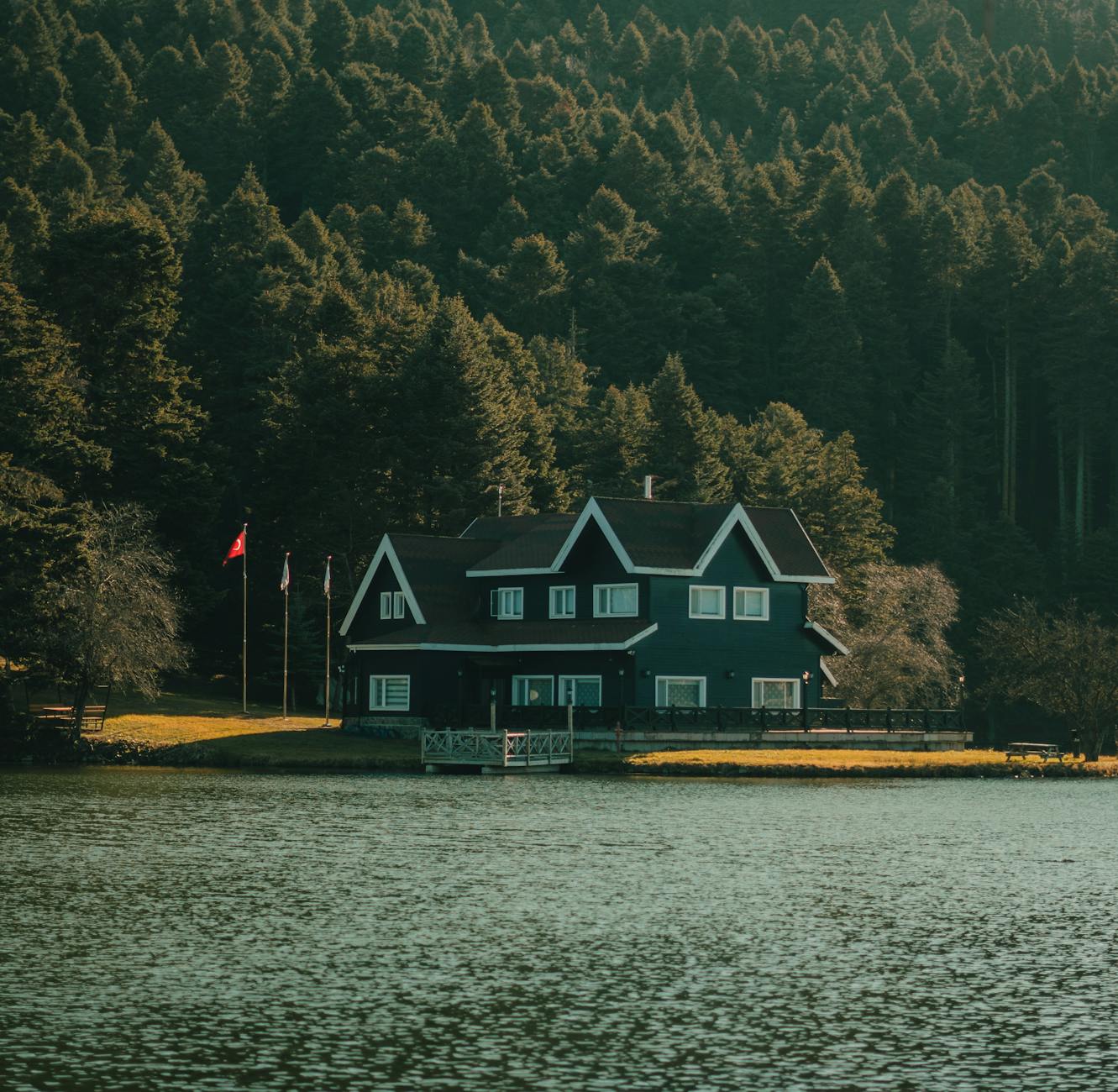
Vacation home insurance protects seasonal and second homes that owners do not occupy year-round. These properties face unique risks. Extended vacancy increases exposure to undetected damage, theft, and weather events. A standard homeowners policy assumes regular occupancy. However, vacation homes may sit empty for weeks or months at a time. As a result, insurers treat them differently during underwriting.
Premiums tend to run 10 to 20 percent higher than equivalent primary residence policies. Location matters too. Beach houses face hurricane risk. Mountain cabins face wildfire risk. Lake homes face flood risk. Understanding vacation home insurance is essential before purchasing any seasonal property.
What Is Vacation Home Insurance?
Vacation home insurance is a property insurance policy designed for homes the owner does not use as a primary residence. It covers the dwelling, personal belongings, liability, and sometimes loss of use. However, coverage terms differ significantly from a standard HO-3 homeowners policy. In most cases, insurers write second homes under a DP-3 (Dwelling Property Special Form) rather than a standard HO-3.
The DP-3 provides open-perils coverage on the dwelling structure itself. Personal property, however, is typically covered on a named-perils basis only. Liability coverage is often optional rather than automatic. For example, a standard HO-3 includes personal liability at no extra charge. A DP-3 may require you to add it as an endorsement. If your vacation home is a condo, an HO-6 policy covers your unit’s interior and contents instead.
Some insurers will write a second home on a standard HO-3 with restrictions. This depends on how often you occupy the property. Year-round occupancy qualifies more easily. Seasonal-only use typically requires a DP-3 or specialty policy. The key distinction is occupancy frequency and duration.
What Does Vacation Home Insurance Cover?
A well-structured vacation home insurance policy covers the dwelling, other structures, personal property, and liability. Covered perils typically include fire, lightning, windstorm, hail, explosion, smoke, vandalism, and theft. However, vandalism and theft coverage may apply only while the home is occupied. Some policies exclude these perils entirely during extended vacancy periods.
The table below compares standard homeowners coverage with typical vacation home insurance coverage.
| Coverage Area | Standard HO-3 (Primary Home) | Vacation Home (DP-3) |
|---|---|---|
| Dwelling | Open perils | Open perils |
| Personal property | Named perils, included | Named perils, lower limits |
| Liability | Included automatically | Often optional add-on |
| Loss of use | 20–30% of dwelling value | Limited or excluded |
| Theft during vacancy | Covered | Often excluded after 30–60 days |
| Vandalism during vacancy | Covered | Often excluded after 30–60 days |
| Guest medical payments | Included | May require endorsement |
| Short-term rental use | Excluded | Excluded (requires separate policy) |
As a result, vacation home insurance requires careful review of what is and is not included. Do not assume your second home policy mirrors your primary home coverage.
What Vacation Home Insurance Does NOT Cover
Most vacation home insurance policies contain a vacancy clause. This clause limits or eliminates coverage after the home sits unoccupied for 30 to 60 consecutive days. According to the National Association of Insurance Commissioners (NAIC), a home is considered vacant when it is both unoccupied and empty of contents for 60 or more days. After that threshold, vandalism, glass breakage, and theft claims are commonly denied.
Flood damage is never covered by standard vacation home insurance. You need a separate policy through the National Flood Insurance Program (NFIP) or a private flood insurer. Earthquake damage is also excluded and requires its own policy. These exclusions apply to all standard homeowners and dwelling policies.
Frozen pipes are a major concern for seasonal homes. However, insurers routinely deny frozen pipe claims if the home was not properly winterized or heated. They classify this as a maintenance failure. Additionally, mold, slow water leaks, pest damage, and normal wear and tear are excluded. If you rent the property on Airbnb or VRBO, your standard vacation home insurance will not cover injuries to paying guests. That requires a commercial or short-term rental policy.
How Much Does Vacation Home Insurance Cost?
The average annual premium for vacation home insurance is approximately $2,693 for $300,000 in dwelling coverage. However, costs vary dramatically by state. In Vermont, average premiums run around $1,040 per year. In Florida, they can exceed $8,000 per year. Coastal and wildfire-prone locations carry the highest rates.
Several factors unique to second homes affect pricing. Extended vacancy is the biggest driver. Insurers charge more when homes sit empty for long stretches. Remoteness also matters. A cabin with delayed emergency response times costs more to insure. Amenities like pools, hot tubs, and docks increase liability risk and premiums. For example, State Farm applies roughly a 10 percent surcharge for secondary homes. Nationwide charges approximately 20 percent more.
Bundling your vacation home insurance with your primary home policy typically yields a multi-policy discount. Age of construction, building materials, and distance from fire stations also affect your rate. Typically, year-round-occupied second homes receive more favorable pricing than seasonal-only properties.
How to Find the Best Vacation Home Insurance
Start by getting quotes from at least three insurers. Compare dwelling limits, personal property coverage, liability options, and vacancy clause terms. Not all carriers treat second homes the same way. Foremost Insurance, a Farmers subsidiary, specializes in seasonal and specialty dwellings. Travelers and Amica both rank highly for overall home insurance and cover second homes.
If you plan to rent your vacation home even occasionally, you need a dedicated policy. Nationwide offers a vacation rental property insurance product designed specifically for this use case. Allstate offers a HostAdvantage add-on covering up to $10,000 per rental period for guest-caused damage. For short-term rental specialists, Proper Insurance combines homeowner, landlord, and commercial coverage in one policy.
In most cases, the best approach is to bundle with your primary home insurer first. Ask specifically about vacancy clause duration, inspection requirements, and winterization conditions. Some policies require the property to be inspected every 7 to 30 days. Failure to comply can void your coverage entirely. Smart home water leak detectors and security systems can lower premiums and help you monitor the property remotely.
Frequently Asked Questions
Is vacation home insurance the same as a standard homeowners policy?
No. Vacation home insurance is typically written under a DP-3 form rather than a standard HO-3. As a result, liability coverage is often optional and personal property limits are lower. However, some insurers will write a second home on an HO-3 if the owner occupies it frequently enough.
Does vacation home insurance cover short-term rentals?
In most cases, no. Standard vacation home insurance excludes business activity, including Airbnb and VRBO rentals. Renting the property without proper coverage can void your entire policy. You need a dedicated short-term rental or landlord policy for rental use.
What happens to my vacation home insurance if the property is vacant too long?
Most policies include a vacancy clause that limits coverage after 30 to 60 days of unoccupancy. Typically, theft, vandalism, and water damage claims are denied once the vacancy period expires. You may need a vacant home endorsement or a separate vacant property policy to maintain full coverage during extended absences.
Compare Home Insurance Rates
Ready to see if you could be paying less for homeowners insurance? Compare quotes from top insurers in your area. Getting multiple quotes is the most effective way to find a better rate.
(paid link)
Official Sources & Resources
For verified information on home insurance regulations and consumer protection:
- NAIC (National Association of Insurance Commissioners): naic.org
- Insurance Information Institute: iii.org
- FEMA (Federal Emergency Management Agency): fema.gov
- FloodSmart (National Flood Insurance Program): floodsmart.gov
- USA.gov — Housing: usa.gov/housing
Content last reviewed April 2026. If you notice any outdated information, please contact us.