Warranty exclusions guide research should happen before you sign a contract, not after a denial letter lands in your inbox. Home warranties are service contracts, not insurance policies. In most cases, they cover breakdowns caused by normal wear on covered systems and appliances. However, the fine print does most of the real work.
Average annual premiums run $350 to $700 in 2026, while comprehensive plans reach $1,200 to $1,400. Service call fees add another $65 to $150 per visit. A good warranty exclusions guide shows exactly where that money stops protecting you. Claim denials, vague coverage language, and aggressive sales tactics drive most complaints regulators receive. This warranty exclusions guide breaks down the terms companies rarely explain during the sales call.
What a Warranty Exclusions Guide Reveals About Pre-Existing Conditions
Pre-existing conditions are the single biggest reason claims fail. A 2026 industry survey found that roughly 29% of denied claims were rejected as pre-existing. Another 29% were denied because the item simply was not covered. Repair costs exceeding coverage limits accounted for about 20% of denials. Lack of maintenance caused another 13%.
Here is the problem. Contracts define “pre-existing” broadly. If a technician decides your water heater was already corroding before your start date, the claim dies. Most companies also impose a 30-day waiting period after purchase. Any failure during that window is typically excluded, even if the system worked fine at closing.
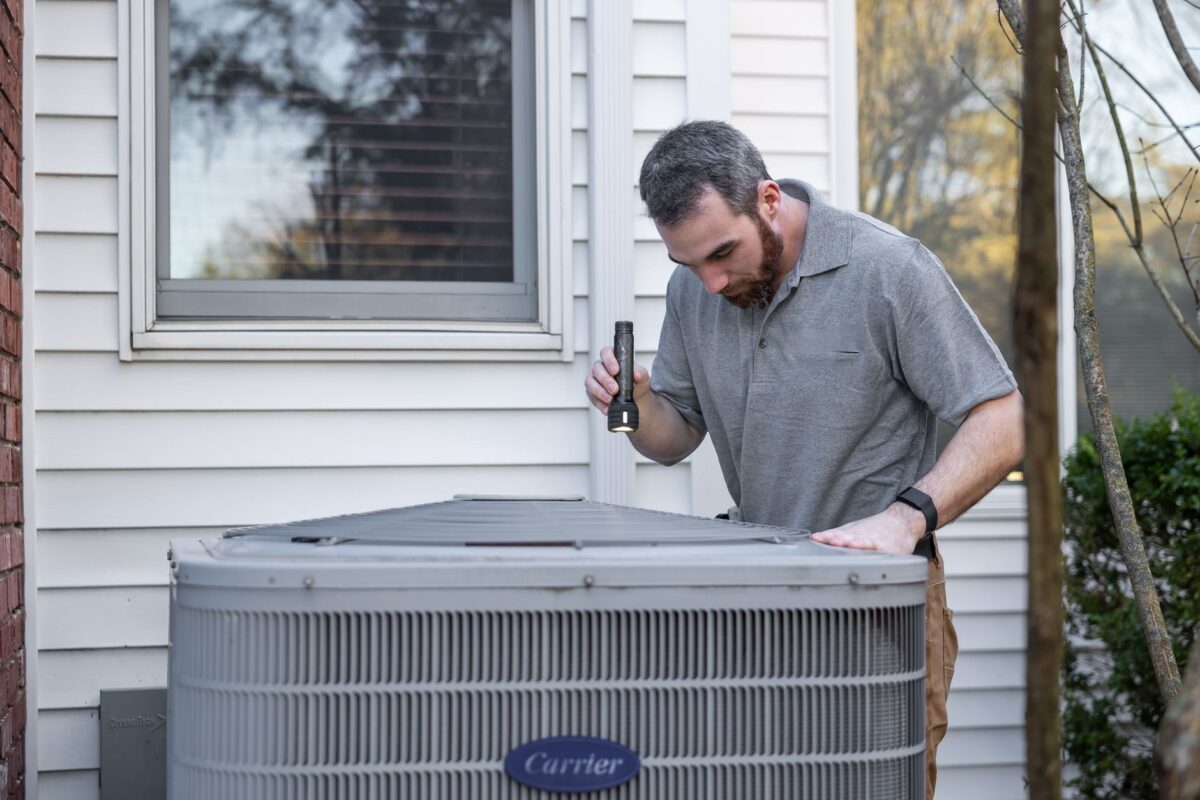
Improper installation is a second trapdoor. If a prior owner installed an HVAC unit incorrectly, the contract usually excludes it permanently. A careful warranty exclusions guide will tell you to document condition first. Photograph appliance serial plates and keep the home inspection report. For example, an inspection noting “HVAC operational, no defects” is strong evidence later.
Coverage Caps and Fees: The Math Inside Every Warranty Exclusions Guide
Marketing promises “up to $3,000 per item.” That phrase hides two limits. First, the cap applies per appliance or per system, not per household. Second, many plans also set a total annual payout ceiling, often $10,000 to $15,000 across all claims combined. As a result, a bad year can exhaust your coverage by August.
Typically, the gap falls on you. If your HVAC cap is $2,000 and replacement costs $7,000, you owe $5,000. Any warranty exclusions guide worth reading will push you to compare caps, not monthly prices.
| Common Exclusion | Contract Wording | What It Costs You |
|---|---|---|
| Pre-existing condition | “Known or unknown prior to effective date” | Full repair cost |
| Improper installation | “Not installed to code or manufacturer spec” | Permanent denial |
| Lack of maintenance | “Failure to follow manufacturer guidelines” | Full repair cost |
| Code upgrades | “Permits, modifications, and disposal excluded” | $500–$2,000 typical |
| Cosmetic damage | “Does not affect functionality” | Full repair cost |
| Caps exceeded | “Up to $2,000 per system” | The difference |
Refrigerant recovery, permit fees, crane rental, and haul-away are commonly excluded too. However, these line items often add hundreds of dollars to a covered HVAC replacement.
How to Use a Warranty Exclusions Guide to Fight a Denial
Denials are not final. Data compiled from Better Business Bureau and state regulator files suggests 40% to 60% of formal appeals end in a reversal or partial payment. In most cases, homeowners lose simply because they never appeal.
Start by requesting the denial in writing, with the exact contract section cited. Then read that section yourself. A practical warranty exclusions guide step is comparing the denial language to the definitions page, where terms like “normal wear” are defined narrowly.
Next, gather evidence. Keep annual HVAC service invoices, water heater flush records, and the original inspection report. Maintenance documentation defeats the maintenance exclusion. For example, two dated tune-up receipts often reverse a “neglect” denial outright.
Finally, escalate to a regulator. Oversight varies by state. Some states assign home warranties to the department of insurance. Others treat them as service contracts under a licensing agency. Texas, for example, regulates them through the Texas Department of Licensing and Regulation. If a provider operated without required registration, Texas contract holders may cancel and recover the full purchase price. Your state attorney general’s consumer protection division is another route. The DC Attorney General’s consumer alert urges buyers to confirm what is excluded before purchase. The NAIC Service Contracts Model Act shapes many of these state rules.
🏠 Get Free Home Insurance Guides
Free · No spam · Unsubscribe anytime
Frequently Asked Questions
Does a home warranty cover pre-existing conditions?
Typically, no. Most contracts exclude any defect that existed before the effective date, whether or not you knew about it. However, a few premium plans cover unknown pre-existing conditions, so check that clause before buying.
Why was my home warranty claim denied for lack of maintenance?
Contracts require you to follow manufacturer maintenance schedules. As a result, an unserviced furnace or a clogged condensate line can void a claim. Dated service receipts are the strongest defense, and any warranty exclusions guide will tell you to keep them for at least three years.
Who regulates home warranty companies?
It depends on your state. Some states use the insurance department, while others use a licensing agency or the attorney general. For example, Texas uses TDLR. Check your state’s website before filing.
Is a home warranty worth it if exclusions are this broad?
It depends on your appliance ages and cash reserves. Compare the annual premium plus service fees against realistic repair costs. Use a warranty exclusions guide to price the coverage caps, not the monthly rate.
Compare Home Insurance Rates
Ready to see if you could be paying less for homeowners insurance? Compare quotes from top insurers in your area. Getting multiple quotes is the most effective way to find a better rate.
(paid link)
Official Sources & Resources
For verified information on home insurance regulations and consumer protection:
- NAIC (National Association of Insurance Commissioners): naic.org
- Insurance Information Institute: iii.org
- FEMA (Federal Emergency Management Agency): fema.gov
- FloodSmart (National Flood Insurance Program): floodsmart.gov
- USA.gov — Housing: usa.gov/housing
Content last reviewed August 2026. If you notice any outdated information, please contact us.