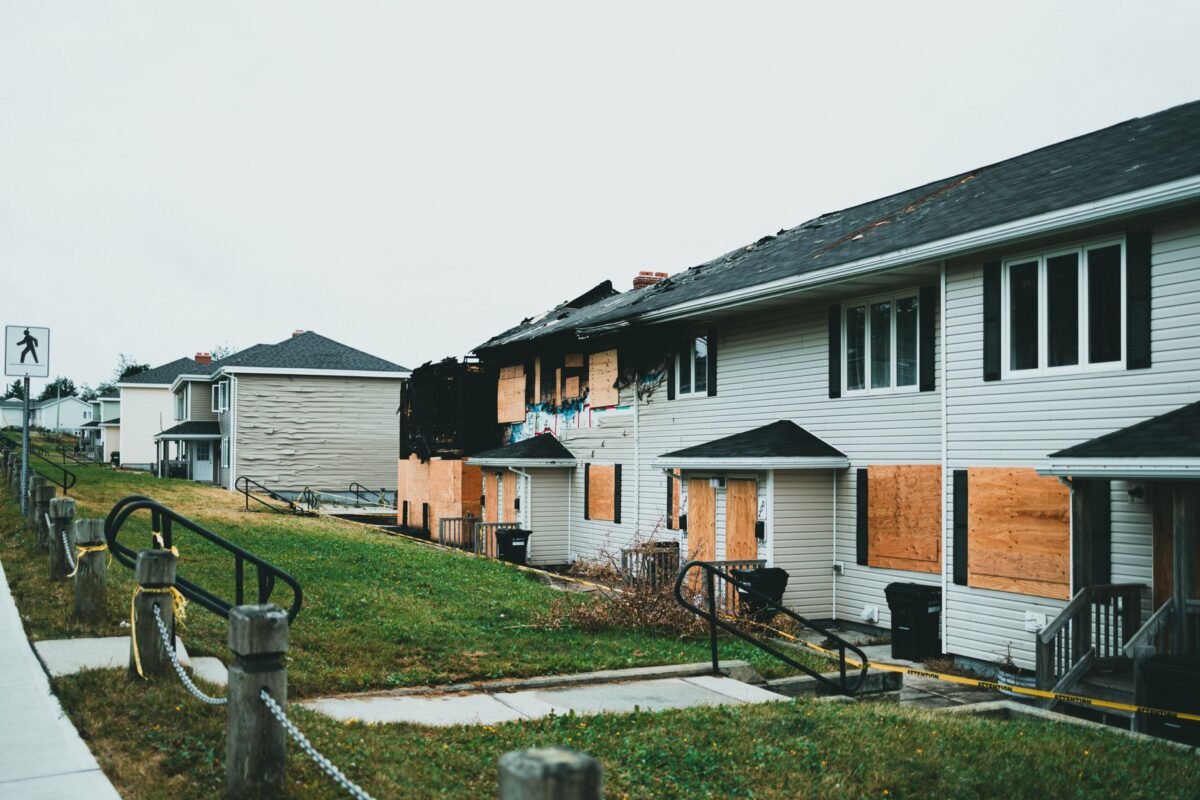
What happens if home insurance lapses is a question most homeowners only ask after they miss a payment. The short answer is that the consequences are serious. Your home loses protection the moment coverage ends. Any fire, storm or theft during the gap is typically your cost alone.
If you have a mortgage, your lender will also step in. In most cases, the lender buys its own policy and bills you for it. That policy usually costs more and covers less. Knowing what happens if home insurance lapses helps you avoid expensive surprises. This guide covers lender rules, coverage gaps and how to reinstate a policy quickly.
Lapses happen for ordinary reasons. An autopay card expires. An escrow account runs short. A renewal notice ends up in a spam folder. Whatever the cause, knowing what happens if home insurance lapses lets you act before the damage grows.
What Happens If Home Insurance Lapses: The First 30 Days
A lapse usually starts with a missed premium payment. Most insurers offer a short grace period. Typically, it runs 10 to 30 days, depending on your state and policy. During that window, coverage often stays active if you pay in full.
However, grace periods are not guaranteed. State law sets the notice rules for cancellation. For example, many states require insurers to give at least 10 days’ written notice before canceling for nonpayment. Once the cancellation date passes, the policy ends. As a result, no loss after that date is covered.
Non-renewal works differently. Here, the insurer chooses not to renew your policy. Many states require 30 to 60 days’ notice before a non-renewal. Even so, coverage still ends on the expiration date if you take no action. In practice, what happens if home insurance lapses through non-renewal is the same: you have no protection.
How Your Mortgage Lender Responds to a Lapse
Nearly every mortgage requires continuous hazard insurance. A lapse breaks your loan agreement. Your servicer usually finds out quickly. Insurers report cancellations to the lender named on the policy.
Federal rules limit what servicers can do. Under the CFPB’s Regulation X, a servicer must send a first written notice at least 45 days before charging you for force-placed insurance. It must then send a reminder notice at least 15 days before charging. You can review the rule on the CFPB Regulation X force-placed insurance page.
Force-placed insurance is also called lender-placed insurance. It protects the lender first. In most cases, it covers only the dwelling. It typically excludes your belongings and personal liability. It is also usually far more expensive than a policy you buy yourself. This is the most costly part of what happens if home insurance lapses on a mortgaged home.
| Feature | Policy You Buy | Force-Placed Policy |
|---|---|---|
| Dwelling coverage | Yes | Yes, often limited to loan balance |
| Personal belongings | Yes | Usually no |
| Liability protection | Yes | Usually no |
| Additional living expenses | Yes | Usually no |
| Cost | Market rate | Typically much higher |
| Who it protects | You and lender | Mainly the lender |
Escrow matters too. If you pay your premium through escrow, the servicer generally must keep paying it on time. Regulation X bars force-placing coverage when the servicer can keep paying an escrowed policy. If the servicer missed a payment, contact them in writing right away.
Once you show proof of new coverage, the servicer must cancel the force-placed policy within 15 days. It must also refund premiums for any overlap. In other words, this part of what happens if home insurance lapses can be undone, but only with proof.
How to Reinstate Coverage and Close the Gap
Act fast. The sooner you move, the more options you keep. Follow these steps in order.
- Call your insurer the same day. Ask if reinstatement is possible. Some insurers reinstate a policy if you pay the past-due premium within a short window. You may need to sign a statement saying no losses occurred.
- Ask about the gap. Some reinstatements restore coverage with no break. Typically, though, coverage restarts on the payment date. Losses during the gap are not covered.
- Shop for a new policy if reinstatement fails. Applications usually ask about prior coverage. A recent lapse can raise your rate or limit your choices.
- Send proof to your lender. Provide the declarations page and policy number. This stops or cancels force-placed coverage.
- Check flood coverage separately. NFIP flood policies have a 30-day grace period for renewal payments. Learn more through FEMA’s flood insurance resources.
Prevention is easier than repair. Use autopay with a backup card on file. Set a calendar reminder 45 days before renewal. Review your escrow statement every year. For example, a sharp property tax increase can drain escrow and delay payments. Knowing what happens if home insurance lapses is good motivation for these small habits.
🏠 Get Free Home Insurance Guides
Free · No spam · Unsubscribe anytime
Some homeowners struggle to find a new policy after a lapse. In that case, your state’s FAIR Plan may be a last resort. Many states offer one when private insurers decline coverage. Your state insurance department can explain your options. Find yours through the NAIC state insurance department directory.
Frequently Asked Questions
How quickly will my lender find out my home insurance lapsed?
In most cases, your lender learns within days. Insurers notify the mortgagee listed on the policy. However, the servicer cannot charge you for force-placed coverage until at least 45 days after its first notice. That window is your best chance to limit what happens if home insurance lapses.
Can I get my home insurance reinstated after a lapse?
Often, yes, if you act quickly. Typically, insurers allow reinstatement only within a short window after cancellation. As a result, a brief lapse may cause little harm if you pay promptly. After that window, you will likely need a new policy.
Will a lapse raise my home insurance rates?
It can. Insurers often treat a coverage gap as a sign of higher risk. For example, some carriers charge more or decline applicants with a recent lapse. However, a short gap with a clear explanation usually has less impact.
What happens if home insurance lapses and my house is paid off?
No lender will force-place coverage on a paid-off home. However, you carry the full financial risk. A single fire or major storm could cost you the entire value of your home. In most cases, keeping coverage is still the safer choice.
Compare Home Insurance Rates
Ready to see if you could be paying less for homeowners insurance? Compare quotes from top insurers in your area. Getting multiple quotes is the most effective way to find a better rate.
(paid link)
Official Sources & Resources
For verified information on home insurance regulations and consumer protection:
- NAIC (National Association of Insurance Commissioners): naic.org
- Insurance Information Institute: iii.org
- FEMA (Federal Emergency Management Agency): fema.gov
- FloodSmart (National Flood Insurance Program): floodsmart.gov
- USA.gov — Housing: usa.gov/housing
Content last reviewed October 2026. If you notice any outdated information, please contact us.