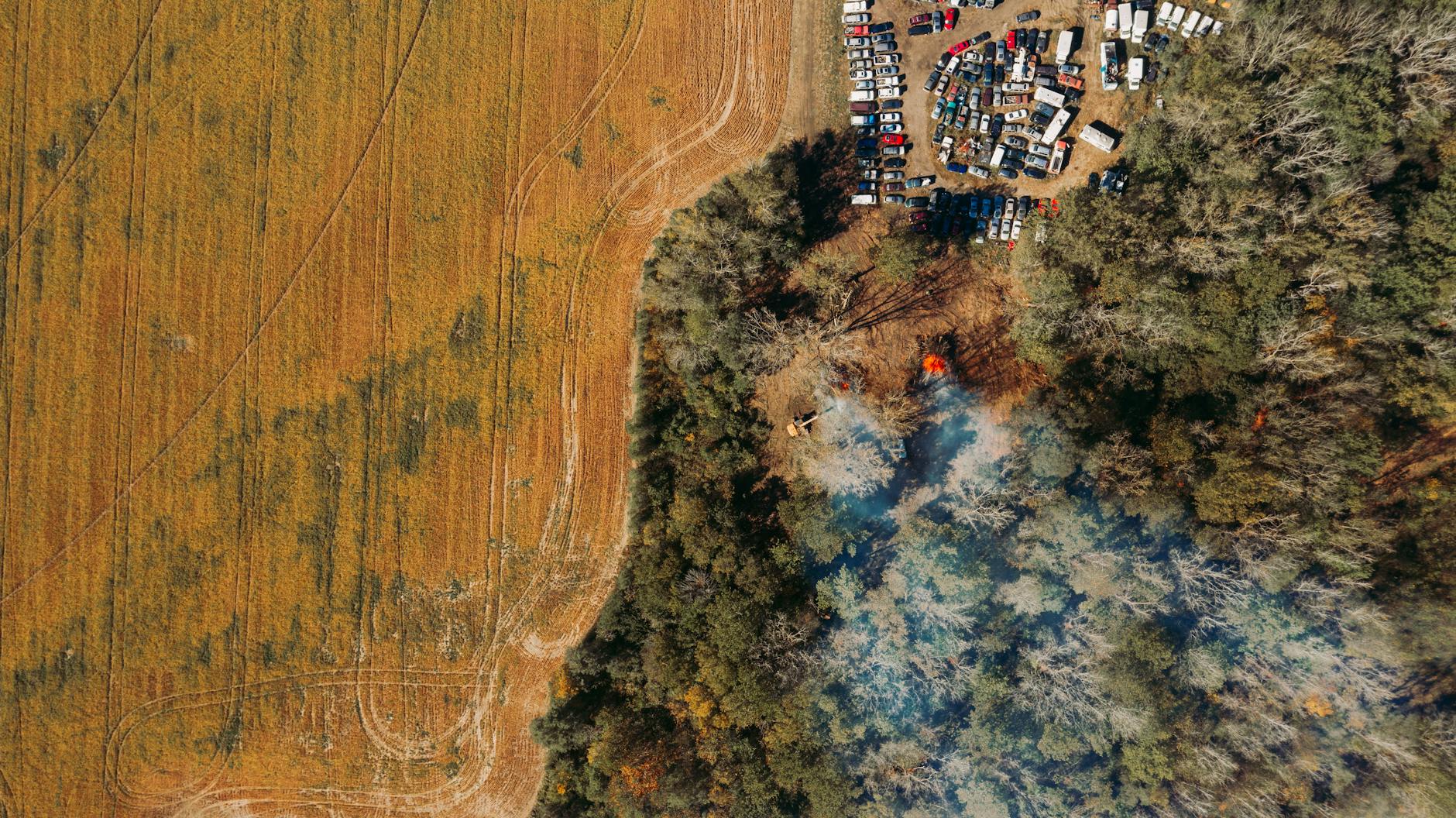
Wildfire urban interface insurance is becoming one of the most critical coverage needs for American homeowners. More than 46 million homes sit in the wildland-urban interface (WUI). These properties carry a combined estimated value of $1.3 trillion. The WUI is where developed neighborhoods meet undeveloped wildland vegetation. Table of Contents
- Understanding the Risk: Wildfire Urban Interface Insurance
- What Standard Homeowners Insurance Covers (and Doesn’t)
- Additional Coverage Options for Wildfire Urban Interface Insurance
- How Much Does Wildfire Urban Interface Insurance Cost?
- How to Reduce Your Risk and Lower Premiums
- Frequently Asked Questions
fema.gov/wui/”>FEMA reports that over 60,000 communities face WUI fire risk nationwide. Standard homeowners insurance often falls short in these zones. Insurers are retreating from high-risk areas entirely. As a result, millions of families face coverage gaps, soaring premiums, or outright policy cancellations. Understanding wildfire urban interface insurance is no longer optional. It is essential for protecting your home and financial future.
Understanding the Risk: Wildfire Urban Interface Insurance
The scope of WUI risk is staggering and growing fast. America’s WUI expands by roughly 2 million acres every year. California alone has more than 1.2 million homes at moderate or greater wildfire risk. Those properties represent over $760 billion in value. Texas and Florida rank second and third for WUI home counts. Montana has the highest percentage of at-risk properties, with 29% of all homes facing high wildfire danger.
Recent disasters prove why wildfire urban interface insurance matters so urgently. In 2024, over eight million acres burned and more than 4,500 structures were destroyed. The January 2025 Eaton and Palisades fires in Los Angeles destroyed over 16,000 structures. The California FAIR Plan reported an estimated $4 billion in losses from those fires alone. California’s fire hazard zone has grown 168% since 2011. Approximately 3.7 million people now live in designated high or very high hazard areas.
However, wildfire risk is not limited to California. Colorado premiums rose 58% between 2018 and 2023 due to wildfire exposure. Oregon, Washington, Arizona, and New Mexico all face growing WUI threats. Climate change is extending fire seasons and intensifying burn severity. For example, fire seasons now last an average of 78 days longer than in the 1970s.
What Standard Homeowners Insurance Covers (and Doesn’t)
Most standard homeowners policies (HO-3) do cover fire damage. This includes dwelling coverage, personal property, and additional living expenses. In most cases, a standard policy will pay to rebuild your home after a wildfire. It also covers temporary housing while repairs are underway. However, the real problem is not what the policy covers. It is whether you can get or keep a policy at all.
Insurers are canceling and non-renewing policies across WUI zones at alarming rates. Major carriers like State Farm and Allstate stopped writing new policies in California. When coverage is available, it often comes with wildfire exclusions or massive deductibles. Underinsurance is another critical gap. Rebuilding costs after a wildfire typically exceed policy limits by 20% to 40%. Many homeowners discover this only after filing a claim.
Wildfire urban interface insurance gaps also extend to landscaping, outbuildings, and debris removal. Standard policies cap these at low limits. Debris removal alone after a wildfire can cost $50,000 to $100,000. As a result, homeowners in WUI zones need to carefully review their existing coverage and plan for supplemental protection.
Additional Coverage Options for Wildfire Urban Interface Insurance
When private insurers deny coverage, state-backed programs become the safety net. These residual market plans are often called “insurers of last resort.” The California FAIR Plan is the largest such program. It provides basic fire insurance for properties that cannot secure coverage elsewhere. However, FAIR Plan policies typically offer less coverage at higher premiums than standard policies. Similar programs exist in other wildfire-prone states.
Specialized wildfire urban interface insurance options are expanding. Private surplus lines carriers now offer wildfire-specific policies. These include higher dwelling limits, extended replacement cost, and guaranteed replacement cost endorsements. Typically, homeowners in WUI zones should also consider umbrella policies for liability protection. Scheduled personal property riders protect high-value items that standard limits would not fully cover.
| Coverage Option | What It Covers | Availability | Typical Cost Impact |
|---|---|---|---|
| California FAIR Plan | Basic fire dwelling coverage | California only | 36% rate increase proposed for 2026 |
| Extended Replacement Cost | 125%-150% of dwelling limit | Most states via endorsement | 10%-15% premium increase |
| Guaranteed Replacement Cost | Full rebuild regardless of limit | Limited availability in WUI | 15%-25% premium increase |
| Surplus Lines Carriers | Full wildfire coverage | All states (non-admitted) | 2x-5x standard premium |
| Difference in Conditions (DIC) | Fills gaps in FAIR Plan policies | California, other FAIR Plan states | $500-$2,000 annually |
How Much Does Wildfire Urban Interface Insurance Cost?
Wildfire urban interface insurance costs vary dramatically by state and risk zone. In California, the average annual homeowners premium reached nearly $3,000 in 2025. However, homes in high-risk fire zones pay $5,000 to $12,000 annually. Some properties in extreme zones have seen quotes jump from $4,500 to $18,000 per year. The California FAIR Plan has filed for a 35.8% average rate increase effective April 2026. Half of affected policyholders could see increases between 40% and 55%.
Other western states face similar cost pressures. Colorado homeowners pay an average of $4,072 annually for $300,000 in coverage. Montana’s average premium reached $2,399 by the end of 2025. In most cases, proximity to a fire station, hydrant access, and vegetation density directly affect pricing. Homes more than five miles from a fire station face the steepest surcharges. Properties surrounded by dense brush or forest canopy pay significantly more.
Wildfire urban interface insurance premiums are also influenced by your home’s construction. Wood-frame homes with wood shake roofs pay the highest rates. Homes built with fire-resistant materials can save 15% to 30%. Your claims history, credit score, and local fire protection rating all factor into final pricing. For example, a Class 1 fire protection rating versus a Class 10 can mean thousands of dollars in annual savings.
How to Reduce Your Risk and Lower Premiums
Home hardening is the most effective way to lower wildfire urban interface insurance costs. The California Department of Insurance requires insurers to offer discounts for wildfire mitigation under its “Safer from Wildfires” regulation. Qualifying measures include creating defensible space, installing ember-resistant vents, upgrading to multi-pane windows, and using Class A fire-rated roofing. The California FAIR Plan offers up to 24.5% off wildfire premiums for home hardening. This breaks down to 10% for structural improvements, 5% for defensible space, and 10% for Firewise community membership.
Community-level action provides additional wildfire urban interface insurance benefits. Joining a Firewise USA community can unlock group discounts from several major insurers. Some carriers offer up to 15% for individual home fortification and 5% for community participation. These discounts can be combined. Typically, communities that collectively maintain defensible space see fewer claims. This makes the entire neighborhood more insurable.
Practical mitigation steps include clearing vegetation 100 feet from your home. Replace wood fencing attached to your house with metal or non-combustible alternatives. Enclose eaves and soffits with fire-resistant materials. Install metal mesh screens over attic and foundation vents. Keep gutters clear of debris year-round. For example, FEMA’s defensible space guide recommends a three-zone approach around every WUI home. These investments protect your property and make wildfire urban interface insurance more accessible and affordable.
Frequently Asked Questions
Is wildfire urban interface insurance the same as standard homeowners insurance?
Not exactly. Standard homeowners insurance covers fire damage in most cases. However, many insurers refuse to write or renew policies in WUI zones. Wildfire urban interface insurance refers to specialized coverage options designed for high-risk properties that standard carriers may not insure.
What happens if no insurance company will cover my WUI home?
Every state with significant wildfire risk offers a residual market program. For example, California has the FAIR Plan. Colorado, Oregon, and Washington have similar programs. These plans provide basic coverage as a last resort. Typically, you will pay higher premiums for less comprehensive protection.
Can wildfire urban interface insurance premiums be reduced through home improvements?
Yes. Home hardening and defensible space improvements can significantly lower premiums. In California, FAIR Plan discounts reach up to 24.5%. As a result, investing in fire-resistant roofing, ember-resistant vents, and vegetation management can save hundreds or thousands of dollars annually.
Compare Home Insurance Rates
Ready to see if you could be paying less for homeowners insurance? Compare quotes from top insurers in your area. Getting multiple quotes is the most effective way to find a better rate.
(paid link)
Official Sources & Resources
For verified information on home insurance regulations and consumer protection:
- NAIC (National Association of Insurance Commissioners): naic.org
- Insurance Information Institute: iii.org
- FEMA (Federal Emergency Management Agency): fema.gov
- FloodSmart (National Flood Insurance Program): floodsmart.gov
- USA.gov — Housing: usa.gov/housing
Content last reviewed April 2026. If you notice any outdated information, please contact us.